Harsimran Julka · · 3 min read
After Grofers, Zomato shuts delivery in India’s small cities
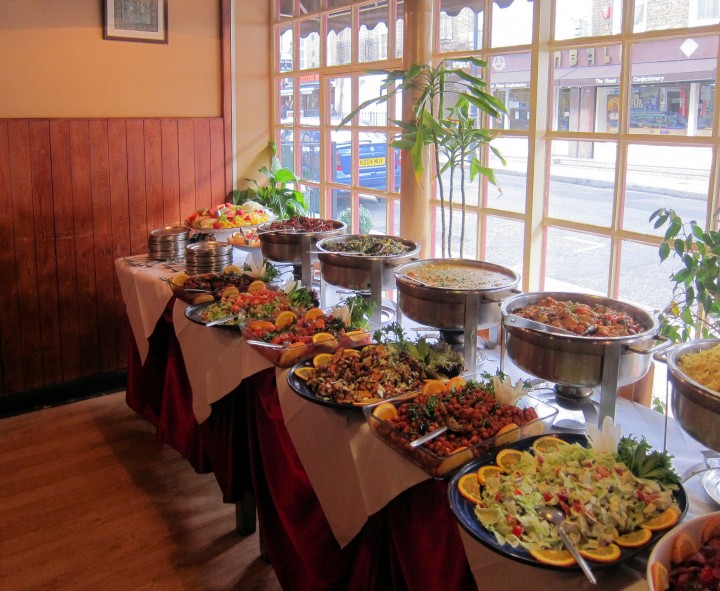
After Grofers and FoodPanda, Zomato too is wrapping up its business in India’s small cities, citing low uptake and unviable market size as prime reasons.
The shutdown of online ordering by startups in small cities indicates a lack of awareness among consumers of hyperlocal e-commerce in these locations. Ironically, India has over 402 million internet users with most of them accessing the web from non-metro cities.
“We are shutting down the food ordering business in Lucknow, Kochi, Indore, and Coimbatore. The size of the market is in these cities is small right now. We will re-launch when the time is right,” said Pankaj Chaddah, co-founder of Zomato, who is leading the online ordering business for the company.
The company added that there will be no layoffs and people would be absorbed in verticals such as ad sales in these cities.
Facebooking doesn’t increase ecommerce
Last month, India’s biggest online food ordering site FoodPanda also laid off about 15 percent of its workforce in an effort to automate and consolidate operations. India’s second biggest online grocer Grofers also announced a closure of operations in smaller cities.
“Many users in small town India use the internet only for Facebook and Whatsapp and can’t be counted as real users,” Bhavin Turakhia, CEO of internet domain reseller Directi, told Tech in Asia recently.
Zomato launched its online food ordering business in April 2015, allowing its users to order food online from restaurants using the Zomato app. Since then it expanded this offering to 14 cities across India.
‘Small cities are not ready’
Despite Zomato’s recent marketing efforts, including television ads, it didn’t see a significant increase in the order volumes in these few cities. These smaller cities are not yet entirely ready for the online food ordering business, but once they are, Zomato will reconsider its strategy, a company statement said.
The combined order volume in these four cities accounted for less than two percent of Zomato’s total order volumes.
“In the meanwhile, we will continue to offer scanned menus (in these cities) to ensure that foodies are able to find great food,” Chaddah assured.
Zomato claims that its online order volume is growing at over 40 percent month-on-month. Less than 5 percent of Zomato’s orders are discounted, making Zomato one of the few tech startups to not use negative gross margins to grow the business. Rivals FoodPanda, Swiggy, Faasos, and Yumist however use cashback and discount to onboard customers.
Zomato has about 75,000 restaurants listed on its platform in India. However, only 12,000 of them have a capability to deliver online orders. The company has partnered with hyperlocal logistics firms such as Grab and Delhivery to offer delivery from restaurants which do not otherwise deliver food.
Trying hard for revenues
Zomato recently introduced an in-app chat support feature, enabling consumers to chat with the team at Zomato for any order-related queries. This feature is currently available to users in India and UAE.
Funded with about US$223 million so far, Zomato has expanded across 23 countries. It has over 1.4 million restaurants listed on its website worldwide.
The company started the online ordering business last year to focus on making revenues, in a market where raising late stage money at high valuations is getting difficult.
However it still gets majority of its revenues from the online ads business. To make money, the company has also expanded its offerings to include online ordering, table reservations, a white label platform, and a point-of-sale system.
Zomato
Zomato is a restaurant search and discovery app providing in-depth information for over 1.4 million restaurants across 23 countries.
- Location
- India
- Founded
- 2008
- Employees
- 1,001 – 5,000
- Website
- www.zomato.com
- Latest Funding
- Post-IPO funding
- Hiring
- 0 positions
Stay updated on the go with our mobile app.
Get latest insights with smoother, more personalized experience through TIA mobile app.
Recommended reads
 Indonesian AI startup goes global
 Forrest Li on scaling Sea, building smarter bots, and founder grit
 An AI assistant that joins sales calls and scores team skills
 Beyond the check: Why VCs need more than capital
 SGX’s CEO says it doesn’t need a unicorn to win
 SMEs want AI too, but not the kind Big Tech is selling
 Oatside’s alt-milk rise hits a profitable gear
 Alibaba’s financial health in 12 charts
 Asia’s telcos bundle AI into mobile plans. Will it pay off?
 M-Daq chases bigger clients as revenue falls, losses grow





Editing by Terence Lee & Malavika Velayanikal
(And yes, we’re serious about ethics and transparency. More information here.)