 Kylee McIntyre · · 4 min read
Customers’ cheatin’ hearts will make you weep: Bukalapak CFO

Photo credit: nicoletaionescu / 123RF Stock Photo.
Each time I move to a different area in Asia, I love trying out different service apps. I get a friend to send me her account code so I get a referral discount, and my weeklong sizzling affair begins. I reap new customer benefits – half off my first order, 25 percent off my second order, and maybe 10 percent cashback on another five purchases – which I’d spend in one blaze of glory.
My app-given perks completely consumed, I delete the company from my smartphone and my life, fall into the arms of one of its attractive competitors, and start the process again. No one can tie me down while I live in commitment-phobic discount bliss.
According to Bukalapak CFO Fajrin Rasyid, startups that can’t keep customers from cheating are playing with deadly fire. Companies need to be strong enough to withstand such disloyal customers – or it’s over.
Defining your awesome
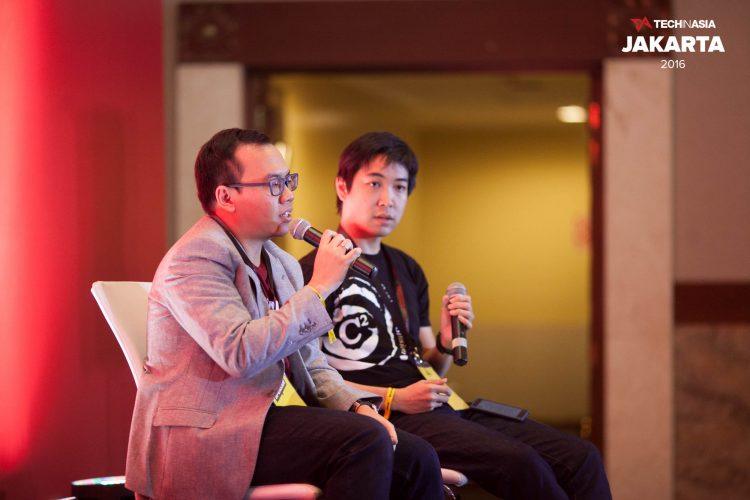
(From left) Fajrin Rasyid and Enricko Lukman advise a full house.
It’s standing room only at the Startup 101 stage at Tech in Asia Jakarta 2016 – and by standing room only, I mean people are spilling out of the session through cracks in the curtains into the hallway behind. I try to slide in to watch Content Collision COO Enricko Lukman pick Fajrin’s brain about which is more important in a startup strategy – growth or profitability. On my third attempt, I barely manage a seat on the fringes.
It’s not about choosing between growth or profitability, Fajrin tells the audience. “You can’t think about one first and then the other.” In a company’s earliest days, the road to achieving and tracking goals can be as easy as comparing how many downloads or customers you can convert into sales, he says.
Companies need to be strong enough to withstand such disloyal customers, or it’s over.
“The product must be awesome,” he stresses. The difference between scaling a company and making a profit off the bat lies in your definition of awesome.
“If 80 percent of your friends are on Facebook, and you’re the remaining 20 percent, you’re likely [going to end up using] Facebook as well,” he explains. It’s all about catalyzing the fear of missing out (FOMO) in others. In contrast, the same appeal wouldn’t exist for a reading app if a person didn’t like to read.
If your idea of awesome hinges on a social popularity factor (or if you’re working in an industry with plenty of competition), then focusing on growth might be your best bet.
See: Emtek financial report has clues on Bukalapak valuation
Reality check
The price of good and bad customers





Stay updated on the go with our mobile app.
Get latest insights with smoother, more personalized experience through TIA mobile app.








📅 Upcoming Events
22 October 2026
Payoneer x CSPN Summit 2026