 Diona Lin · · 5 min read
5 tips on doing good user research for startups
My design folks always ask me if I do user research at Honestbee. Of course, we do! In fact, with a startup’s limited resources, it’s even more important to have user research.
In the Warm Gun 2014 conference, Branden Kowitz gave great points about how startup designers can focus on what really matters:
It is the curiosity of what problems you wanna tackle, the maker spirit of getting your hands dirty, and the iterations that have been validated in front of people as early as possible.
As a product designer, understanding users and learning the most from iterations are the premise of your design. But how do you make user research effective and valuable for startups? Below are some notes that I’ve learned along the way.
Demographics and goals
Ensure you’re seeking the appropriate participants, tools, and means for your study. Use the 5W1H framework—Why do you want to do the research? What do you want to know? Who will be involved in the sessions? Where is the proper place to conduct it? When are the proper deadlines? How do you conduct the research with limited resources? How many sessions will you conduct? This can go on and on.
By understanding all of the above, you’re making sense of the plan, revealing insights, and using clearly defined goals as a guide.
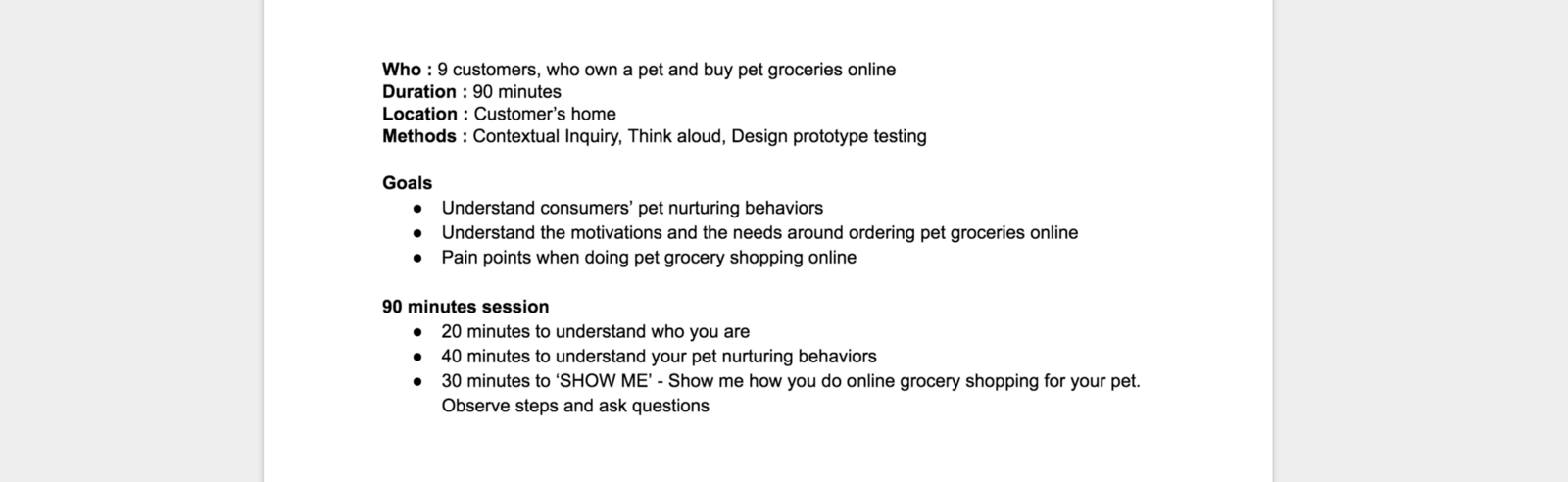
Simple drafts that I would do beforehand.
Be flexible and creative
Having a design background, I’ve been attached to holistic qualitative methodologies and processes for years namely, understanding who your participants are, the contextual inquiry, and observations, which normally would consume a decent amount of resources to achieve.
However, for fast-moving startups, designers need to be flexible and creative with their limited time and resources. That’s how you make your research agile. Here are some interesting stories about how we found ways to conduct research in an agile way.
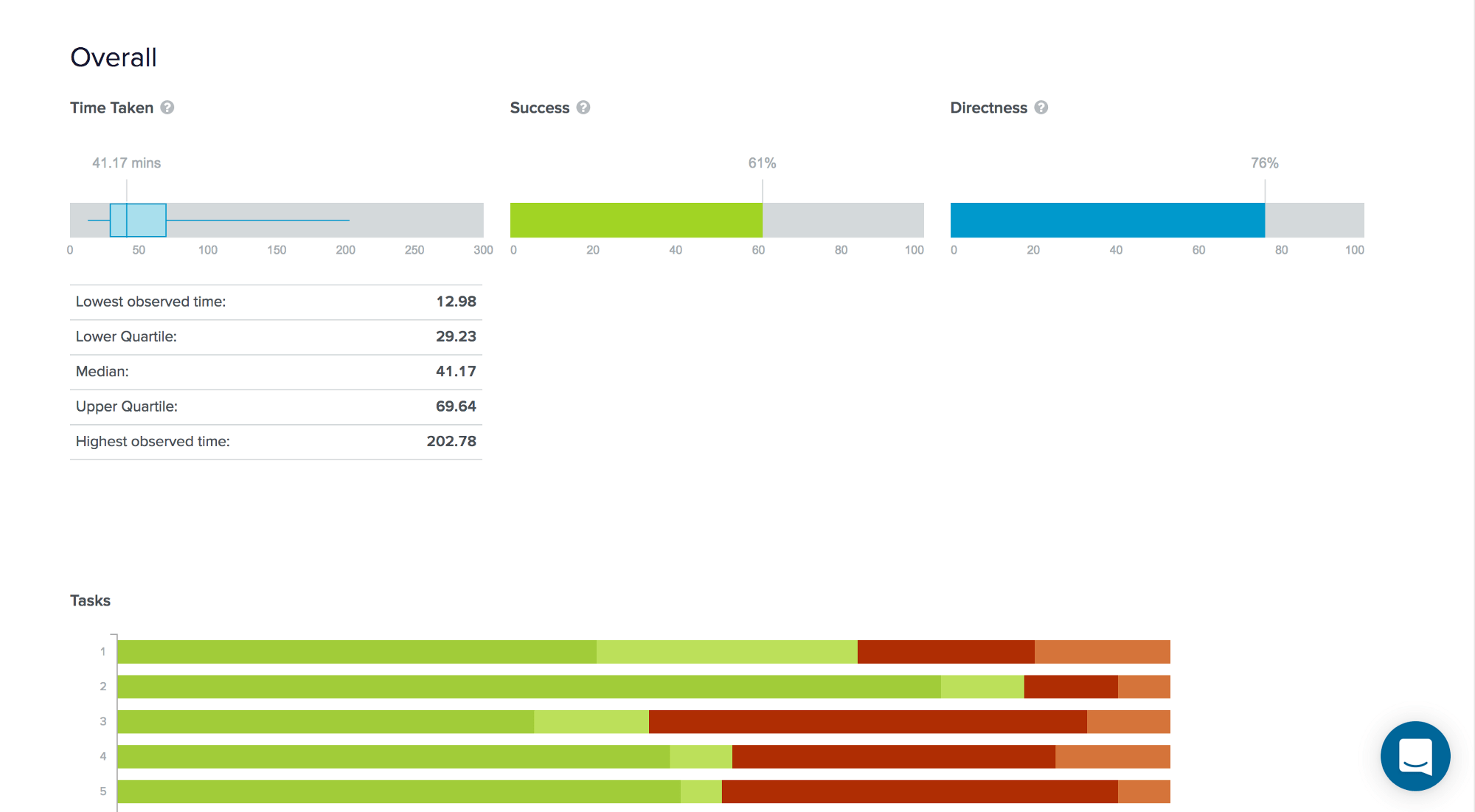
This was a tree-test that required participants from different cultural backgrounds. At first, we were struggling with recruiting the right participants, assuming it would be a costly and time-consuming task. Then, at one point we realized that there are 38 nationalities in our organization, which is the perfect target audience for the tree-test.
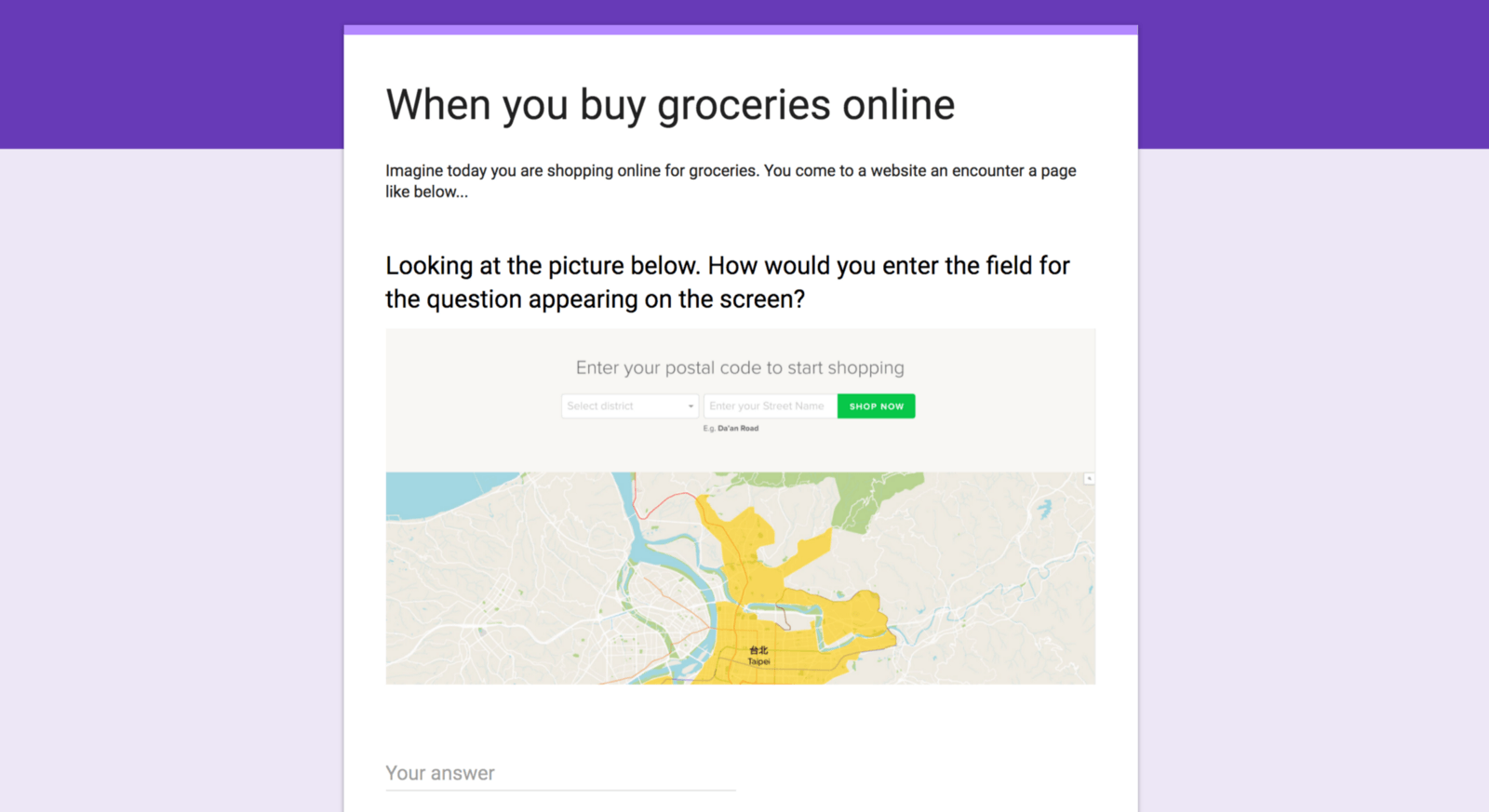
To validate how people would react to the design, instead of spending several days making a working prototype, we sent out a survey that took us only 10 minutes to produce and mimic almost 90 percent of a user test.
Make proper fidelity prototypes
Invite relevant co-workers to the sessions
Outcomes made easy and insightful





Stay updated on the go with our mobile app.
Get latest insights with smoother, more personalized experience through TIA mobile app.










📅 Upcoming Events
22 October 2026
Payoneer x CSPN Summit 2026