Daniel Tay · · 5 min read
No employees, no office, and a handful of cash: how a Burmese entrepreneur’s dream came true
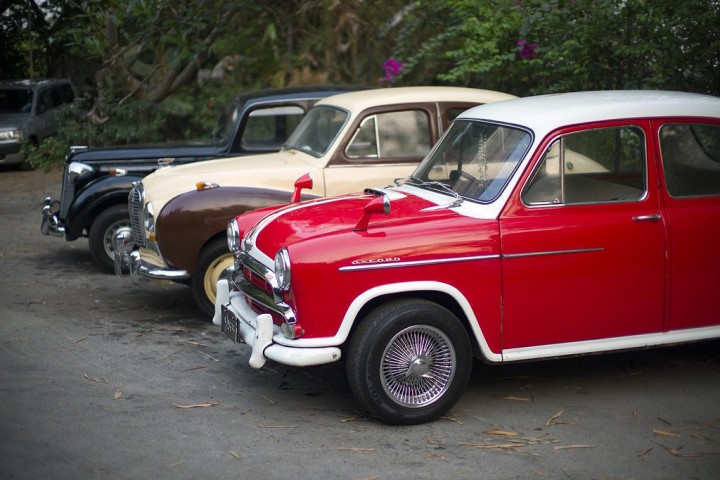
For a country where living standards scrape the bottom of the barrel, it’s hard to imagine that car prices in Myanmar were sky high a decade ago. Thanks to import restrictions imposed by the previous military regime in the early 2000s, a second-hand Toyota van used to cost about K100 million (US$97,000) in Myanmar. According to Myanmar Times, the same vehicle could be bought in Thailand for just K4 million (US$3,800).
Then in late 2011, a new government swept in with a series of policy changes. Director of Farmer Auto Showroom Soe Tun tells Irrawaddy in a recent interview that car import policies have changed about ten times since. Today, the same van might cost around K13.5 million (US$13,000). Suddenly, the Burmese have a fighting chance to own the cars of their dreams.
Wai Yan Lin, CEO and founder of online classifieds portal builder Rebbiz, witnessed this first hand when he visited his hometown in Myanmar in late 2011. At that time, he was still working in Singapore, and had spent most of his life there. During his time in Yangon, he saw many major changes in the automobile industry that convinced him that it would grow exponentially in the coming years:
Although the internet penetration in the country was very low at that time, I saw people using the internet to search for their desired cars from international car auction websites. While more cars were being imported into the country, people were still having difficulties in buying or selling. Being a person who is working in the tech industry, I saw this as an opportunity, and believed that I could solve the problem they are facing.
Excited by this prospect, Wai pulled together two other friends upon touching down in Singapore, and got down to work creating an online platform which connects car buyers and sellers in Myanmar. A few weeks later, MyanmarCarsDB was launched out of the small apartment in Singapore. Wai still remembers the exact date: January 4, 2012.
First mover problems
Being the pioneer in this industry, Wai and his team naturally ran into a handful of problems right off the bat. The first hurdle was figuring out how to get the initial listings. “We started calling our friends and relatives back in Myanmar to ask whether they had any cars for sale,” Wai recalls. “After a few days of trying to get the content, we managed to collect a few car listings for our site to launch officially.”
Then came the issue of money. Given that a startup ecosystem was practically non-existent in Myanmar at that point of time, it was all but impossible to expect any interested investors. The trio decided to pool their money to tide themselves over the early period.
“We started everything bootstrapped – no employees, no office in Myanmar, and a very limited marketing budget that came out of our own pockets,” Wai says.
During this time, he flew back and forth between Myanmar and Singapore several times to meet with people in the automobile industry to promote and explain their product and services.
“Our team kept on trying and educating car buyers and sellers on how to use our products, how easy it is, and how efficient it is for their buy and sell processes,” he says. “But some meetings didn’t turn out well as the idea is new for a country like Myanmar, and not many people believed or understood what we were doing.”
According to Wai, even his own parents didn’t think the business would survive in the early days.





Stay updated on the go with our mobile app.
Get latest insights with smoother, more personalized experience through TIA mobile app.