- Premium Content It takes our newsroom weeks - if not months - to investigate and produce stories for our premium content. You can’t find them anywhere else.
 Joe Gan · · 5 min read
Why are alternative protein startups like Impossible Foods scaling to China?
With Covid-19 plunging all aspects of decision-making and business planning into darkness, the last thing startups would have on their minds is expansion – let alone into China.
But that’s exactly what Impossible Foods is doing. The company, which produces plant-based substitutes for meat and dairy products, says it’s scaling into mainland China soon.
The country’s plant-based protein market has grown 33.5% since 2014 to US$9.7 billion in 2018, and that figure is expected to rise to US$11.9 billion by 2023, according to Euromonitor.
“Our Asia markets are currently Singapore, Hong Kong, and Macau, and mainland China is definitely a market that we are keen on,” Impossible Foods senior vice president Nick Halla tells Tech in Asia. Demand for alternative protein products in the company’s current markets has jumped sixfold in 2019, he says, adding that there was an “overwhelmingly positive response” to its first exhibit in Shanghai last November.

Photo credit: Impossible Food
Halla’s comments come after Impossible Foods closed a US$500 million series F round in March, bringing the firm’s funding to date to around US$1.3 billion. The company, along with fellow alternative protein producer Beyond Meat, has been credited with catapulting this category of food tech into the spotlight.
Another startup in the space is Malaysia-based Phuture Foods. The firm, which has developed a plant-based pork substitute, is also going ahead with plans to launch its product with The 1925 Brewing Co., a Singaporean brewery, in the city-state on April 8. This, even though Singapore has imposed stricter restrictions on gatherings in F&B establishments.
“Our partner restaurants are telling us it’s still a good time to launch,” explains its chief operating officer Jin Yin Lim. “Our logistics and manpower were all affected by Covid-19. Besides that, we’re still doing fine.”
Lim says that the company will be planning to raise a series A round in the later half of this year to fund its “aggressive growth plans,” which includes breaking into China and Thailand by the end of 2020. Phuture Foods will also explore tie-ups with partners in other industries, such as the hospitality sector, while also expanding its product lines to include dumplings and ready-to-eat meals.
But why now?
It seems that the pandemic has given a nudge for alternative protein (or alt-protein) startups to enter the Chinese consumer market. Even before the outbreak, demand for mock meat had been on an upward trajectory, leading to some analysts calling it the next hip trend in the country. The impact is also seen in the US, where plant-based meat sales skyrocketed by 280% amid the crisis.
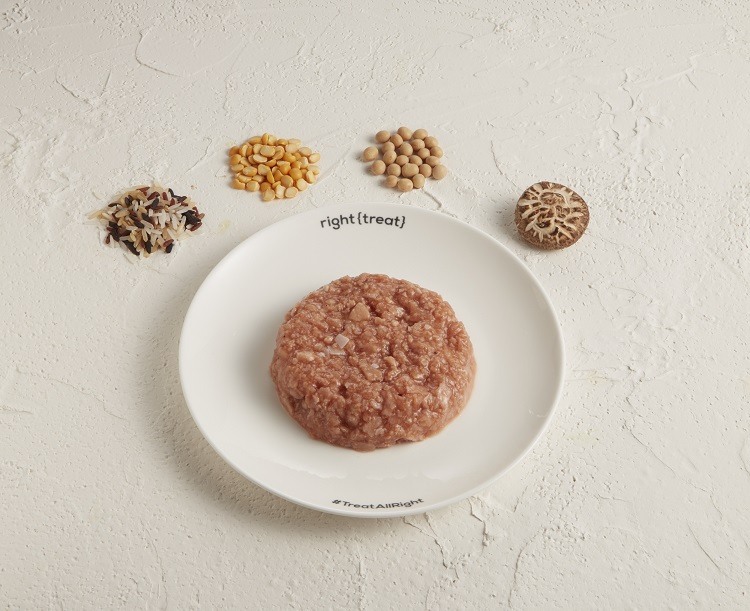
Omnipork is made from various sources of plant-based protein. Photo credit: Green Monday
Hong Kong-based Green Monday is one startup that has seen “massive” growth in its retail markets in Greater China. Its CEO, David Yeung, tells Tech in Asia that sales of its plant-based meat products jumped 77%, as compared to figures before the outbreak. Online sales for the firm also went up by 57.3%.
While Yeung says its sales to F&B outlets have taken a hit, he believes this is a short-term issue.
Existing problems
Eating alternative: Better in the long term?
Stay ahead in Asia’s tech landscape
This is premium content. Subscribe to read the full story.
While most pivot their businesses amid the pandemic, alternative protein startups are setting their sights on the world’s most populous country.
We know this is not ideal. ⌛ Sign up in 20 seconds. Cancel anytime.
Our subscriber community includes professionals from these companies:





Stay updated on the go with our mobile app.
Get latest insights with smoother, more personalized experience through TIA mobile app.