- Premium Content It takes our newsroom weeks - if not months - to investigate and produce stories for our premium content. You can’t find them anywhere else.
 Apoorva Dutt · · 5 min read
What is Elon Musk like as a manager?
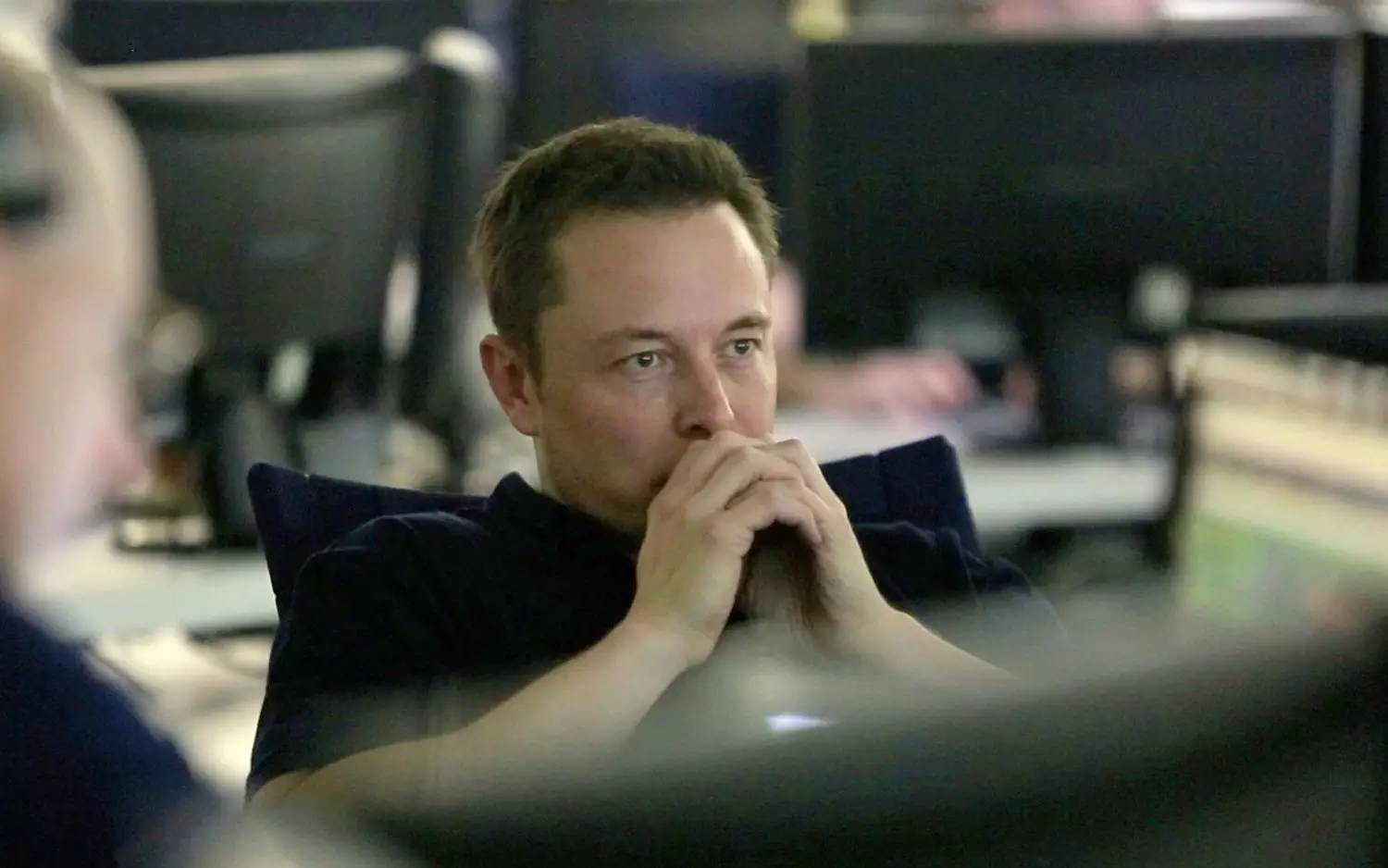
Image credit: Automobile.
The following is an edited excerpt from Elon Musk: Tesla, SpaceX, and the Quest for a Fantastic Future by Ashlee Vance. The excerpt was provided by Ecco Publishing. You can buy a copy of the book here.
Rank-and-file employees tend to describe Musk in mixed ways. They revere his drive and respect how demanding he can be. They also think he can be hard to the point of mean and come off as capricious. The employees want to be close to Musk, but they also fear that he’ll suddenly change his mind about something and that every interaction with him is an opportunity to be fired.
“Elon’s worst trait by far, in my opinion, is a complete lack of loyalty or human connection,” said one former employee. “Many of us worked tirelessly for him for years and were tossed to the curb like a piece of litter without a second thought. Maybe it was calculated to keep the rest of the workforce on their toes and scared; maybe he was just able to detach from human connection to a remarkable degree. What was clear is that people who worked for him were like ammunition: used for a specific purpose until exhausted and discarded.”
The communications departments of SpaceX and Tesla have witnessed the latter forms of behavior more than any other group of employees. Musk has burned through public relations staffers with comical efficiency. He tends to take on a lot of the communications work himself, writing news releases and contacting the press as he sees fit.
Quite often, Musk does not let his communications staff in on his agenda. Ahead of the Hyperloop announcement, for example, his representatives were sending me e-mails to find out the time and date for the press conference. On other occasions, reporters have received an alert about a teleconference with Musk just minutes before it started.
This was not a function of the PR people being incompetent in getting word of the event out. The truth was that Musk had only let them know about his plans a couple of minutes in advance, and they were scrambling to catch up to his whims. When Musk does delegate work to the communications staff, they’re expected to jump in without missing a beat and to execute at the highest level. Some of this staff, operating under this mix of pressure and surprise, only lasted between a few weeks and a few months. A few others have hung on for a couple of years before burning out or being fired.
The granddaddy example of Musk’s seemingly callous interoffice style occurred in early 2014, when he fired Mary Beth Brown. To describe her as a loyal executive assistant would be grossly inadequate. Brown often felt like an extension of Musk – the one being who crossed over into all of his worlds. For more than a decade, she gave up her life for Musk, traipsing back and forth between Los Angeles and Silicon Valley every week, while working late into the night and on weekends.
Brown went to Musk and asked that she be compensated on par with SpaceX’s top executives, since she was handling so much of Musk’s scheduling across two companies, doing public relations work and often making business decisions. Musk replied that Brown should take a couple of weeks off, and he would take on her duties and gauge how hard they were.
When Brown returned, Musk let her know that he didn’t need her anymore, and he asked Shotwell’s assistant to begin scheduling his meetings. Brown, still loyal and hurt, didn’t want to discuss any of this with me. Musk said that she had become too comfortable speaking on his behalf and that, frankly, she needed a life. Other people grumbled that Brown and Riley clashed and that this was the root cause of Brown’s ouster.* (Brown declined to be interviewed for this book, despite several requests.)
Whatever the case, the optics of the situation were terrible. Tony Stark doesn’t fire Pepper Potts. He adores her and takes care of her for life. She’s the only person he can really trust – the one who has been there through everything. That Musk was willing to let Brown go and in such an unceremonious fashion struck people inside SpaceX and Tesla as scandalous and as the ultimate confirmation of his cruel stoicism.
The tale of Brown’s departure became part of the lore around Musk’s lack of empathy. It got bundled up into the stories of Musk dressing employees down in legendary fashion with vicious barb after vicious barb. People also linked this type of behavior to Musk’s other quirky traits.
He’s been known to obsess over typos in emails to the point that he could not see past the errors and read the actual content of the messages. Even in social settings, Musk might get up from the dinner table without a word of explanation to head outside and look at the stars, simply because he’s not willing to suffer fools or small talk.
The perceived lack of emotion is a symptom of Musk sometimes feeling like he’s the only one who really grasps the urgency of his mission. He’s less sensitive and less tolerant than other people because the stakes are so high. Employees need to help solve the problems to the absolute best of their ability or they need to get out of the way. Musk has been pretty up front about these tendencies. He’s implored people to understand that he’s not chasing momentary opportunities in the business world. He’s trying to solve problems that have been consuming him for decades.
Stay ahead in Asia’s tech landscape
This is premium content. Subscribe to read the full story.
Employees want to be close to Musk, but also fear that very interaction with him is an opportunity to be fired.
We know this is not ideal. ⌛ Sign up in 20 seconds. Cancel anytime.
Our subscriber community includes professionals from these companies:





Stay updated on the go with our mobile app.
Get latest insights with smoother, more personalized experience through TIA mobile app.










📅 Upcoming Events
22 October 2026
Payoneer x CSPN Summit 2026