
It’s a regular day in Hanoi. A lady clad in designer pieces from head to toe steps out onto the street. She slings a Chanel bag over her shoulder, and its chain strap clinks against her Gucci belt. She puts her Dior sunglasses away, dons her helmet, and climbs on her Vespa scooter, kicking off with her Nike shoes.
Pretty impressive? Take a closer look, and maybe you’ll realize something else: These could all just be replicas.
In 2018, counterfeiting cost the world economy US$323 billion. And in a place like Vietnam, where everyday items like electronics, clothes, and even health products could turn out to be bogus, the impact is in the billions.
This calls into question consumer safety. At home, faulty electronics could explode. In factories and on the road, fake parts could become damaged more quickly, resulting in potentially dangerous malfunctions.
Vietnam’s geographical proximity to China, the world’s largest counterfeit hub, means that such goods can be smuggled into its warehouses, repackaged as legitimate products, and then shipped to international markets. The country is also a major transit hub to the rest of Southeast Asia by land, air, and sea.

Photo credit: huythoai / 123RF
A counterfeiting culture
A lack of systematic enforcement and low penalties have exacerbated Vietnam’s counterfeit culture.
Businesses often shy away from reporting counterfeiting cases to authorities, believing that doing so would reduce consumer trust in their brand and lessen sales.
Vietnamese consumers themselves are price-sensitive and indifferent to authenticity, so it’s unlikely they would report fakes either.
But this reluctance isn’t the only concern about this illegal practice.
Shady businesses often operate online or have false addresses, making it more difficult for local authorities to track them down. And the rise of ecommerce marketplaces, which offer counterfeiters such low barriers to entry, pose another challenge for regulators.
In order to address the proliferation of sham goods, these parties need to work together.
How Sendo detects counterfeits
“Technology is a solution for this issue,” says Nguyen Phuong Hoang, CTO and co-founder of Vietnam-based ecommerce firm Sendo.
The company has developed a comprehensive system to weed out fraudsters at scale and has formed a team dedicated to this effort. These anti-counterfeit specialists and AI and data science experts help recognize new cheating formats and enforce policies.
For instance, retailers on SenMall, Sendo’s marketplace for branded products, have to pass a stringent screening process for their business license and certificates of product origin and distribution. This allows the company to establish a business’s legitimacy and the source of its goods.
“Our system automatically scans and checks the information, then alerts us in the case of any unclear product origins,” says Nguyen.
Artificial intelligence is essential to the firm’s anti-counterfeiting process.
The Sendo marketplace has millions of active products listed by hundreds of thousands of merchants. Bad-faith sellers attempt to bypass the monitoring process by using product photos with small logos from different angles and a host of keyword variants in product descriptions. Monitoring the entire system manually is virtually impossible.
“We have developed a holistic counterfeit monitoring system based on state-of-the-art techniques in natural language processing and computer vision,” explains Nguyen. The system is capable of automatically recognizing product images that contain banned brand logos as well as analyzing and detecting possible variants of prohibited keywords in product descriptions.
Sendo’s AI models are robust, having been trained on “hundreds of thousands” of product images and descriptive texts on its marketplace, notes Nguyen.
For instance, the machine can detect the minor differences between the different spellings of popular Japanese personal care brand Shiseido – such as “Shiseidoo,” “Shiiseido,” or “Shi sei do” – in multiple contexts.
A team of experts also conducts continuous control over categories that are at higher risk of fraud. These specialists possess experience and knowledge about the authentic goods being sold and regularly check product features, appearances, and prices.
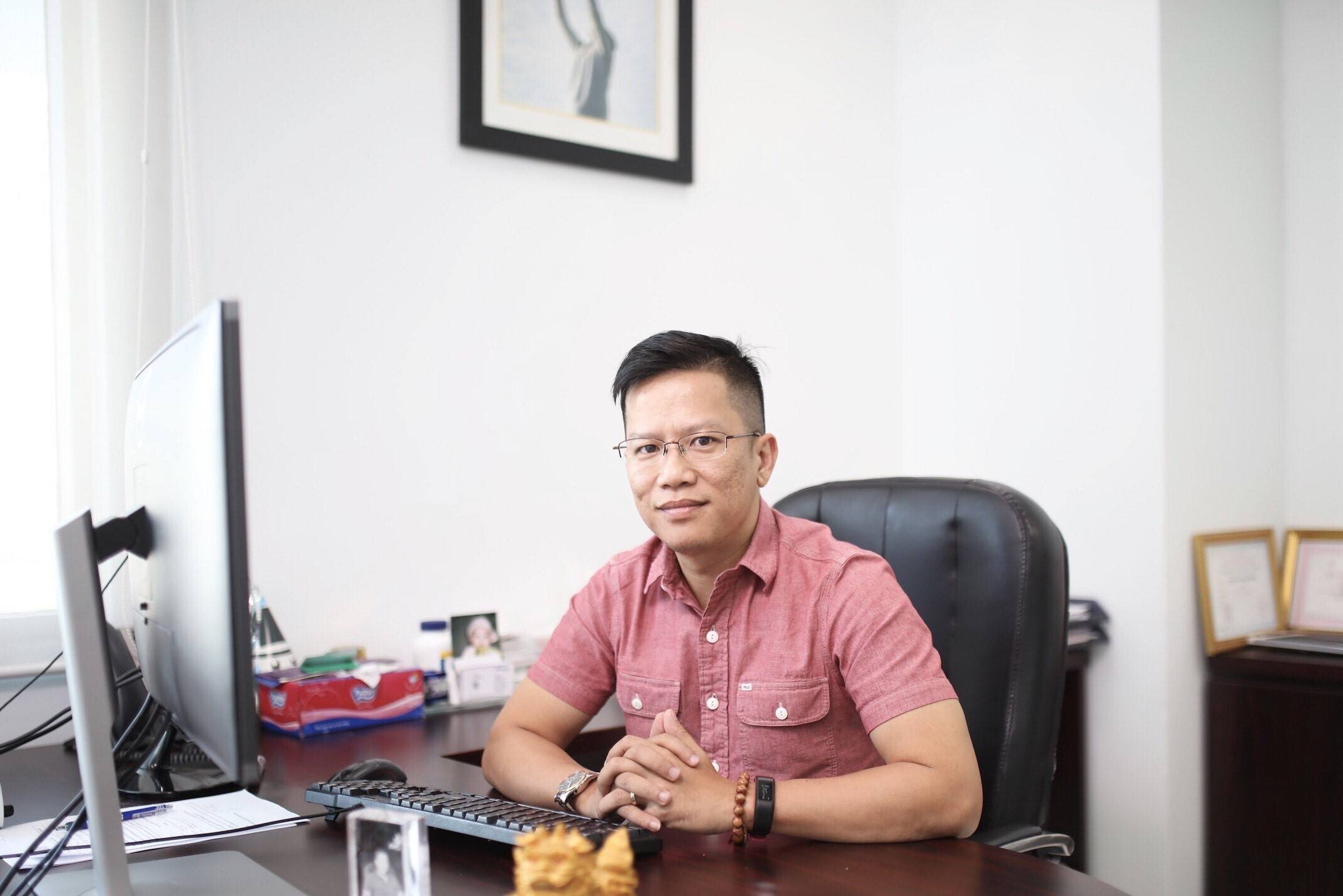
Sendo CTO and co-founder Nguyen Phuong Hoang / Photo credit: Sendo
Man and machine join forces
Sendo’s proprietary technology and operations has helped purge counterfeit items and encourage positive growth.
In 2019, the firm says it prevented thousands of trade fraud and intellectual property violations on its platform. As Nguyen points out, “90% of counterfeit items have been detected and prevented by our engines.”
In recognition of its efforts, the company was the only local Vietnamese ecommerce representative to receive the International Anti-Counterfeiting Association certificate for its contribution to brand protection and seller support as well as cooperation with retailers.
Sendo is currently educating Vietnamese consumers through its work with the country’s Ministry of Industry and Trade in the entity’s anti-counterfeiting campaign.
Further developments
Moving forward, Sendo will continue to invest in research and development to stay one step ahead of counterfeiters’ evolving tactics.
On top of improving the existing recognition and detection system, the firm’s AI research team is looking into the early detection of bad sellers, relying on big data to collect seller data and assess their past and current activities.
As the Vietnamese ecommerce market evolves, higher-quality products are more available online and customer needs have become more sophisticated. Manufacturers, distributors, and certified sellers of branded goods are now more willing to sell online as well.
Being a pioneer in the Vietnamese ecommerce scene has positioned Sendo as a potential future unicorn. To fulfil that potential, the company constantly strives to assure users of product authenticity and quality.
Sendo is poised to capture growth sustainably, feeding authentic sellers with revenue while weeding out damaging counterfeiters.
Find out more about Sendo on its website.
Stay updated on the go with our mobile app.
Get latest insights with smoother, more personalized experience through TIA mobile app.
Recommended reads
 Indonesian AI startup goes global
 Forrest Li on scaling Sea, building smarter bots, and founder grit
 An AI assistant that joins sales calls and scores team skills
 Beyond the check: Why VCs need more than capital
 SGX’s CEO says it doesn’t need a unicorn to win
 SMEs want AI too, but not the kind Big Tech is selling
 Oatside’s alt-milk rise hits a profitable gear
 Alibaba’s financial health in 12 charts
 Asia’s telcos bundle AI into mobile plans. Will it pay off?
 M-Daq chases bigger clients as revenue falls, losses grow





Editing by Winston Zhang, Jaclyn Teng, and Eileen C. Ang
(And yes, we’re serious about ethics and transparency. More information here.)