Glasswall, the Tech in Asia product that lets startup founders review VCs anonymously, has stirred heated debate in the community.
It’s also led to much internal discussion on various issues including content. We’ve asked ourselves: To what extent do we moderate content, and how should we go about it?
Our answer (for now, at least) is that there’ll be no moderation, except in a few extreme cases. Instead, we’re taking a community-led approach to drive high-quality reviews.
I know some of our VC friends might balk at this, but hear me out.
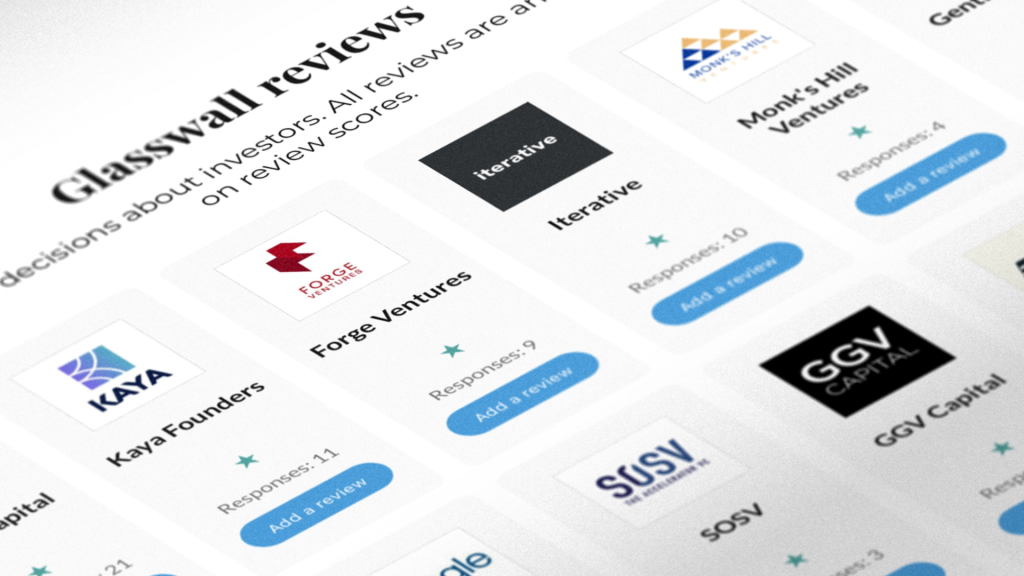
Firstly, we want to point out that Glasswall is not journalism. Instead, it is a forum and a platform, so it should be treated as such.
Tech in Asia, after all, hasn’t been doing just journalism. We also provide a jobs, events, and database platform for Asia’s tech community. Glasswall simply extends our database feature.
Secondly, Glasswall is a product built mainly for founders, and very few of them want reviews to be moderated.
As one of them said: “I wouldn’t moderate, really. I feel like it reflects the current state of the ecosystem. I see that some funds are reacting internally because of Glasswall. The point is that Glasswall makes the VCs more conscious, and hopefully that leads to growth and improvement.”
And lastly, aggressive moderation opens a can of worms. Seemingly arbitrary rules would have to be enforced, and they end up pleasing no one.
Yes, the Tech in Asia team is aware that a poorly maintained garden could be overrun by weeds. Also, I’m reminded of a community library for kids in my neighborhood that eventually turned into a dumping ground for trash.
Trash, of course, warrants immediate removal. For Glasswall, that includes reviews that are racist and sexist or comments that encourage violence. But few remarks fall into this category.
In most cases, we’ll adopt a more subtle approach to drive desired behavior.
As a start, we’ve published a set of guidelines that details what makes a review of high quality or low quality.
We’re also in the process of upgrading Glasswall. Here’s what you can expect in the coming weeks:
- We’ll encourage reviewers to register an account, but we won’t mandate it. Reviews from registered users will be labeled as such.
- Reviews that are highly likely to be fake will also be marked accordingly.
- We’ll add a “report” button so users can flag harmful or false reviews.
We won’t stop there, of course, and we’re studying other platforms like Glassdoor and Reddit for ideas.
Ultimately, though, we’re not bound to any philosophy.
We’ll make tweaks as needed to follow our north star: That Glasswall remains a useful product for founders. Everything else is secondary.
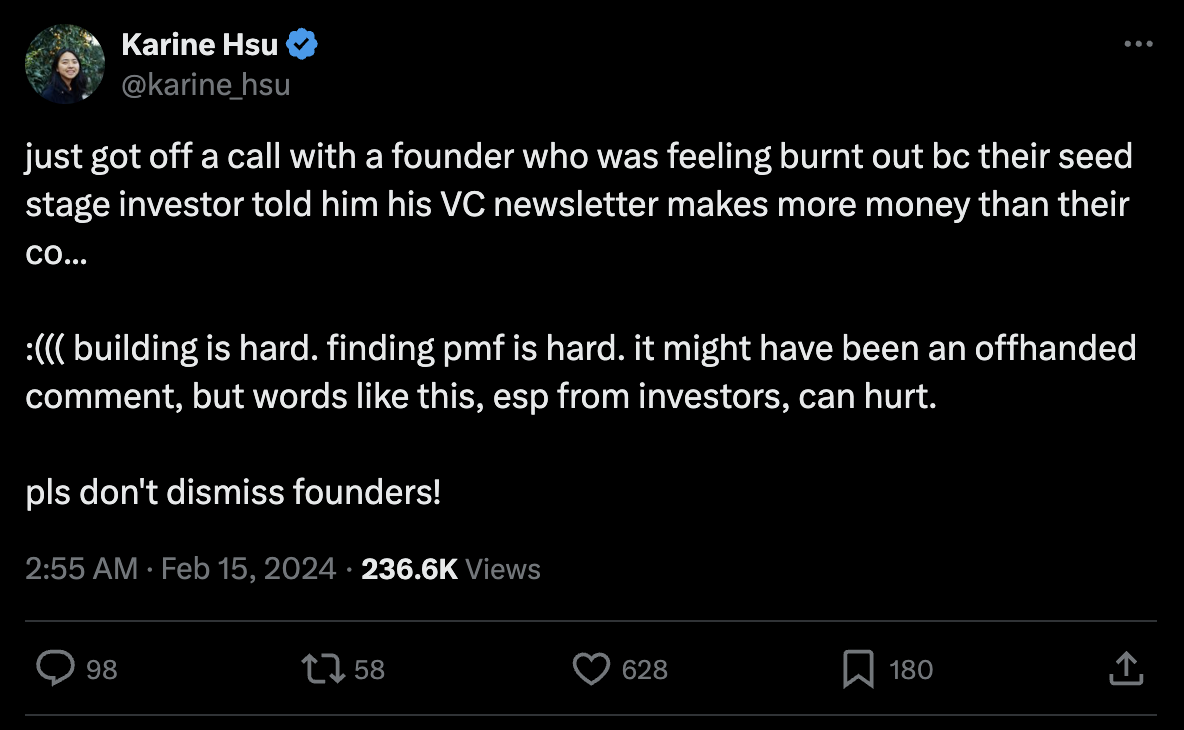
Here’s a tweet that I came across recently. It’s a reminder of why Glasswall was created.
Stay updated on the go with our mobile app.
Get latest insights with smoother, more personalized experience through TIA mobile app.
Recommended reads
 20 largest exits in Japan
 Who’s investing in India’s AI startups?
 60/40 Podcast: Unpacking Chocolate Finance, Manus AI, and more
 60/40 Podcast: Amrish Rau on steering Pine Labs to its IPO
 Who’s investing in India’s health startups?
 60/40 Podcast: No such thing as a free lunch (or chocolate)
 50 rising startups in Malaysia
 Crabs in a tub: Are Southeast Asia’s startups in a doom loop?
 25 rising startups in Thailand
 Meet the 25 top-funded startups and tech companies in Malaysia









📅 Upcoming Events
22 October 2026
Payoneer x CSPN Summit 2026