 Steven Millward · · 6 min read
Why a Chinese AI unicorn turned to Singapore
China’s AI unicorn Yitu raised eyebrows when its image recognition technology was seen tracking down a burglar on busy Chinese streets in a matter of minutes.
Called Dragonfly Eye, the startup’s security AI is “widely applied to public security systems in many provinces in China,” according to its website. The technology is used in crowded areas such as “residential districts, commercial zones, railway stations, subway stations, bus hubs, airports, customs, and entrances and exits of shopping malls.”
Alongside face-tracking security technologies, Yitu builds AI products related to healthcare, smart cities, and hardware.
When Yitu wanted to push forward its AI tech by opening a huge research lab, it set its sights overseas and zeroed in on Singapore.
“Singapore has a very good talent pool. It has the best universities and research institutes in Asia,” says the lab’s R&D director Zhang Zhenjie, who was born in Yitu’s home city, Shanghai. He also cites how the government and companies in the city-state “are very open to new technologies, especially artificial intelligence,” so they’re willing to try something new “to enhance their efficiency and productivity.”
Singapore slingshot
Yitu also has a Singapore office for overseas business expansion, which opened alongside the research lab in early 2018, but Zhang is very much focused on the geeky side of things.
The Singapore base now has 30 staffers, mainly made up of AI algorithm researchers, system researchers, hardware experts, and engineers.
The seven-year-old firm – valued at US$3 billion after raising US$355 million from investors – has 400 R&D staffers in its Shanghai headquarters, to say nothing of other facilities scattered across China. Plus there’s a small crew in Silicon Valley.
Zhang describes one of his most important duties as bridging the AI teams across Singapore and China.
“[I] make sure the R&D outcomes from the Singapore R&D center will be deeply integrated into… Shanghai’s research agenda, and also the products,” he tells Tech in Asia.
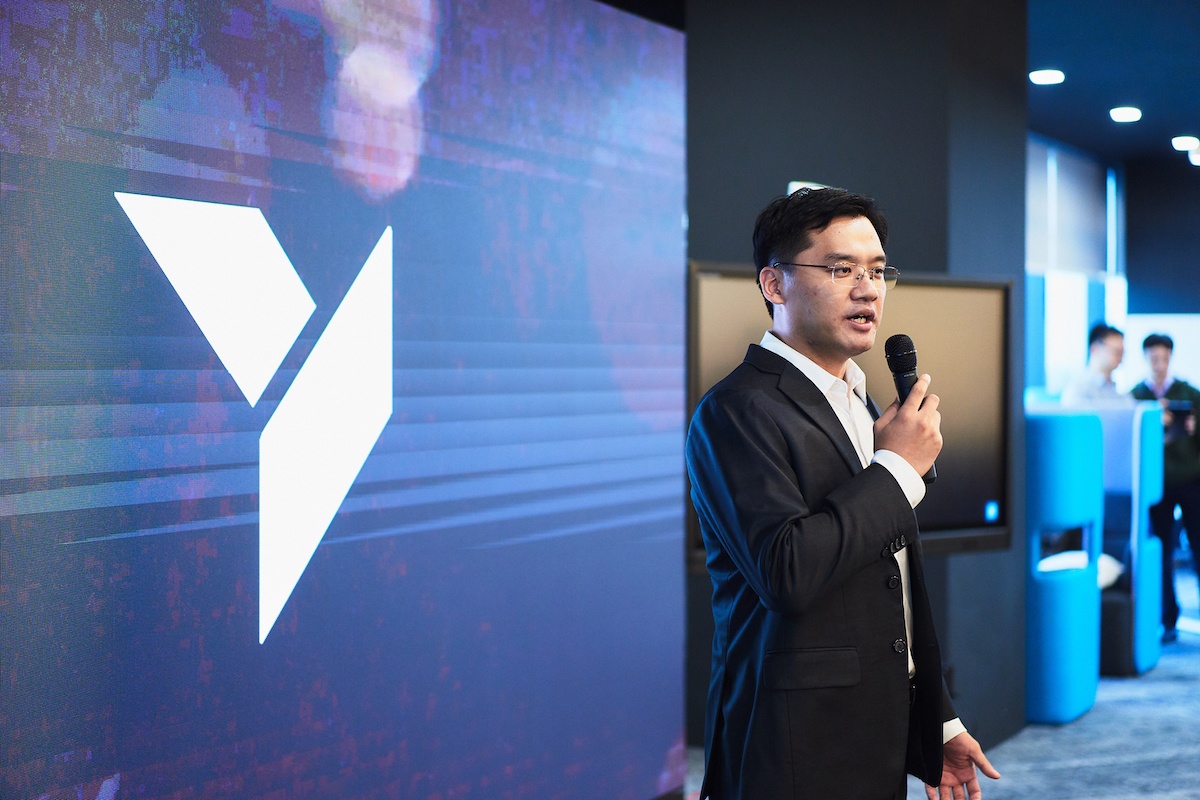
Zhang Zhenjie / Photo credit: Yitu
He’s also building the team as it expands to an anticipated 70 members by the end of 2019.
The R&D director says his Singapore crew has three missions:
- Support “product globalization,” which includes customizations for new markets
- Use the talents of the local team to develop new AI tech for Yitu that it can turn into products in the year ahead
- Find “new use cases” for AI technologies
Out of academia
AI’s impact
Getting talkative
Hack it





Stay updated on the go with our mobile app.
Get latest insights with smoother, more personalized experience through TIA mobile app.










📅 Upcoming Events
22 October 2026
Payoneer x CSPN Summit 2026