Disclosure: This story resulted from a trip paid for by CES.

At CES 2016, Ford CEO Mark Fields proclaimed that Ford is not just an automotive company: it is a mobility firm. While the auto industry is huge, Ford is now going after the even bigger global transportation industry, which it says weighs in at US$5.4 trillion in revenue.
Mark had a firm grasp on where the industry is headed, and it isn’t a pretty picture. Car ownership could see a long-term reversal that even the rising middle class in Asia can’t stop. Networked transportation companies like Uber will become better, stronger, and supercharged even more by the rise of autonomous vehicles.
Driving and car ownership will become the horseriding of tomorrow, a hobby and not a necessity. Car companies are in trouble if they don’t adapt to these trends.
Millennials don’t want to own stuff
Let’s start with the genesis of the car industry’s decline: the fact that millennials – defined as the generation born between 1983 and 2000 – no longer value owning stuff as much. A Washington Post writer suggested three interlocking reasons: economic, technological, and cultural.
Economic: Millennials in the US saw the housing and job markets evaporate. Their ability to spend diminished, along with it their desire to own cars.
Technological: Uber has become a viable alternative to car ownership, and its services are getting better. A Wired writer in Los Angeles dumped his car for a period, traveling around using Uber and taxis. It worked better than he hoped.
Cultural: Millennials value paying for experiences rather than owning things. Spotify introduced the subscription model to the music industry, and Netflix did the same for television and movies. Why own a piece of content when a subscription gives me access to a whole library?
Most Asians won’t own cars
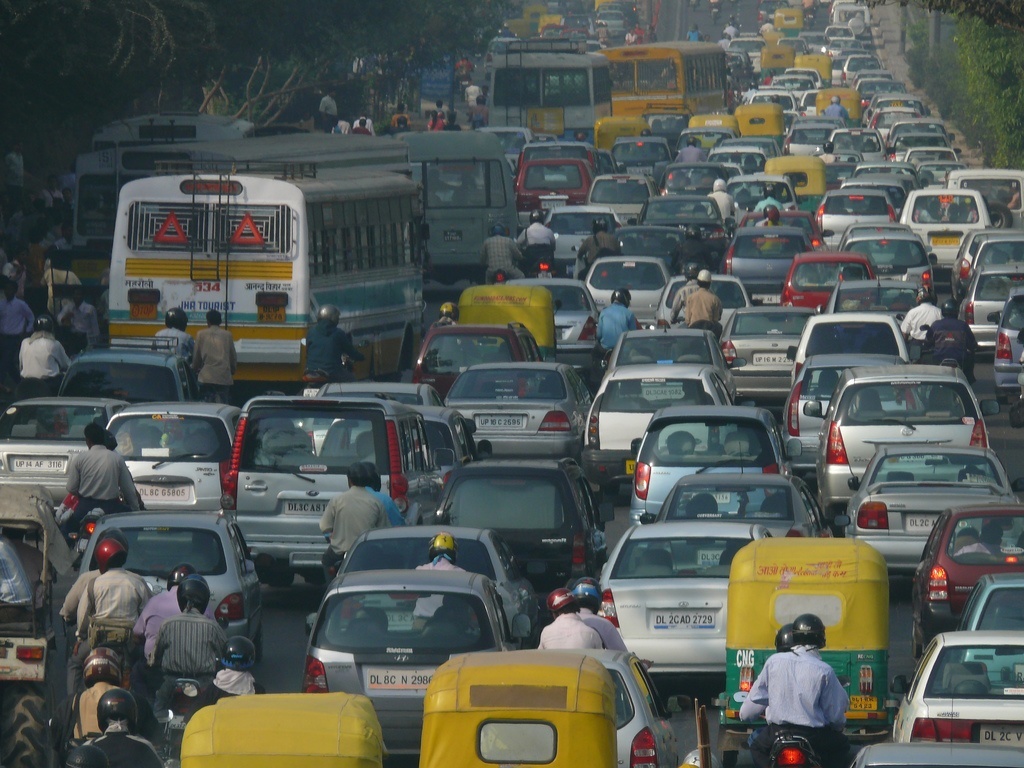
Photo credit: Wikipedia
You might argue that the decline in car ownership will just be an American thing. It’s not. The potential growth of the car industry in Asia is limited.
Pressure is being exerted against the car industry by the likes of Uber and Lyft, which give people efficient ways to go around town.
These apps are not just taking off in the US. Uber is everywhere, and is becoming a household name. Didi is prospering in China, and GrabTaxi in Southeast Asia. These services make owning a car less necessary in Asia’s urban centers, which are growing more populous by the minute as rural folks migrate to cities in search of work.
The rebirth of car companies





Stay updated on the go with our mobile app.
Get latest insights with smoother, more personalized experience through TIA mobile app.