- Insights This article was written by a TIA community member. Insights pieces undergo the same rigorous editorial process that newsroom-produced articles have.
 Nathan Thompson · · 4 min read
Why meme coins are not as dumb as you think
This article is part of Crypto Insights, a segment by major crypto exchange Bybit that dives into the latest and most pertinent issues in the crypto space.
The first meme coin I bought was the Tiger King coin during the heady days of the late 2021 bull run. I had watched the first season of the popular Netflix show and with the second season about to be released, I thought it might get enough traction to turn a profit.
I had avoided meme coins up until then – not out of any mean moralizing stance, but I had been warned away from them by friends who were more experienced in the crypto world than I was. “They have no utility and give crypto a bad name,” one of them told me.
Deciding to experiment anyway, I made money selling Tiger King, lost money on some weird coin called Dogen, and recently managed to escape with my initial investment intact before a meme coin based on Will Smith’s slapping of Chris Rock tanked. It’s a dangerous game – that’s the first thing I learned.
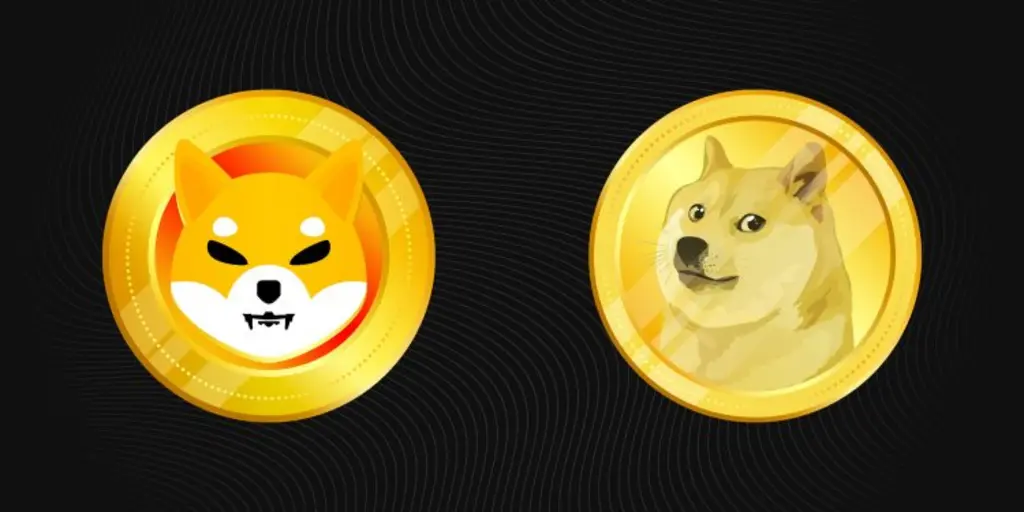
Photo credit: karnoff / 123RF
The next thing I learned was that meme coins like Dogecoin and Shiba Inu are unique beasts – not quite digital assets and not purely gambling chips either. They are jokers who inhabit a liminal space that defies categorization.
To figure them out, let’s go back to Richard Dawkins, who coined the term “meme” in his 1976 book The Selfish Gene. For him, “memes” are units of culture that replicate based on Darwinian laws.
For a crypto token to be a meme, it must behave in a Darwinian way where the fittest or most adapted creations survive and thrive over and above the competition. Meme coins are a solid example of this. The best ideas attract liquidity, and a good team makes strategic hires and galvanizes their community to keep the project growing.
World-beating currencies like Dogecoin and Shiba Inu have grown like foliage, breaking through several layers that all successful meme coins must traverse. First, they must find a foothold by attracting a core group of supporters, then they spread to the meme coin traders. After that, these coins are listed on top crypto exchanges, and then they get to a point where their price actions are covered by mainstream news.
To reach success, meme coins must excel in being attractive and/or useful to produce a fruitful marketing campaign and growth in popularity. When Dogecoin was first created in 2013, the fact that it had no utility wasn’t a liability but an asset – it was part of the joke. People got a kick out of buying and holding an entirely useless coin, and the joke was what made it attractive.
The Dogecoin joke has lasted for nearly 10 years because it satirizes a perpetual problem with fiat currency: the fact that it’s actually just an IOU with a picture of a (usually deceased) statesperson on it. Well, why not a coin with a picture of a dog on it, then?
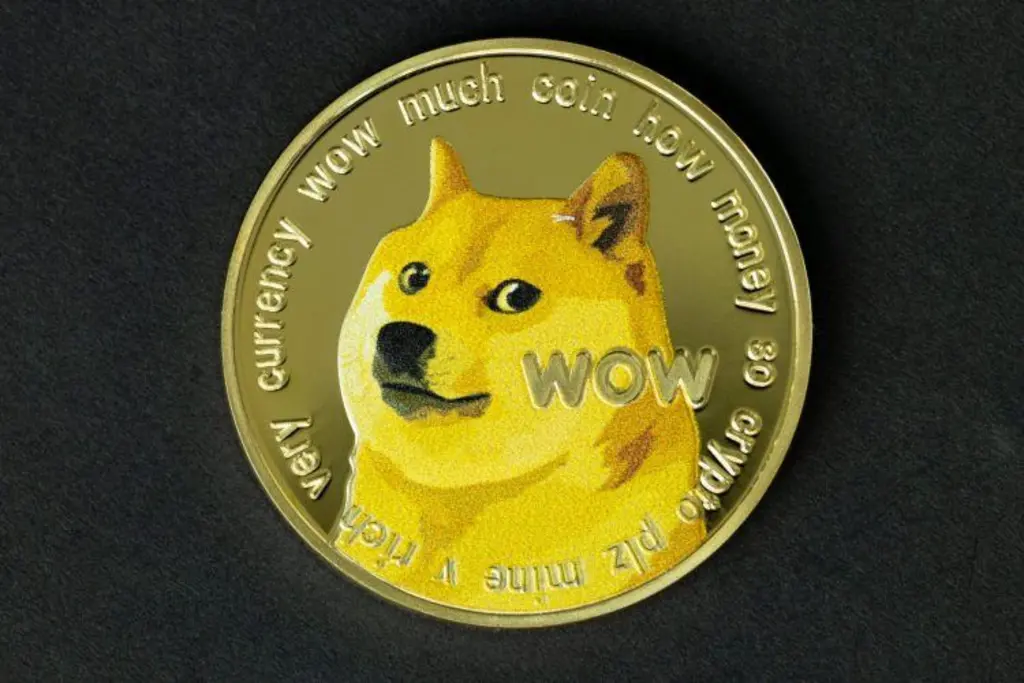
Photo credit: maridav / 123RF
Today, it seems utility is more at the forefront of meme coin creation. Take Marshall Inu, a meme coin that launched on the back of the controversy that blew up around the Joe Rogan Experience podcast earlier this year. It started as a way for Rogan’s fans to show their support, but it has morphed into a project that sponsors mixed martial arts fighters.





Stay updated on the go with our mobile app.
Get latest insights with smoother, more personalized experience through TIA mobile app.











📅 Upcoming Events
22 October 2026
Payoneer x CSPN Summit 2026