Josh Horwitz · · 7 min read
WeChat’s future is in hardware, and it can thank Polaroid for the inspiration

When Polaroid discontinued its instant photo-churning film and camera in 2008, the world mourned the death of a loveable but hopelessly antiquated piece of technology. Make no mistake, smartphones and digital cameras rendered the clunky and lo-fi Polaroid camera redundant. But dated as it was, instant photos retained their mysterious appeal, living on in artist studios and Tumblr blogs to this day.
Many companies have emerged from the fold in hopes of digitizing and modernizing the Polaroid’s enduring appeal, though none have caught on significantly. But Welomo, a Chinese startup based in Guangzhou, is making strides, and its founders proudly attribute its growth to WeChat – the popular mobile messenger that’s on almost every smartphone in China.
The selfie printer is the new gumball machine
Let’s say you’re at a cafe with a friend, snapping selfies and posing with your intricately arranged food. Wouldn’t it be cool to have a cute paper photo of those selfies to keep in your purse? If there’s a Welomo printer nearby, you can. Scanning a QR code on the Welomo printer’s screen automatically adds Welomo’s service account to one’s WeChat contacts list. After selecting a photo to print, users input the four-digit code for the nearby Welomo printer into the chatroom space. The printer then churns out the selfie, which you might then hand out to your friends, or stick on the cafe wall.
Of course, this isn’t really about paper selfies, it’s about viral marketing. Businesses that own a Welomo printer – which sells for RMB 8000 (about US$1290) – can customize parts of the photo layout. Buy one for your candy store and put your logo in at the bottom corner, next to a QR code for your WeChat official account. It’s now a selfie that doubles as a business card.
These business cards can generate some healthy income too. Printer owners can offer photos to customers for free, but Welomo tells merchants the “suggested price” for each photo is RMB 3 a pop, which consumers pay using WeChat’s built-in payment service. That’s not going to turn a cafe owner into a billionaire, but it will bring in some extra cash – not unlike the gumball machines planted outside supermarkets and movie theaters.
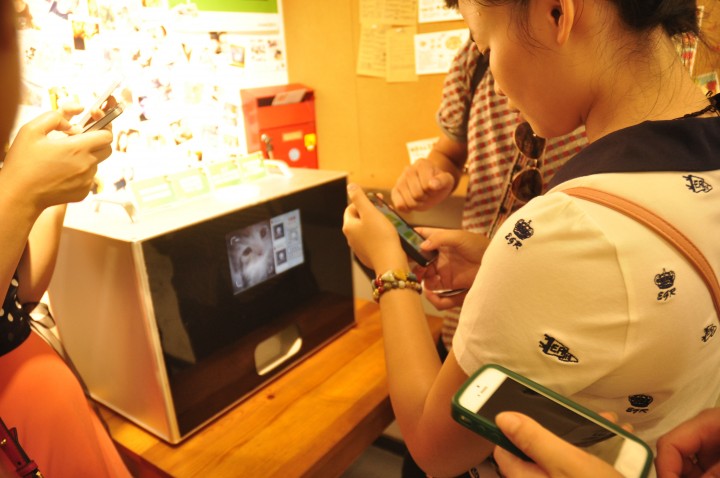
Chance Jiang, co-founder of Welomo, tells Tech in Asia that the flexibility in pricing helps broaden the use cases for the printers. Already, brands ranging from trans-continental hot pot chain Haidilao to telco China Unicom have purchased Welomo machines for marketing and entertainment purposes.
“Haidilao offered free printing services and they thought this would be an add-on that would allow the consumers and diners to share content with their friends,” says Jiang. “But later on they found out that the machine could generate revenue to cover the cost of the machine itself.”
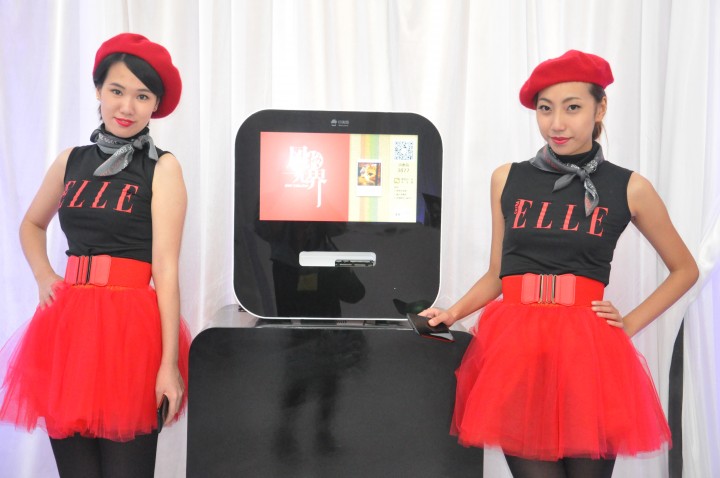
Printing your own destiny
WeChat is going after hardware





Stay updated on the go with our mobile app.
Get latest insights with smoother, more personalized experience through TIA mobile app.