- Premium Content It takes our newsroom weeks - if not months - to investigate and produce stories for our premium content. You can’t find them anywhere else.
 Melissa Goh · · 6 min read
Should Singapore’s e-wallets be threatened by Google Pay?
Google is creating quite a buzz in Singapore these days.
The cause for the stir? Its sleek and revamped digital payments app, Google Pay. Since last September, the tech giant has been rounding up customers for the service through attractive sign-up and referral bonuses, as well as cashbacks on peer-to-peer fund transfers – an irresistible lure almost reminiscent of GrabPay in its early days.
Photo credit: dennizn / 123rf
Google Pay finds itself playing a unique role in the city-state. Unlike super apps and ecommerce platforms in Southeast Asia, Western Big Tech firms aren’t trying to become banks or compete for customer deposits, observes Varun Mittal, a global emerging market fintech leader at consultancy firm Ernst & Young.
Google’s goal, for instance, may simply be about gathering data on how and where its users spend, which could lead to more targeted advertising.
This makes players like the search giant valuable partners for traditional banks who are trying to fend off the likes of Grab or Sea. Working with a Big Tech firm would be a way for incumbent banks to “make more money and offer more services and boost the number of digital transactions,” Mittal notes.
Google’s payments app may also have a good chance of succeeding by virtue of its clout. The tech firm’s ubiquity in people’s everyday lives – whether through Gmail, Google Maps, or Chrome – gives it an advantage in acquiring both users and merchants. The average person in Singapore uses at least one of its services, and if you’re a retailer, you probably have a business listing on its search engine.
New users can start using Google Pay after downloading the app and signing up with their mobile number.
“Everybody already has an account with one of these Big Tech players,” observes Mittal, and with customer and merchant relationships in place, “all they need to do is consumer marketing.”
Special footing
Google’s relatively nonthreatening position for banks could be a reason why the company has been able to string together partnerships with DBS’ e-wallet DBS PayLah, OCBC Bank, and Standard Chartered Bank in Singapore, the second country the tech giant is launching its refreshed payments app after India.
The payments service is customized to each of its markets. In the city-state, Google Pay users can make transfers to anyone registered with PayNow, the national peer-to-peer funds transfer service.
The tie-up with PayNow also allows Google Pay users to directly draw funds from their existing bank accounts. In other words, Google Pay does not need to hold a balance at all, making it easier for customers to use.
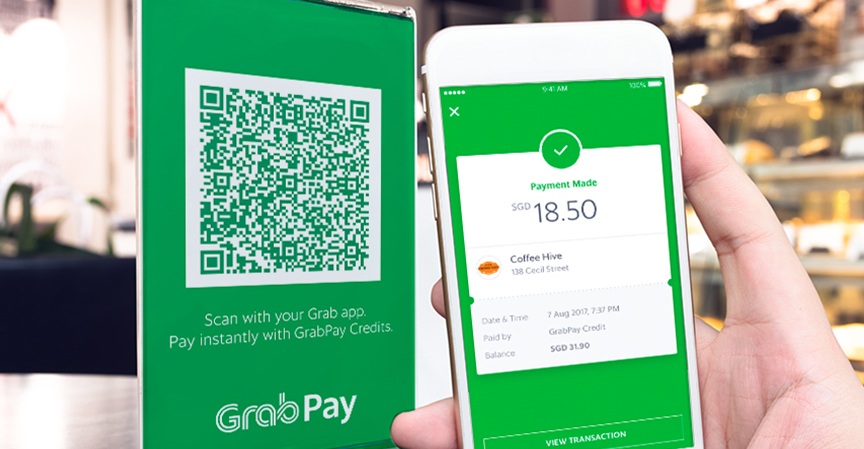
Photo credit: Grab
Timing matters
A big advantage
Succeeding in India
Stay ahead in Asia’s tech landscape
This is premium content. Subscribe to read the full story.
Is Google Pay just another e-wallet in the mix or could it be something more?
We know this is not ideal. ⌛ Sign up in 20 seconds. Cancel anytime.
Our subscriber community includes professionals from these companies:





Stay updated on the go with our mobile app.
Get latest insights with smoother, more personalized experience through TIA mobile app.