Chinese consumers collectively spent 158.31 billion yuan (US$22.63 billion) in the first nine hours of Alibaba’s Singles’ Day shopping extravaganza, scooping up everything from consumer electronics to luxury items and even cars. The figure is two-thirds of last year’s final tally of US$30.8 billion.
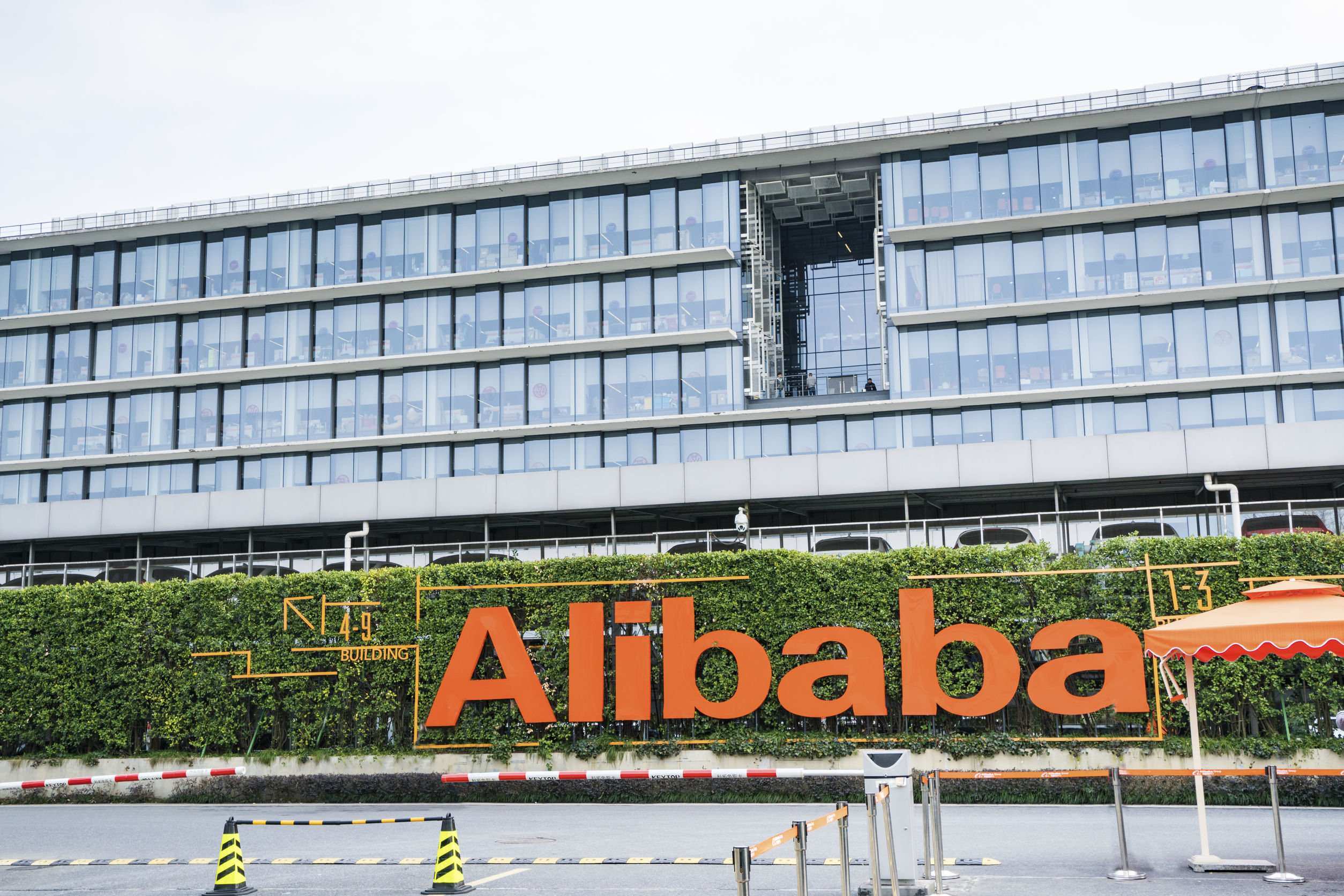
Photo credit: caoyuan73 / 123RF
Alibaba’s Singles’ Day shopping festival, which falls on November 11 every year, is the world’s largest of its kind. The festival will be closely watched this year as a barometer for consumer sentiment 16 months into a US-China trade war and amid a slowdown in the Chinese economy.
While the company’s ecommerce marketplaces Tmall and Taobao are traditionally the mainstays of the annual shopping extravaganza, this year’s festival will also include business-to-business ecommerce platforms like AliExpress and Lazada, Alibaba’s Southeast Asian ecommerce subsidiary, as the company taps international consumers.
Alibaba Group Holding is the parent company of the South China Morning Post.
Hong Kong, the US, the UK, Australia, and Japan were among the top overseas buyers in early business. At the open, the top five regions in mainland China in terms of transactions were Guangdong, Zhejiang, Jiangsu, Shanghai, and Shandong.
Opening sales were brisk, hitting US$10 billion in just under 30 minutes, half the time from the previous year.
GMV for the Double 11 Global Shopping Festival is the total value of orders settled through Alipay on Alibaba’s consumer-facing core commerce platforms, as well as Lazada and AliExpress, within a 24-hour period on November 11. It is reported on a real-time basis and includes shipping charges paid, according to Alibaba.
Apart from Alibaba, rival sites such as JD.com and Pinduoduo have also launched their own Singles’ Day campaigns to entice buyers to spend on their platforms.
“Singles’ Day is becoming more recognized worldwide […] but since it is still very much a domestic holiday and event, it is a true test of Chinese consumer power,” said Benson Ng, EY Greater China digital advisory leader.
Singles’ Day got its name from its date. Written numerically as 11/11, the date looks like “bare branches,” a Chinese expression for the single and unattached. As a kind of antidote to the societal pressures of being in a relationship, many of China’s singles began splurging on themselves on Singles’ Day, which became seen as a type of anti-Valentine’s Day.
Alibaba held its first Singles’ Day shopping event in 2009 as a promotional campaign, but these days it has morphed into a show of China’s collective consumer spending power. Last year, consumers spent 4,000x more than they did during the first-ever Singles’ Day event.
Ahead of this year’s shopping extravaganza, consumers seemed to be as eager as ever to snap up deals. Prior to the beginning of the festival on Monday, 64 brands – including Apple, Dyson, Lancome, and L’Oreal – had already achieved 100 million yuan (US$14.3 million) in pre-orders, Alibaba said.
Eager consumers also snapped up over 15,000 bottles of Kim Kardashian’s KKW Fragrance perfume, after the reality TV superstar conducted a livestreaming session on Tmall last Thursday to promote the brand.





Stay updated on the go with our mobile app.
Get latest insights with smoother, more personalized experience through TIA mobile app.










📅 Upcoming Events
22 October 2026
Payoneer x CSPN Summit 2026