Osman Husain · · 4 min read
Maturing startups are a healthy sign for Pakistan’s tech ecosystem

Before the internet went mainstream in Pakistan, there was Pakwheels. The car classifieds portal was a torchbearer for online communities in the country – with its cult-like following it attracted four-wheel aficionados from every nook and cranny. Buying and selling cars was considered to be a secondary function – people were more interested in sharing details of how they pimped their rides, plans for upcoming excursions, and discussions of where to find the best mechanic.
One of the factors behind Pakwheel’s success and significant brand equity was its unique ability to mesh the online and offline worlds. When the site launched in early 2003, the online population in Pakistan was close to negligible. But word about it spread, and people from across the country found themselves logging on, discussing anything and everything associated with cars. They’d share pictures, ask each other for advice, and organize offline events to help embody a healthy community spirit.
People in Pakistan aren’t too different from others across the world – they love fast, flashy cars. Little by little, Pakwheels became the destination to go and brag about your new car. But this wasn’t only done online – the portal regularly held car shows, exhibitions, and smaller meetups for members to get to know one another. The Pakwheels community became more like family – members had no hesitation in sharing personal contact details and would often ask each other if they wished to partake in a cross-country road trip. It didn’t matter if you had only spoken to each other online on Pakwheels – it was assumed that by virtue of your membership in the community, you were trustworthy and reliable.
In 2008, a majority stake in the portal was acquired by Raza Saeed and Suneel Munj – a decision Saeed describes as one based on “instinct,” rather than fundamental business projections. “Pakwheels had a good community and was well-known amongst enthusiasts […] every country has an online portal where cars are bought and sold,” he explains.
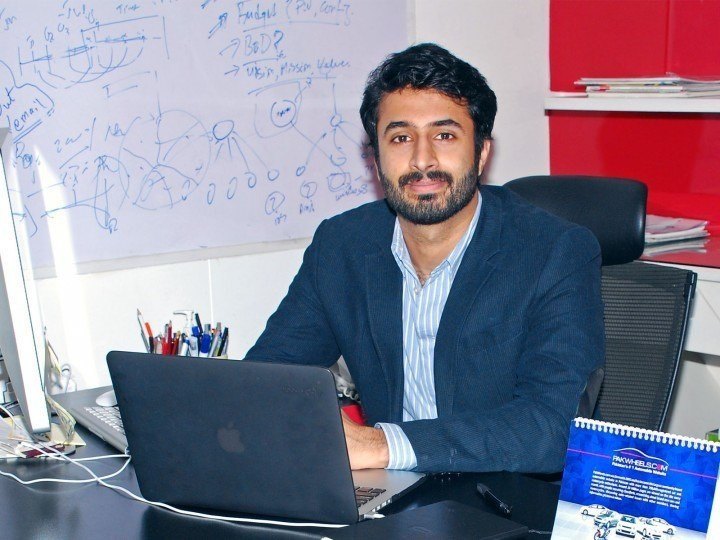
Pakwheels CEO Raza Saeed
Competition lurks
Competition duly arrived in the form of Rocket Internet-backed Carmudi, which entered the space in 2012. Precise numbers are hard to come by, but word on the street is that they have been unable to mount a serious challenge to the local startup. Saeed backs this view and says they became aggressive and improved their game to ward off any potential threats.
“According to Google Trends we’re 50 times bigger than the competition right now […] we don’t really see them as a threat. It’s not a big issue for us,” he adds. SimilarWeb’s statistics paint a similar picture: the web analytics site estimated 1.4 million monthly desktop visits for Pakwheels in September, with Carmudi only attracting 80,000 in the same time period.
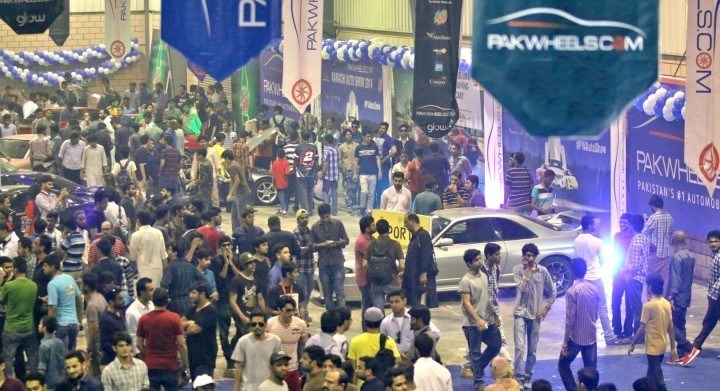
The battle for supremacy in this space was helped by a US$3.5 million capital injection from Frontier Digital Ventures. Saeed claims that they’ve used part of that cash to continue investing in the community. As a result, traffic on Pakwheels has grown by 2,000 percent since 2008, though he declined to reveal specific visitor figures. “We have mega events, auto shows in big cities every year, which has helped build the community and substantially increase the listings on our site,” he says.
A few weeks ago, Pakwheels invested US$100,000 in Autogenie, an on-demand car maintenance service. Saeed says the startup complements Pakwheels’ existing business model and the team is “excited to partner with them.”
It’s an encouraging sign for startups in Pakistan as a whole – they’re not content with sitting back and conquering their own niche but are also working on solutions that can potentially expand their suite.





Stay updated on the go with our mobile app.
Get latest insights with smoother, more personalized experience through TIA mobile app.