- Premium Content It takes our newsroom weeks - if not months - to investigate and produce stories for our premium content. You can’t find them anywhere else.
 Putra Muskita · · 5 min read
Two models emerge from latest wave of co-living startups in Indonesia
The concept of co-living has taken root in many markets as an alternative to typical modes of urban dwelling, such as renting or sharing apartments. But in many cities across Indonesia, the concept of kost – which is similar to co-living in that residents rent a room in a building while sharing common spaces like the kitchen and lounge – has long existed as an affordable option.
As the urban population across Asia Pacific keeps rising, Indonesia presents a huge opportunity because it’s expected to have the third-largest growth in urban population after China and India, according to a survey by real estate consultancy Jones Lang Lasalle.
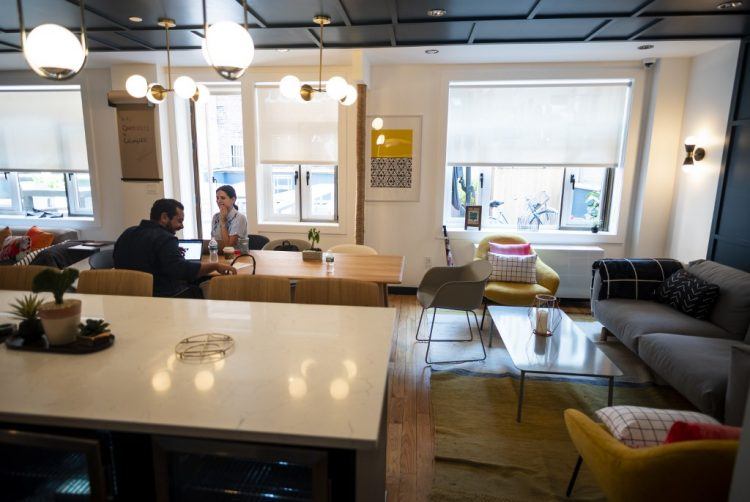
Photo credit: AFP
Indonesian startups have sprouted to bring technology-based solutions to this vertical. Initially, the players were mainly aggregators including Kakao Ventures-backed Mamikos or Infokost, which list available kost accommodations for customers to discover. In comparison, other companies such as Travelio focus on apartment listings.
While aggregation platforms are still around, a second wave of kost-related businesses are entering the market. Instead of just listings, these relative newcomers also provide a standardized, branded experience.
Two distinct approaches
Among them are RedDoorz, which recently launched a product called KoolKost. Like the company’s core budget hotel product, KoolKost works with individual kost operators to provide basic amenities such as free WiFi, routine room cleaning service, and fresh linens.
“The kost market is still relatively unorganized and highly fragmented, with most local organizations unable to provide a good quality, standardized stay experience,” says RedDoorz founder and CEO Amit Saberwal. “Consumers are looking for simplicity and efficiency.”
RedDoorz’s competitors in the hotel space also have similar kost services in Indonesia. In late 2019, Oyo rolled out Oyo Life, its brand for long-term accommodations, with 2,500 rooms across eight cities in the country. It’s unclear, though, how much the Indian unicorn is investing in that business unit, given the ongoing downsizing of its loss-making hotel business.
Other rivals include Flokq as well as RoomMe, a portfolio company of Vertex Ventures, and Rukita, which counts Sequoia’s Surge accelerator program, Silicon Valley’s Lightspeed Venture Partners, and the investment firm of eBay founder Pierre Omidyar as investors.
Another approach is represented by East Ventures-backed CoHive, which began as an operator of co-working spaces before joining the co-living fray.
“We believe co-living complements co-working,” says Jason Lee, co-founder and chief executive officer of CoHive. “The first question our CoHive members ask us when they move into our co-working space is, ‘Do you have someplace for myself or my teams to live at?’ That’s where it all began.”
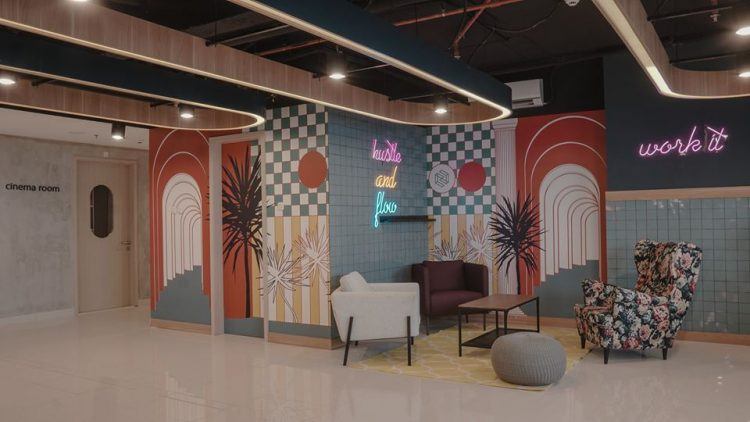
A communal area at CoHive’s co-living space / Photo credit: CoHive
Wellspaces, a company founded by the managing partner of Grupara Ventures, also started out with co-working before venturing into co-living via a sub-brand called Dwell. It currently has two locations in Jakarta.
Going to scale
Stay ahead in Asia’s tech landscape
This is premium content. Subscribe to read the full story.
Companies such as RedDoorz’s KoolKost and CoHive are offering a standardized, branded experience, but with distinct approaches.
We know this is not ideal. ⌛ Sign up in 20 seconds. Cancel anytime.
Our subscriber community includes professionals from these companies:





Stay updated on the go with our mobile app.
Get latest insights with smoother, more personalized experience through TIA mobile app.








📅 Upcoming Events
22 October 2026
Payoneer x CSPN Summit 2026