- Premium Content It takes our newsroom weeks - if not months - to investigate and produce stories for our premium content. You can’t find them anywhere else.
 Putra Muskita · · 5 min read
US-China tensions could spark tech breakthroughs, says Matrix Partners China’s David Su
Amid US-China tensions, it’s difficult not to draw parallels with geopolitical conflicts of the past. But these conflicts can come with a silver lining: they led to the creation of GPS technology, the Internet, and transistors.
David Su, managing partner at Matrix Partners China, makes clear that nobody wants to go back to those “very uncomfortable” times, he said during a panel discussion at this year’s Lee Kuan Yew Global Business Plan Competition. At the same time, from a tech investor’s point of view, he said he is “cautiously optimistic” about what the current geopolitical climate will bring.
Some of these innovations have already materialized, such as the rapid rise of China’s clean energy and electric vehicle industries.

David Su, managing partner of Matrix Partners China / Photo credit: LKYGBPC
The latter is a key focus for Matrix Partners China, whose portfolio companies include EV manufacturers XPeng and Li Auto. This is especially true after the firm closed its latest US$1.6 billion fund – the year’s largest raise for a China-focused firm.
But after backing consumer companies like food delivery platform Ele.me or social app Momo over the past few years, Matrix Partners China is betting that deep tech will drive the next wave of breakthroughs.
The right entry point to deep tech investing
In an exclusive interview, Su tells Tech in Asia that Matrix’s shift to deep tech investing requires a different skill set compared to managing the consumer companies that it’s used to.
In the consumer space, “you have companies that can be backed for two to three years and then become a billion-dollar company,” he said. “Deep tech is really about bringing scientists together, learning and understanding physics and chemistry, and how the world will change.”
That said, Matrix’s long experience working with consumer products can lend new insight for those in academia.
“Maybe they are very good scientists building a great product or technology, but they don’t really know how to work with customers and all that,” he explained. “I think to make a startup successful, tech is a very key component, but the go-to-market, marketing, branding parts are equally important.”
Another difference is that deep tech investors need to be more patient. Some backers may take more of an incubation approach, where they work with founders who are still in university, doing research and development for an idea that might take 20 to 30 years to execute.
Such ventures, though, are not high on Matrix’s priority list.
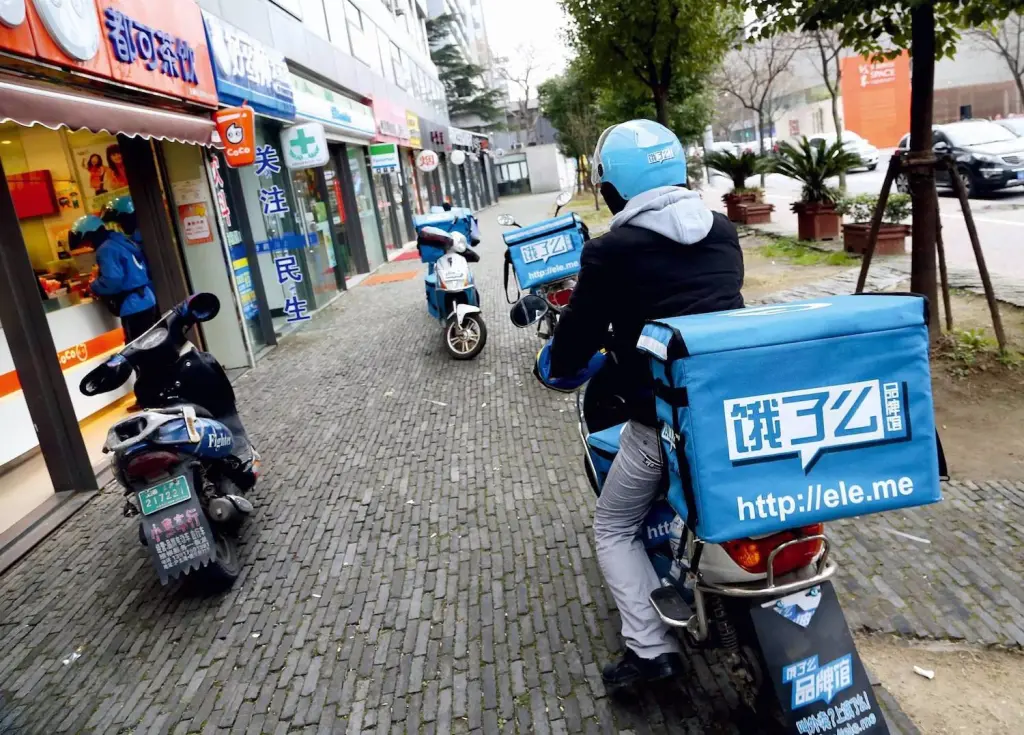
Among Matrix Partners China’s notable investments is food delivery service Ele.me / Photo credit: iFeng Tech
SEA behind on deep tech but that’s OK
Stay ahead in Asia’s tech landscape
This is premium content. Subscribe to read the full story.
The VC is betting that the next global winners will come from deep tech.
We know this is not ideal. ⌛ Sign up in 20 seconds. Cancel anytime.
Our subscriber community includes professionals from these companies:





Stay updated on the go with our mobile app.
Get latest insights with smoother, more personalized experience through TIA mobile app.








📅 Upcoming Events
22 October 2026
Payoneer x CSPN Summit 2026