 Osman Husain · · 7 min read
5 disruptive ecommerce startups we saw in 2015

Image credit: Tech in Asia’s Kathrinna Rakhmavika
Online consumer spend will touch US$1.7 trillion in 2015, eventually going on to reach an eye watering figure of US$3.5 trillion by 2019, predicts eMarketer. The market research firm says that worldwide growth in ecommerce spend will be mainly fueled by increasing demand in the Asia Pacific region – which is forecasted to increase by a healthy 25 percent year-on-year. By the end of the decade, online channels would account for almost 12.5 percent of total retail sales globally.
Despite these giddying figures, the Asia Pacific region still lags behind its Western counterparts. Ecommerce spend is only thought to be one percent of the total retail pie right now, as compared to 6 to 8 percent in North America and Europe. It’s clear there’s opportunity for further growth, which partly explains the reason why millions of dollars are flowing into the (relatively) untapped markets of India, Thailand, Singapore, and Indonesia.
As more people come online, the challenge is for ecommerce startups to continue innovating, as well as tap into more niche segments. At the end of the day, if consumers are satisfied and happy with their online transaction, it’s safe to say that they’ll continue to shop in that app. That will help with retention and greatly lower user acquisition costs – one of the main factors driving marketing spend.
In no particular order, here are 5 startups which disrupted ecommerce markets across Asia in 2015.
1. Craftsvilla
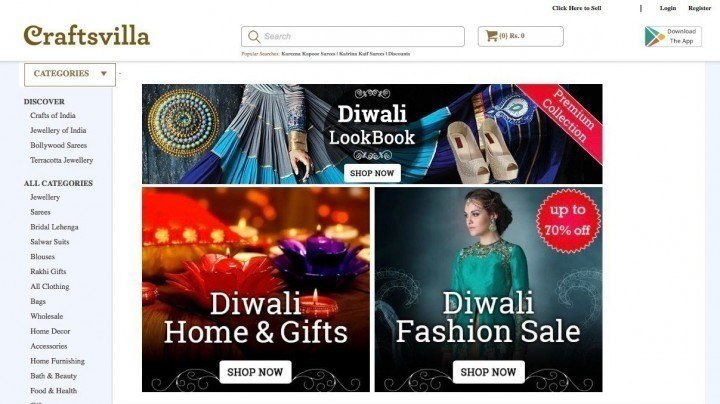
Craftsvilla – the ecommerce store for ethnic Indian products – is almost five years old but has truly proven its mettle this year. It raised a total of US$54 million spread across two rounds within a span of eight months and may very well be gunning for an IPO in the near future.
Often referred to as the “Etsy of India,” the startup’s value proposition lies in its ability to connect consumers with authentic Indian artisans. Most of these craftsmen and designers ply their trade outside major urban centres, which means consumers aren’t likely to find their products in shopping malls or other retail outlets. Craftsvilla helps solve this problem and brings artisanal goods to the reach of global consumers. There are over 25,000 designers and two million products available. What’s not to like?
2. Honestbee
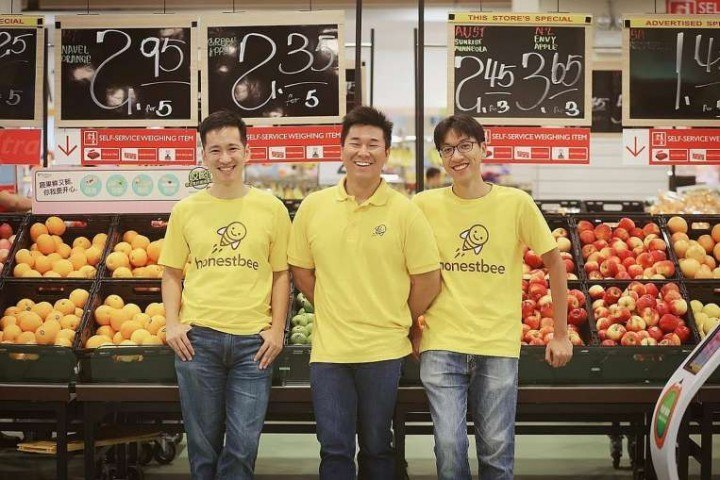
Honestbee, an Instacart-like service, is one of the hottest names in Singapore at present. The startup – which employs freelance runners to buy and deliver goods to your doorstep – prides itself on its nimbleness, distinguishing it from competitors like RedMart and GoFresh.
There’s a real war for dominance in the online grocery space, but despite its late entrance into the scene, Honestbee is determined not to be swatted away. The startup managed to secure US$15 million in a series A round within a few months of launch and announced it would be expanding to Hong Kong.
One of the advantages it may have over its rivals is that it doesn’t need to burn through large amounts of cash to invest in things like warehousing, inventory, and logistics as it simply utilizes existing offline retail to get the job done. Rivals will argue, however, that they’re cheaper because they buy things in bulk and cut out the retail middleman.
3. Shopee
4. Ninja Van / aCommerce
5. Quikr





Stay updated on the go with our mobile app.
Get latest insights with smoother, more personalized experience through TIA mobile app.










📅 Upcoming Events
22 October 2026
Payoneer x CSPN Summit 2026