Penny Lau · · 4 min read
Understanding Alibaba’s latest move to jumpstart next phase of ecommerce growth
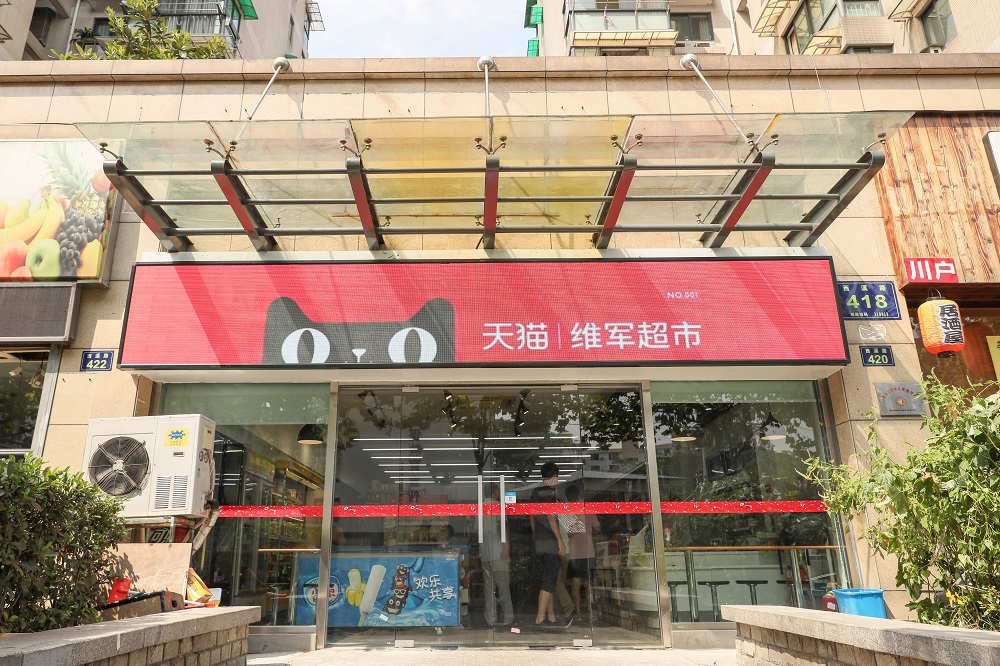
An offline retail store in Hangzhou displays a Tmall logo after partnering with Alibaba. Photo credit: Alibaba.
The battlefield of Chinese ecommerce giants has shifted offline. The latest move is by Alibaba, which joins its competitors in venturing into the supplier market space for China’s mom-and-pop stores. The idea is to reach the 600 million Chinese consumers still unexposed to online retail.
Although online retail has been developing for 20 years in China, its share of total consumer retail was less than 15 percent last year.
TMall, one of Alibaba’s online shopping businesses, will now also operate as a supply chain platform for small shops conveniently located within 500 meters of consumers’ living compounds and buildings. It aims to reach out to 10,000 such stores in its first year, according to an article on its website last week. The shops will get Tmall branding as well as support with marketing, store design, and inventory management.
This move follows the company’s recent forays into other physical outlets, including a supermarket chain that offers fresh foods and a staffless grocery store. What it calls its “new retail model,” or integrating the offline and online worlds, is in fact a way to boost its online traffic by luring more offline retail channels to use its online wholesale marketplace.
Fighting for a place in the offline world
The reason for the online-to-offline move is obvious – slowing growth in both new users and per capita online retail spending. According to a report by Zhiyan Consulting Group, Chinese online retail sales growth per year is expected to slow to 13 percent in 2020 from 26 percent in 2016.
Alibaba isn’t the first to jump on this train to expand its offline footprint via small shops. JD, its largest domestic rival, announced earlier this year ambitions to become the supply channel partner to one million local convenience stores in the next five years.
Fellow tech giant Tencent has launched mini programs or lightweight apps embedded inside WeChat that users don’t have to download. This caters to offline users who prefer ease of use, and its scan-to-use capability is expected to convert offline users into online traffic.
See: WeChat wants to use mini programs to tap into offline traffic
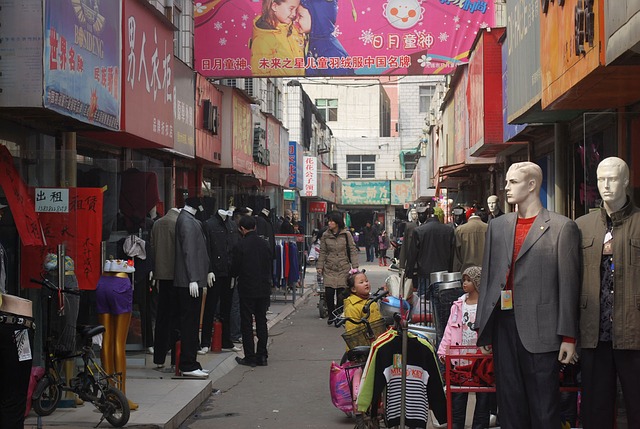
A row of knockoff stalls in China. Photo credit: PublicDomainPictures.
“The offline market is still the main theme in domestic consumption. Although online retail has been developing for about 20 years in China, its share of total consumer retail was less than 15 percent last year, according to our data,” says Cao Lei, director of the China E-Commerce Research Center.
Alibaba has reached a bottleneck in driving revenue from its online platforms, and traffic dividends from new users is also dwindling, Cao adds.
Why mom-and-pop stores?
In the past, ecommerce companies had focused their competition on more durable consumer products such as clothing, books, and electronics. But there is a large potential market in the fresh food and grocery segment that could be worth hundreds of billions of dollars, according to Cao. The market also extends to the more remote areas and smaller cities, where the prevalence of online shopping lags behind major cities like Beijing and Shanghai.
What’s in it for small stores?





Stay updated on the go with our mobile app.
Get latest insights with smoother, more personalized experience through TIA mobile app.