Iris Deng · · 5 min read
Shenzhen needs to attract overseas talent to fuel Greater Bay Area’s hi-tech ambitions
This article is co-written by Celia Chen.
China is addressing a potential hurdle to creating a global technology and innovation powerhouse in the Greater Bay Area by wooing talent – sourced from overseas and across the country – to work in Shenzhen, the country’s hi-tech capital.
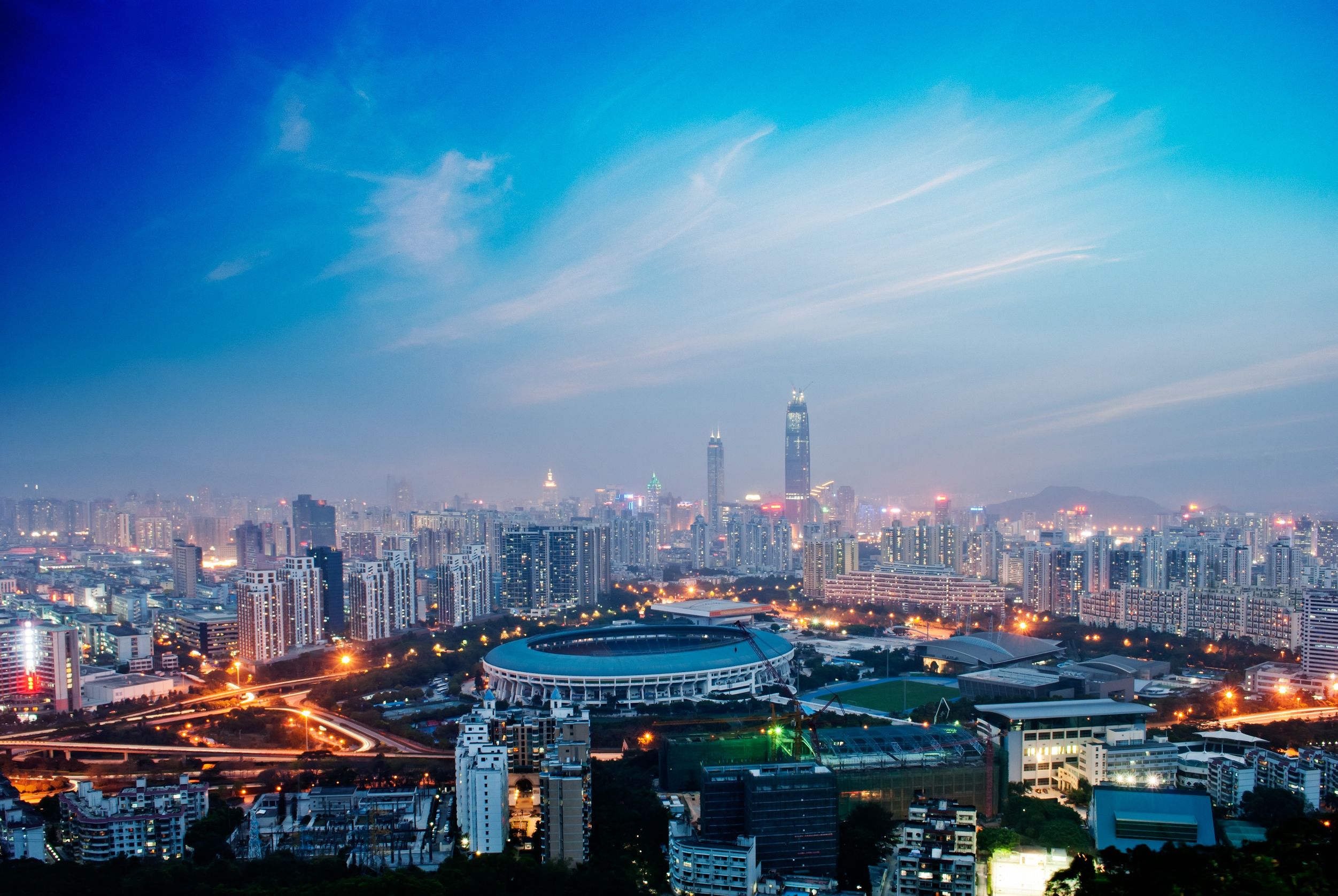
Photo credit: yuliufu / 123RF
That strategy forms part of a detailed plan unveiled on Sunday by Beijing, which has called for wide-ranging reforms to be implemented in Shenzhen that will make the southern coastal city a leader in terms of innovation, public service, and environmental protection by 2025.
It also outlined a range of hi-tech development initiatives, including the establishment of a comprehensive national science center, strengthened basic scientific research, and flexible policies to attract and retain highly skilled talent from overseas.
“Policies to attract talent is an important wind vane [for the rest of China],” said Dong Xiaoying, a professor at Peking University’s Guanghua School of Management.
Shenzhen, which borders Hong Kong to the south, will set up talent acquisition and immigration processes that will cater to highly skilled overseas workers. Hong Kong and Macau residents who work in Shenzhen, for example, would be given “citizen treatment” to enjoy local social welfare benefits.
The latest initiative has come months after Beijing unveiled its Greater Area Bay blueprint, which aims to transform 11 cities in southern China – led by Hong Kong, Macau, Shenzhen, and Guangzhou – into a combined economic powerhouse.
It would also help Shenzhen – the original site for China’s reform and opening-up experiment 40 years ago – become a global “benchmark” for competitiveness, innovation, and influence by the middle of the century, according to Beijing’s plan.
“There has been a fierce competition globally to attract talent in fields such as artificial intelligence,” Peking University’s Dong said. “Shenzhen’s goal to build a better environment in terms of legal structure, culture, and people’s well-being would help it woo the best talent across the world.”
The plan for Shenzhen has signaled its rising status in the Greater Bay Area, as government planners turn to major mainland cities to drive the region’s development amid China’s ongoing trade and tech war with the US.
Over the past 40 years, Shenzhen has been transformed from a sleepy fishing village to a city of more than 12 million people, where the hi-tech sector accounts for more than a third of its gross domestic product. It is home to many hi-tech startups, electronics contract manufacturers, and major firms such as internet giant Tencent Holdings, drone market leader DJI, car and battery producer BYD, and telecommunications gear maker ZTE Corp.
The city is also the headquarters of Huawei Technologies, the world’s largest telecom equipment supplier, which has been caught in the middle of the US-China trade war as well as blacklisted by Washington from buying American technologies.
The trade tensions with Washington have prompted Beijing to rally its major hi-tech companies, top scientists, and engineers to help accelerate development of core technologies, move the country up the industrial value chain, and lessen reliance on technology suppliers based overseas.





Stay updated on the go with our mobile app.
Get latest insights with smoother, more personalized experience through TIA mobile app.