- Premium Content It takes our newsroom weeks - if not months - to investigate and produce stories for our premium content. You can’t find them anywhere else.
 Collin Furtado · · 6 min read
Zimplistic flips to a profit in 2021 after troubles
Zimplistic, the Singapore-based startup behind the fully-automated flatbread maker Rotimatic, told Tech in Asia that it has turned operating profitable for the first time in 2021. The company said that its revenue has “increased substantially,” but it declined to give specific numbers.
While Zimplistic didn’t divulge details of its financials for 2021, this comes as a turnaround two years after it burned into its cash reserves due to mounting losses.
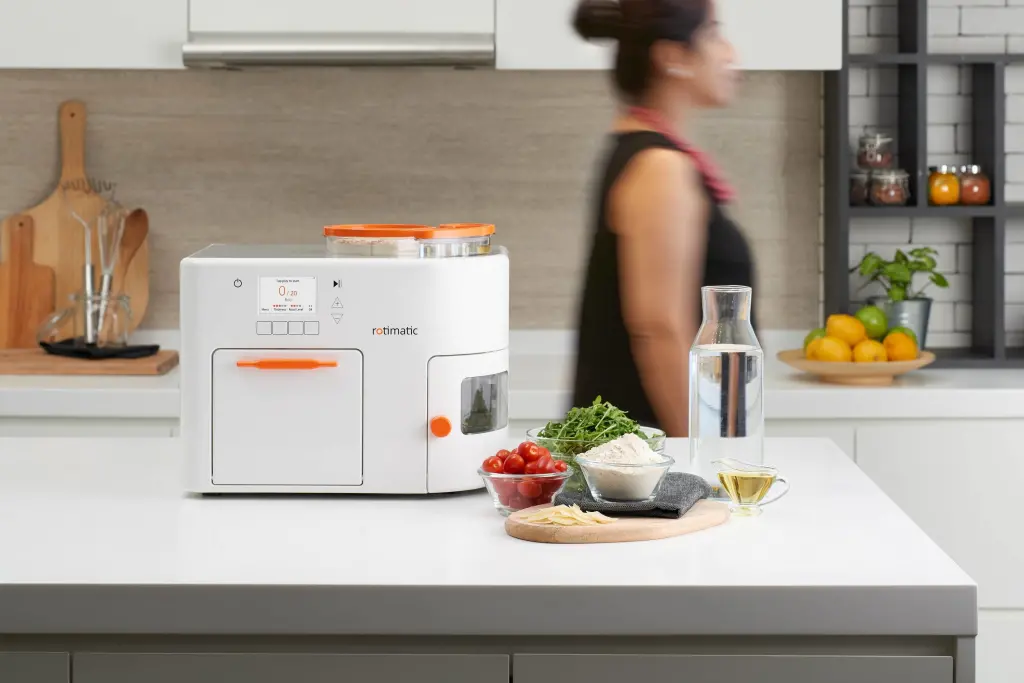
A Rotimatic machine / Photo credit: Zimplistic
In October 2020, investment vehicle Light Ray Holdings acquired Zimplistic after its previous investors rushed for the exit door. While the ownership changed, the management remained under husband and wife founder duo Rishi Israni and Pranoti Nagarkar Israni. The company’s turmoil drove the founders and new owners to create a plan for financial sustainability in 2021.
“Once the new investors came in, we all had a series of sessions to zero in on the execution plan going forward,” Pranoti tells Tech in Asia. This included improvements on its product, investments in its user experience, its plan for a launch in India, and its strategy for consumables.
A rush that led to regret
In 2018, Zimplistic was battling mounting losses and falling revenue, according to its regulatory filings.
At the same time, the company was burning through its cash reserves. The net cash used in its operating activities during that year was US$19.9 million, while it had raised a total of only US$11.6 million by 2018, according to VentureCap Insights data.
The rush to do a full rollout of the Rotimatic product seemed to be the main cause of the startup’s losses.
“With the benefit of hindsight, we can say that the decision of selling 21,000 machines in our first year was not the best thing to do. I think we were overenthusiastic about the launch and in hindsight we should have tempered our enthusiasm about taking a unique product to a market and have had a balanced approach towards a rollout,” says Pranoti.
She explains that it was supply chain costs that impacted Zimplistic, as the company did not scale it in the first year of Rotimatic’s launch. “Operationally, it takes time to set up and scale the supply chain,” she adds.
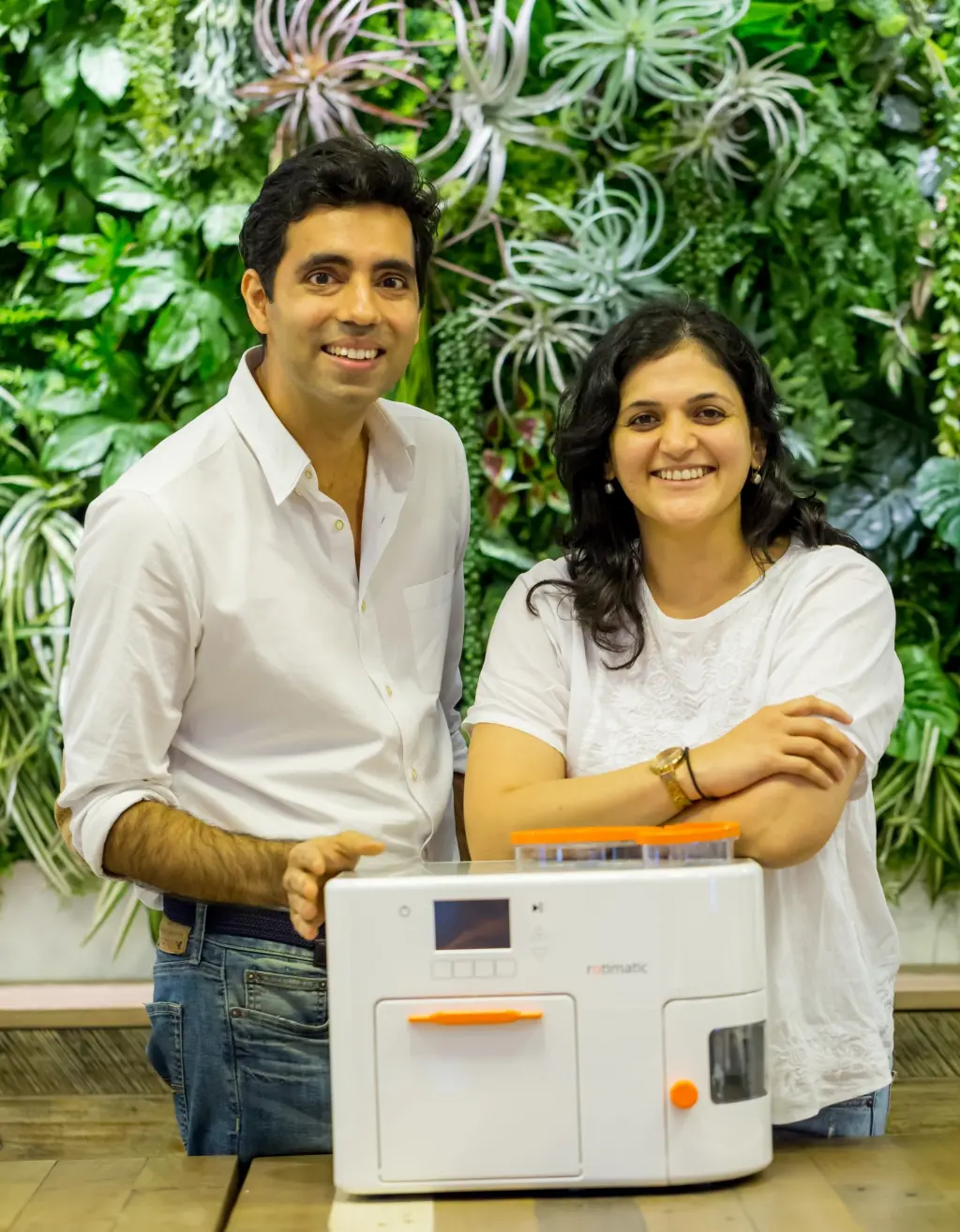
Zimplistic co-founders Rishi Israni (left) and Pranoti Nagarkar Israni / Photo source: Zimplistic
Pranoti shares that if the company were to launch the product again, it would do a staggered rollout with a subset of geographies. She says that this would have led to a better experience for all the stakeholders, especially the users.
Slowing the cash burn
Homecoming for the Rotimatic?
Stay ahead in Asia’s tech landscape
This is premium content. Subscribe to read the full story.
After mounting losses and high cash burn led to Zimplistic’s sale over a year ago, the company has turned around its financials in 2021.
We know this is not ideal. ⌛ Sign up in 20 seconds. Cancel anytime.
Our subscriber community includes professionals from these companies:





Stay updated on the go with our mobile app.
Get latest insights with smoother, more personalized experience through TIA mobile app.