- Premium Content It takes our newsroom weeks - if not months - to investigate and produce stories for our premium content. You can’t find them anywhere else.
 C. Custer · · 5 min read
Luckin Coffee vs Starbucks: a tale of asymmetrical warfare
The following is an adapted translation of this article written by Li Meng and published by Sina Tech.
Recently-IPO’d coffee startup Luckin Coffee has gotten a lot of media attention.
As a Luckin senior executive recently said, “a lot of popular industries are worth doing over again with the internet.” That’s what the startup’s trying to do with coffee.
Its rise has been astonishing: in just half a year, it surpassed Costa Coffee in terms of China outlets (12 years after entering the nation) – and right now, after three years in existence, it’s looking like it might beat Starbucks, which has been in China for 20 years.
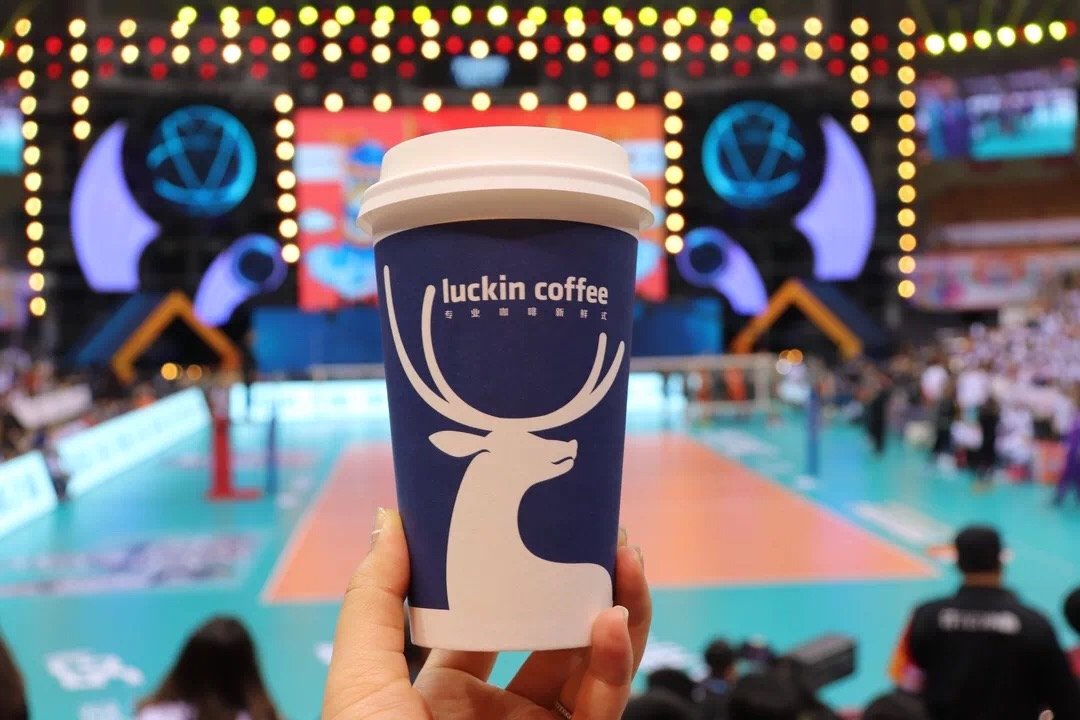
Photo credit: Luckin Coffee
Luckin may be burning cash, but there’s no denying the speed of its development has subverted the traditional coffee shop strategy. The company itself has said that losing US$119 million in a year to buy 2,000 directly-operated locations is good business, and it plans to continue to post losses. Its IPO prospectus makes clear that the company expects to continue to incur “significant net losses” going forward.
I would call this “creating a trend by having a long-term view,” and it’s an approach to business that may be difficult for latecomers to catch up with. But it’s difficult to post massive growth without capital inflow, so how has Luckin managed to succeed in spite of China’s cooling capital markets and a powerful opponent in Starbucks?
Big McD energy
Statistics show that global coffee consumption is creeping up at just 2 percent per year, whereas in China that number is 15 percent. The Chinese coffee market is expected to reach US$114 billion by 2025. And while Americans drink 300 cups of coffee a year on average, according to Starbucks CEO Kevin Johnson, Chinese consumers drink just 1.5 cups.
Clearly, this is a big potential growth market.
Luckin sees Starbucks as a major competitor, and accordingly hired a professional organization to do market research. The results showed that just 26 percent of people were willing to spend more than US$4.35 on a coffee, which is what a typical cup costs at Starbucks. That leaves a huge market “blind spot” for lower-priced cups from a competitor.
See: In China, Starbucks punches back at startup rival with online ordering
Luckin caps its coffees and teas at US$3.90.
Starbucks surely realizes this pricing threat as it sees McDonalds as a major competitor.
Social scrap
Winning attention
Stay ahead in Asia’s tech landscape
This is premium content. Subscribe to read the full story.
Here’s how China’s startup coffee chain is radically different.
We know this is not ideal. ⌛ Sign up in 20 seconds. Cancel anytime.
Our subscriber community includes professionals from these companies:





Stay updated on the go with our mobile app.
Get latest insights with smoother, more personalized experience through TIA mobile app.