Daniel Tay · · 4 min read
Thai people aren’t benefiting from cash-rich tourists. Local Alike wants to change that
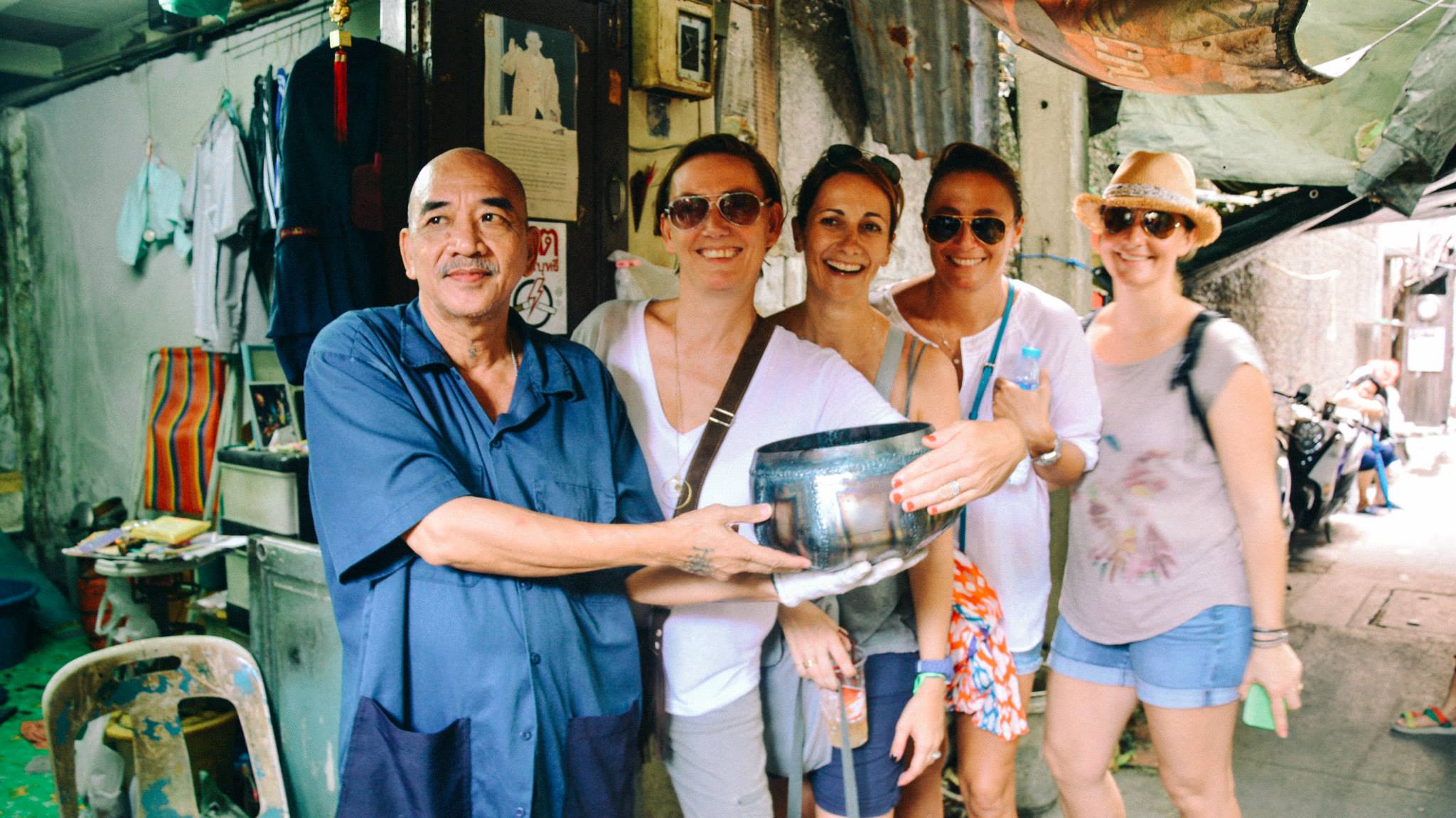
Who doesn’t love a good holiday? For busy workaholics of this era, the yearly overseas voyage to tour foreign lands is sometimes the very thing that keeps them trudging back and forth from work everyday. Yet on the receiving end, locals would beg to differ on how wonderful tourism really is.
This is especially pertinent in countries that have a stark rural-urban divide, such as Thailand. In its more mountainous and beachy regions, local Thais have for a long time been on the losing end of an unequal relationship with the throngs of tourists pouring in.
Somsak Boonkam – known as Pai to most – tells Tech in Asia that there are deep-seated problems with Thailand’s THB 6 billion (US$183 million) tourism industry that contribute to this inequality. Firstly, while tourism brings in the big bucks, most of it ends up in “urban areas in favor of large enterprises, like hotel chains and large travel agencies.” Because of this, few local people actually get any benefit from it.
Secondly, sustainable development isn’t a huge priority to the companies involved in tourism. “There are plenty of examples where mass tourism has been and will continue to be damaging to the local communities environmentally and socially,” explains Pai. “Often times, local communities are treated merely as a supporting role or worse.”
Nowhere is this more apparent than amongst the local hill tribes. In particular, the long-necked inhabitants of northern Thailand have been in the spotlight as examples of unethical tourism. Many of these women were not given a choice of whether or not to don the golden rings that elongate their necks from a young age, largely because they are dependent on the income that comes from this trade. Yet, even the money they earn is but a small pittance compared to what tour operators earn.
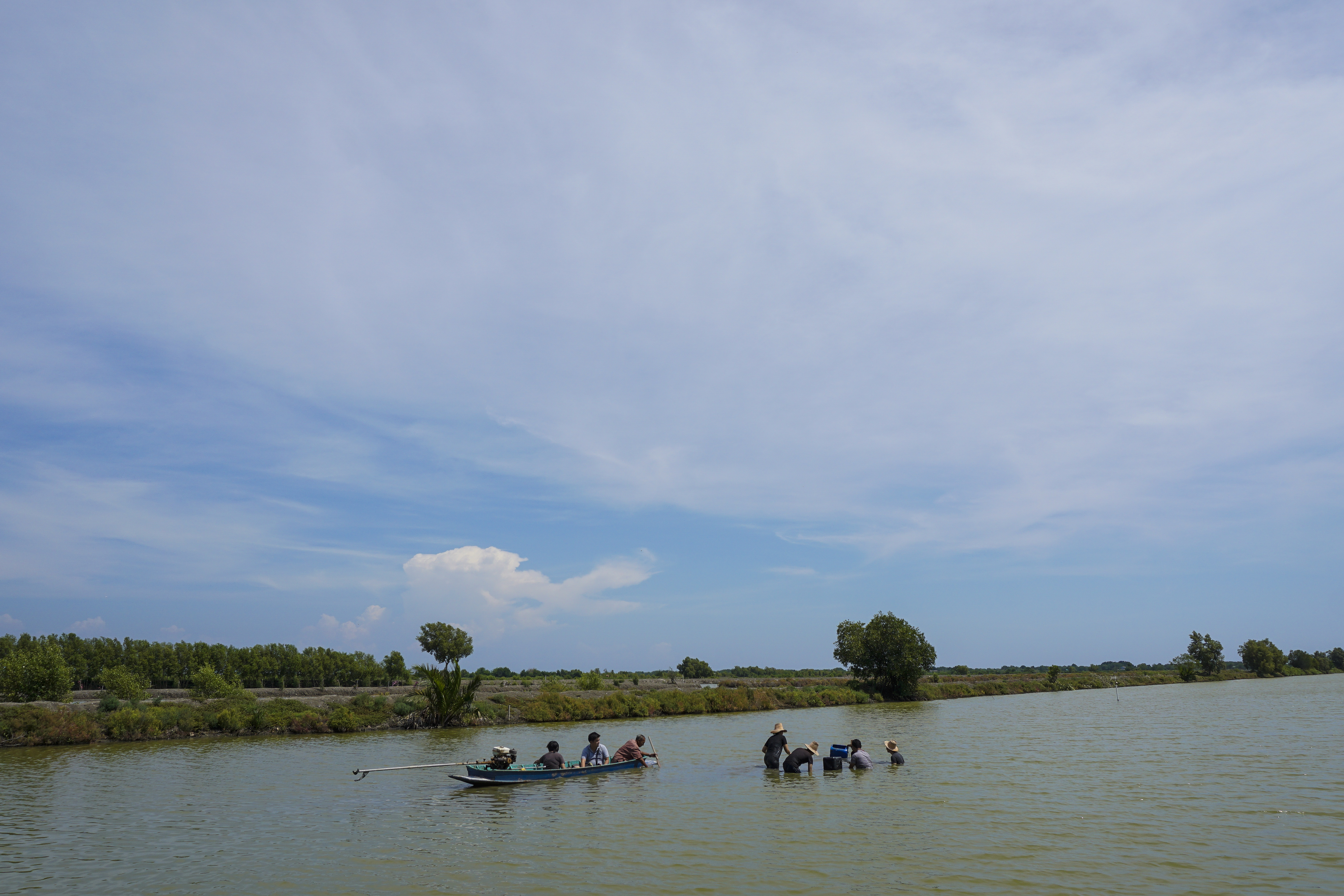
These issues have fueled the rise of community-based tourism (CBT), that places the management and ownership of their respective enterprises in the hands of locals, and so ensuring that income remains within their communities. In return, tourists are promised an authentic live-as-a-local experience. Pai says there are 200-odd CBT enterprises in Thailand at the moment. However, they still “lack a reliable channel or platform that will connect them directly to prospective customers.”
Making tourism work for locals
Having spent a period of time with two villages as part of a development project he was involved in, Pai saw how motivated the locals were to make tourism work on their terms. It was then that he decided to found Local Alike to be the channel that connects them to travellers directly. Its goal: to secure at least 10 percent of the massive income flowing in from the tourism industry for local communities “that are the true owners of all these beautiful resources.”
What Local Alike does is to gather CBT experiences under one roof – a marketplace of sorts. “They will be readily bookable activities, tours, and homestays listed by locals themselves,” says Pai.
Local Alike also has a tour company arm called Local Alike Travel that operates the actual community-based tourism tours. The startup earns a cut – between 15 to 35 percent – from all transaction fees.
“Five percent of our profits plus part of locals’ revenue are split into a community development fund where we support local projects, such as implementing waste management processes, building playgrounds, creating museum foundations, and more,” Pai elaborates.





Stay updated on the go with our mobile app.
Get latest insights with smoother, more personalized experience through TIA mobile app.