- Premium Content It takes our newsroom weeks - if not months - to investigate and produce stories for our premium content. You can’t find them anywhere else.
 Miguel Cordon · · 4 min read
Solid 2023 numbers may propel Maya’s IPO plans
The Philippines has long had a “cash is king” mentality. But this may soon come to an end – even small sari-sari stores or neighborhood convenience stores now accept digital payments.
A survey by payments company Visa found that cash usage in the country was at 87% in 2023, down from 96% the year before.
The biggest catalysts for this transition are Maya and GCash – two early movers in the Philippines’ payments space.
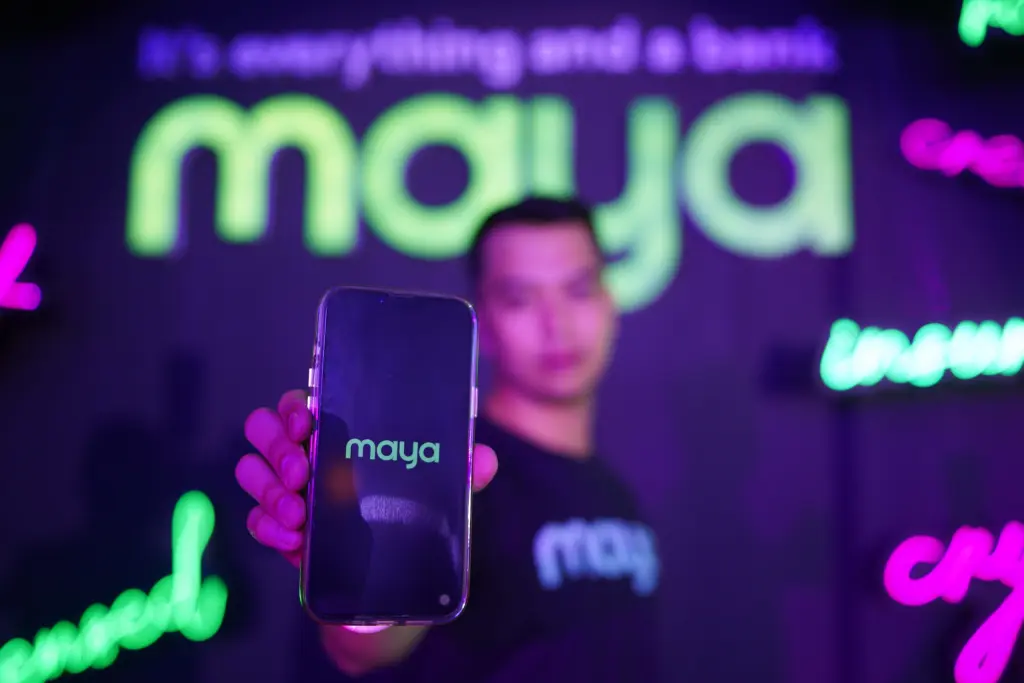
Photo credit: Maya
Bolstered by prepaid mobile credits
Originally known as PayMaya, Maya was founded in 2007. However, it started seeing exponential revenue growth only in 2020 when the whole country shifted online due to the Covid-19 pandemic. In 2023, the company posted roughly 9.4 billion pesos (US$168 million) in revenue, 70% more than in 2020.
As the pandemic recedes into the past, Maya’s earnings continue to grow strongly, logging a 30% revenue increase in 2023 compared to 2022.
Around 57% of this revenue comes from the sale of prepaid mobile credits.
Other services offered by Maya include bill payments, money transfers, gaming top-ups, and crypto purchases.
While the sale of prepaid mobile credits dipped 4% year on year, the company’s 2023 revenue was bolstered by an over 2x increase in merchant service fees, which rose to US$48 million. These are the fees it collects from Mastercard, Visa, BancNet, and JCB International for debit and credit card transactions.
While growing revenue, Maya also lowered its operating costs and expenses by 6.5%. This was mostly due to the company’s increased use of AI and automation in its workflows, a spokesperson for Maya tells Tech in Asia.
As a result, the firm slashed its total losses for the year by 25% to US$109 million.
Meanwhile, its net cash flows used in operating activities were also cut by more than half to US$47 million in 2023.
Maya vs. GCash
While Maya and GCash started off with similar offerings, the two giants have since branched off onto different paths. Operating under telecom company PLDT, Maya has become one of the largest digibank players in the Philippines with Maya Bank, which on its website claims to have the most monthly active users in the country.
GCash, in contrast, doubled down on its e-wallet services. This has led the service, which is owned by Mynt, Globe Telecom’s fintech arm, to become the most popular app of its kind in the Philippines, having 15.7 million active users versus Maya’s almost 2 million, according to figures from Data.ai.
IPO sooner rather than later?
Stay ahead in Asia’s tech landscape
This is premium content. Subscribe to read the full story.
However, much like its Philippine fintech peer GCash, Maya is still biding its time for a potential listing.
We know this is not ideal. ⌛ Sign up in 20 seconds. Cancel anytime.
Our subscriber community includes professionals from these companies:





Stay updated on the go with our mobile app.
Get latest insights with smoother, more personalized experience through TIA mobile app.











📅 Upcoming Events
22 October 2026
Payoneer x CSPN Summit 2026