Xavier Kong · · 2 min read
Tokyo firm lets humans feel what robots touch
Motion Lib, a Tokyo-based startup that develops haptic technology to let humans feel what its robots are touching, will be partnering with Indian IT major Tata Consultancy Services (TCS) to develop a system that’s usable by various industries.
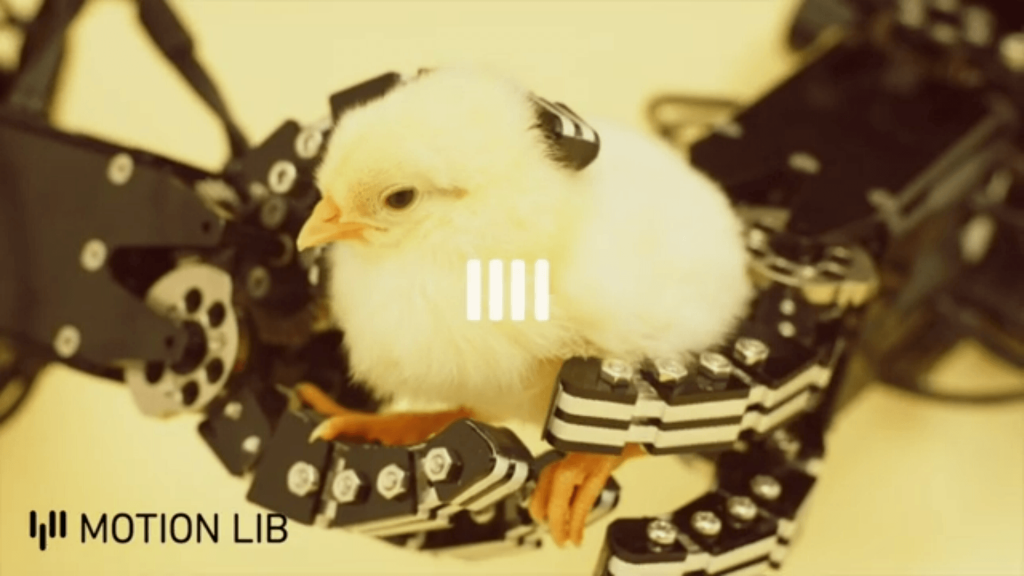
Photo credit: Motion Lib
Launched out of Japan’s Keio University, Motion Lib uses real haptics technology that was first put into practical use by project professor Kohei Onishi, who was also involved in the founding of Motion Lib.
Real haptics is able to simulate minute tactile sensations that allow people to perform more delicate tasks remotely. This is in contrast to conventional haptics systems fail to replicate small differences in tactile resistance.
According to Motion Lib CEO Takahiro Mizoguchi, people unconsciously adjust their strength when they touch or hold something. He calls it “force-tactile sensation,” and it is something that is essential for work that involves physical interaction.
The company’s tech quantifies firmness and resistance through an algorithm, which could potentially be used by doctors to feel patient organs during remote surgeries.
Motion Lib’s partnership with TCS, which could be established as early as this month, aims to launch the system globally in 2024.
“We are looking to commercialize the technology globally within two to three years in partnership with Tata Group,” Mizoguchi told Nikkei.
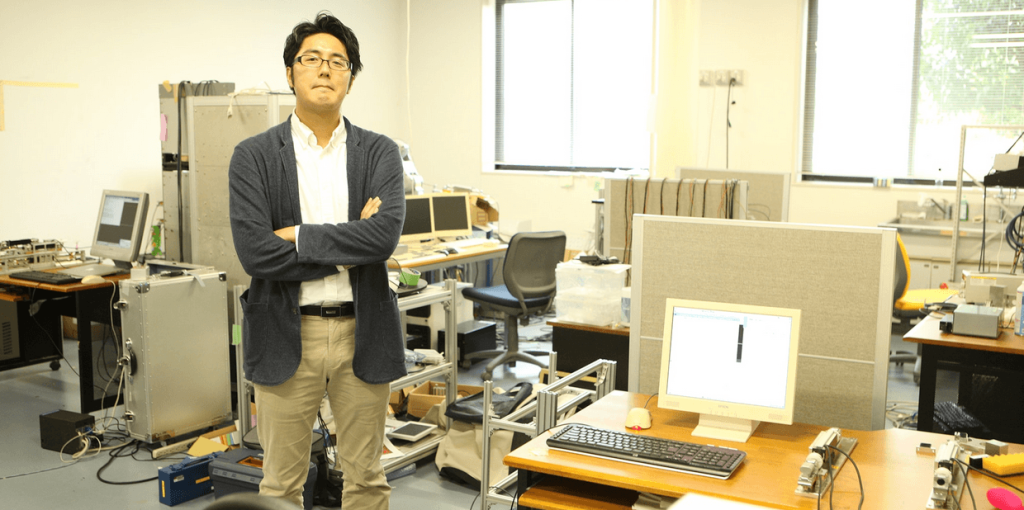
Motion Lib CEO Takahiro Mizoguchi / Photo credit: Keio Innovation Initiative
He also explained that its push to foreign markets is due to Japan’s strict regulations on medical equipment and its lack of a framework for approving tactile devices. “It could take seven to eight years before we can commercialize the technology here,” he added.
Motion Lib is already testing the technology with Japanese companies and research institutions, with projects such as plastering walls remotely for contractors. The firm is also testing a robot for performing Covid PCR tests remotely for healthcare professionals.
See also: Why SEA’s food bots are outshining Silicon Valley at the table
Editing by Miguel Cordon and Joy Tirkey





Stay updated on the go with our mobile app.
Get latest insights with smoother, more personalized experience through TIA mobile app.