Jonathan Chew · · 4 min read
The future of Southeast Asia lies in the middle class
Forget the pond – could you be a big fish in an ocean of opportunity?
For many startups in Southeast Asia, the region’s growing middle class represents a bright future, according to Yiping Goh, partner at McKinsey & Company. In 2020, about 200 million people made up the middle-class population in ASEAN, roughly a 9% jump from the previous year. This signaled a huge increase in potential consumers and opportunities to improve products for firms around the region.
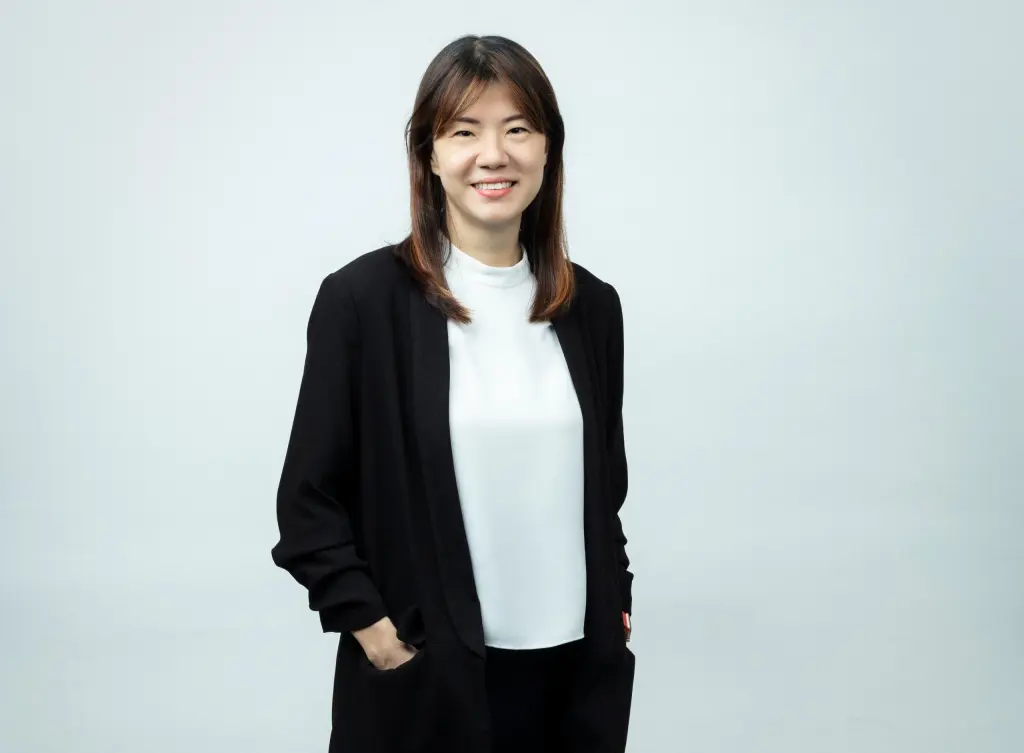
Yiping Goh, partner at McKinsey & Company / Photo credit: McKinsey & Company
Ahead of Goh’s appearance at Tech in Asia Conference 2023, we spoke with her to find out more about what this means for Southeast Asia’s startup ecosystem and her overall thoughts on the region.
The following responses have been edited for clarity and brevity.
1. What do you do at McKinsey?
Over my entire career, I’ve had more than 18 years of experience in building businesses and helping them grow from zero to a few hundred million dollars in revenue. I’ve brought this expertise to McKinsey, where I now work with large companies and established startups to strategize, build, and scale existing and new businesses.
Outside of that, I also play an advisory role for large firms that are considering setting up founding teams and raising external capital for corporate spin-offs.
2. How do you view the startup ecosystem in Southeast Asia right now?
Startup activities in Southeast Asia date back all the way to the early 2000s. However, back then, many angel investors and venture capitalists did not recognize the region’s full potential.
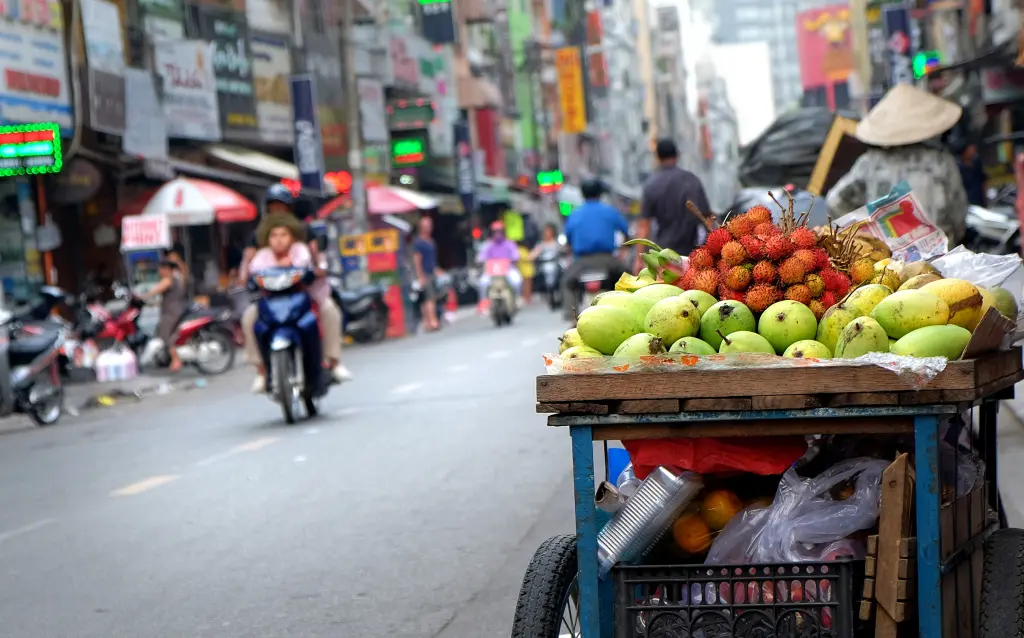
Photo credit: 123rf
Fast forward till today, and Southeast Asia is home to more than 23,000 startups and 53 unicorns. I feel like the startup scene has remained robust, even despite the current tech winter. For all stakeholders in the region, I believe that there’s still untapped dry powder and opportunities for growth.
3. Why do you think Southeast Asia is a bright spot in the tech industry?
The biggest thing for me is that Southeast Asia is home to a rapidly growing middle class. For both small and large firms, this represents a huge addressable market and a significant opportunity – a bigger consumer base is always a good thing, not to mention having more chances to test and develop their products even further.
Against this backdrop, I’ve also seen an increasing number of corporate-owned ventures that are thinking of expanding beyond their core business and domestic markets, and are now looking to reach new consumer segments.
4. What are you going to talk about at the TIA Conference and why is it important?





Stay updated on the go with our mobile app.
Get latest insights with smoother, more personalized experience through TIA mobile app.