- Premium Content It takes our newsroom weeks - if not months - to investigate and produce stories for our premium content. You can’t find them anywhere else.
 Terence Lee · · 5 min read
Go-Jek’s subsidies are a potent tool to gain market share. Keeping it is another matter.
The war to become Southeast Asia’s dominant superapp is turning white-hot.
Go-Jek’s launch in Singapore has been controversial as it had allegedly scraped Grab’s map data. Go-Jek did not deny this, and lawyers say that the Indonesian firm may be liable for violating copyright laws.
While data scraping may have sped up Go-Jek’s launch, it has an even more powerful weapon that may turn its underdog status into an advantage.

Illustration: Centaine Lim
Let’s say you’re a new player in a price-sensitive market. The best way to gain market share over a dominant player isn’t ads. It’s promotions and subsidies.
“As a smaller player, you definitely want to subsidize. It makes sense in terms of capital leverage,” says a former Uber executive in Southeast Asia who asked to remain anonymous. “If the other player wants to match your subsidies, they will have to fork out a lot more. It’s a tough spot for the larger player.”
Suppose you give a user a US$5 discount for each ride. You reach 1 million rides in your first month. That amounts to a cost of US$5 million.
Now, let’s say you’re the market leader. You’re doing 50 million rides a month. If you want to match the prices of the new player, you’d need to foot a hefty US$250 million bill.
This is why subsidies are the fire starters that allows upstarts to gain market share quickly and cheaply.
On the flipside, could this be the reason why Grab is steering clear of promos as a means of fending off Go-Jek?
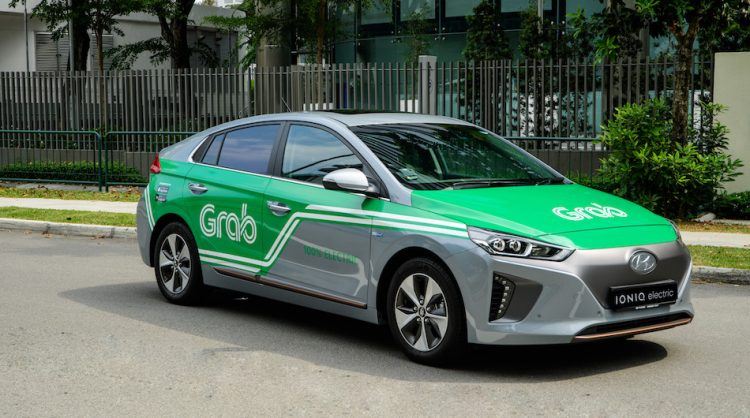
A Grab-branded electric Hyundai Ioniq car / Photo credit: Grab
A person with knowledge of Grab’s plans tells Tech in Asia: “We don’t view subsidies solely through the lens of cost. We ask ourselves, ‘Is it strategic? Will it lead to long-term customer engagement and loyalty?’”
Subsidies have been found to have a fatal flaw: they don’t necessarily lead to repeat users. Instead, Grab is prioritizing ways of adding value to users that would also bring them back again and again to the Grab ecosystem.
It’s raining subsidies
Shift in tactics
Stay ahead in Asia’s tech landscape
This is premium content. Subscribe to read the full story.
Let’s say you’re a new player in a price-sensitive market. What’s the best way to gain market share over a dominant player?
We know this is not ideal. ⌛ Sign up in 20 seconds. Cancel anytime.
Our subscriber community includes professionals from these companies:





Stay updated on the go with our mobile app.
Get latest insights with smoother, more personalized experience through TIA mobile app.