We usually judge tech events by what we see on stage: the keynote speakers, the big announcements, and the highlights that create a buzz on LinkedIn the next day. But anyone who has spent enough time in this ecosystem knows the “event” is rarely where real impact is made.
It takes shape in the quiet weeks that follow. It surfaces from the follow-up messages that feel a little awkward at first, or the conversations that pick back up a month later. It emerges from the introductions that don’t lead anywhere today but quietly change a company’s trajectory six months down the line.
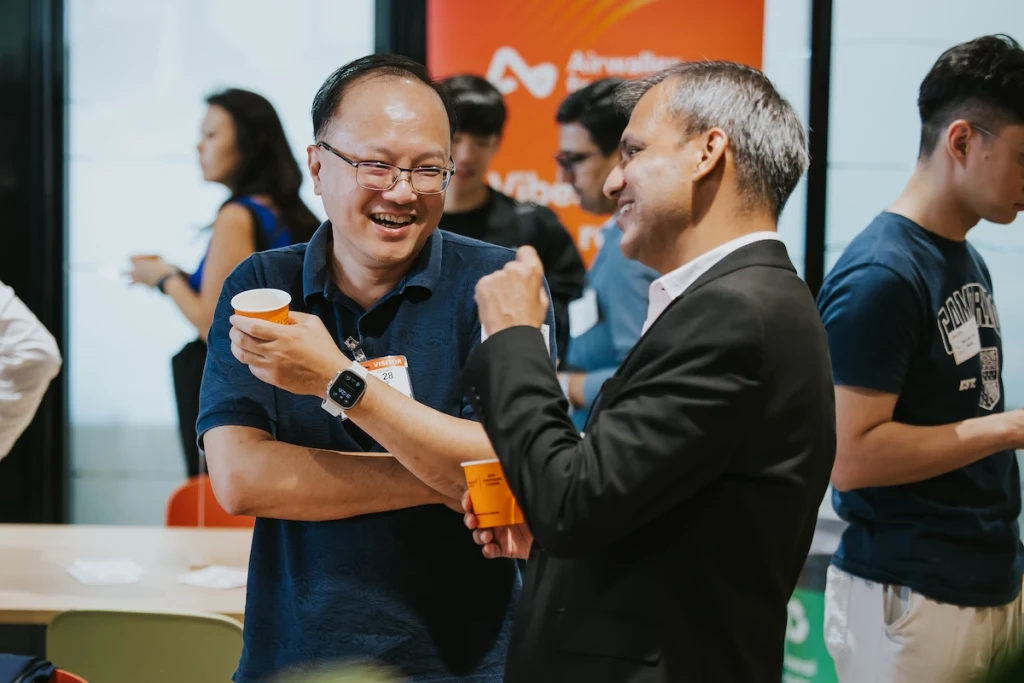
Photo credit: Tech in Asia
Most of these breakthroughs never make the headlines. They are the connective tissue of the industry – the vital, invisible stuff that keeps everything moving – and yet they are rarely documented.
We see this pattern in the region’s most significant shifts. Consider the rapid integration of the electric vehicle supply chain in Southeast Asia. The public sees only the grand opening of a factory, not the groundwork laid months prior in the VIP lounges and the sidelines of industry summits.
It is in these settings that regional players like Indika Energy or global giants like VinFast find the local partners they need to navigate complex regulatory landscapes. In these foundational moments, a proper introduction neutralizes the risk of entering a new market.
This is exactly what happens at Tech in Asia events – it is less about the immediate handshake and more about the long-term momentum.
This invisibility comes at a cost, however. When impact is not visible, it’s easy to assume it does not exist. This creates a disconnect that ripples through the region.
Policymakers struggle to justify continued support when they can’t see the tangible return on investment. Large institutions and state-owned enterprises hesitate to lean in because the outcomes appear abstract. Even investors witness plenty of activity but fail to see the continuity.
Over time, the narrative shifts toward spectacle rather than substance. The ecosystem then ends up undercounting its own value.
The stakes have changed. Asia’s tech scene has matured, and governments and corporate giants are no longer just observers – they are active stakeholders expected to innovate and collaborate.
This transformation brings a new set of questions. It’s no longer about how many people showed up but what actually moved forward. Too often, the honest answer is that more is happening than we can easily show.
There’s a cultural hurdle here as well. Many founders hesitate to talk about progress unless it is definitive. If a deal is still in the works, it feels too premature to share.
But ecosystems are built on momentum, not just finalized agreements. A mere introduction can unlock a closed market, while a single conversation can fix a broken roadmap. At the same time, it takes just one pilot to open the door to a decade of collaboration.





Stay updated on the go with our mobile app.
Get latest insights with smoother, more personalized experience through TIA mobile app.












📅 Upcoming Events
22 October 2026
Payoneer x CSPN Summit 2026