- Premium Content It takes our newsroom weeks - if not months - to investigate and produce stories for our premium content. You can’t find them anywhere else.
 Collin Furtado · · 7 min read
Hooq’s CEO shares his side of the story for the first time
“March 26 was one of the worst days of my life,” recalls Peter Bithos, former Hooq chief exec and current CEO of Seek Asia. It was the day he broke the news to his team that Hooq was shutting down.
Before that, a “very difficult” meeting had taken place where the board of directors – which included representatives from Singapore telecoms firm Singtel – decided to liquidate the company.
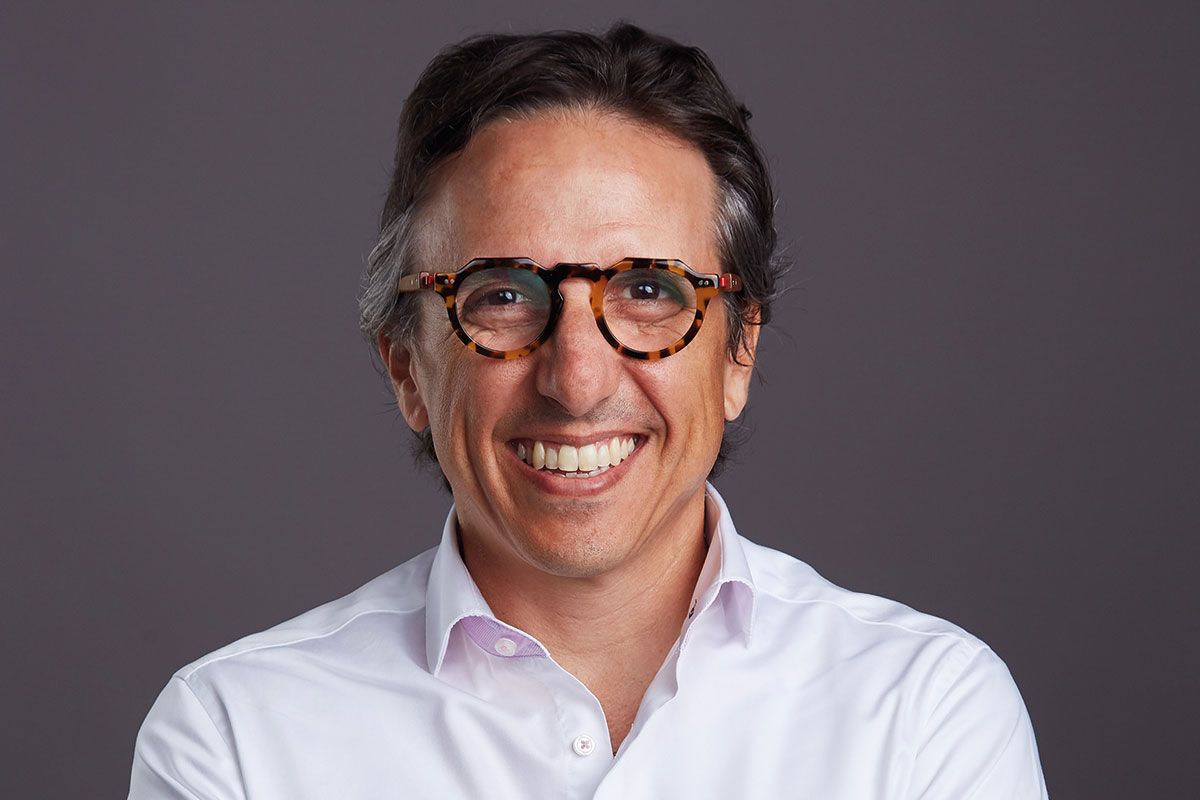
Seek Asia’s new CEO Peter Bithos / Photo credit: Seek
Sharing his side of the story for the first time during this year’s Tech in Asia Conference, Bithos said they had worked on several “strategic events” – including increasing the shareholding in Hooq and its sale – to drive the revival of the company in 2020.
But then Covid-19 hit, and any early conversations regarding investments quickly shut down “as people’s risk appetite changed dramatically.”
“By the time we got to late March, it was pretty clear that nothing was going to happen in 2020. So we were faced with putting another US$60 million to US$70 million into the business to just keep it going […] and that was a big call with a speculative outcome,” he explained. At that moment, Bithos and the board decided that it was time to make the hard call.

Hooq – a joint venture that involved Singtel, Warner Bros., and Sony Pictures Television – was a big contender in Southeast Asia’s video-streaming wars. But intense competition, pain points in the content ownership and distribution dynamics, and ultimately the drying up of funds saw the company’s runway cut short five years later.
The video-streaming company liquidated at the beginning of this year after recording US$62.5 million in losses in its 2019 fiscal year. By then, Singtel had pumped in at least US$127.2 million in capital, according to regulatory filings. Industry analysts and a former employee, however, place that figure at US$250 million instead.
What went wrong?
When Hooq launched in 2015, the video-streaming space was a blank slate in Southeast Asia, with no Netflix, Amazon Prime Video, or Hotstar. It was unclear how the value chain would evolve, said Bithos.
Independent platforms were the first to arrive in the video-streaming market, followed by services owned by content producers. But in the end, the latter eventually won out as they dictated the terms for revenue generation in the video-streaming space. “Anybody who owned an independent platform, almost to a unanimous degree, has either struggled or is no longer in the game,” he said.
While Hooq had launched with aggression, the team realized by the end of that year that they needed to pause expansion to concentrate on the company’s five existing markets – Singapore, Indonesia, Thailand, the Philippines, and India – and just keep working on its business model.
“One of the things I’m proud of is the rate of iteration that we went through in a rapid five-year period,” said Bithos. While Hooq initially started as a premium subscription service, it quickly learned that the model wouldn’t work in emerging markets. In 2016, it shifted to running a freemium service instead.
The key to scaling successfully
A difficult lesson
Stay ahead in Asia’s tech landscape
This is premium content. Subscribe to read the full story.
Former Hooq CEO Peter Bithos shares his side of the story for the first time on what went wrong at the video-streaming service that led to liquidation.
We know this is not ideal. ⌛ Sign up in 20 seconds. Cancel anytime.
Our subscriber community includes professionals from these companies:





Stay updated on the go with our mobile app.
Get latest insights with smoother, more personalized experience through TIA mobile app.








📅 Upcoming Events
22 October 2026
Payoneer x CSPN Summit 2026