Osman Husain · · 6 min read
Inspired by Amazon, this engineer quit his job and started a niche ecommerce venture
After graduating from Purdue University in the mid-1990s, Pakistan-born entrepreneur Usman Siddiqui accepted a software engineer job in Dallas, Texas. His time in the US meant he was exposed first-hand to the rise and subsequent growth of technology startups and he yearned to emulate the model. Not one to shy away from a challenge, Siddiqui quit his job to be closer to his family, moved back to Pakistan, and started exploring the possibility of building a startup in the country.
“Ecommerce platforms such as Amazon were taking off in the US. I had an interest in technology ventures and felt they could work in Pakistan too,” says Siddiqui.
The first venture he launched was The Readers Club. He brought Jawad Yousuf, an old college friend, on board as a co-founder.
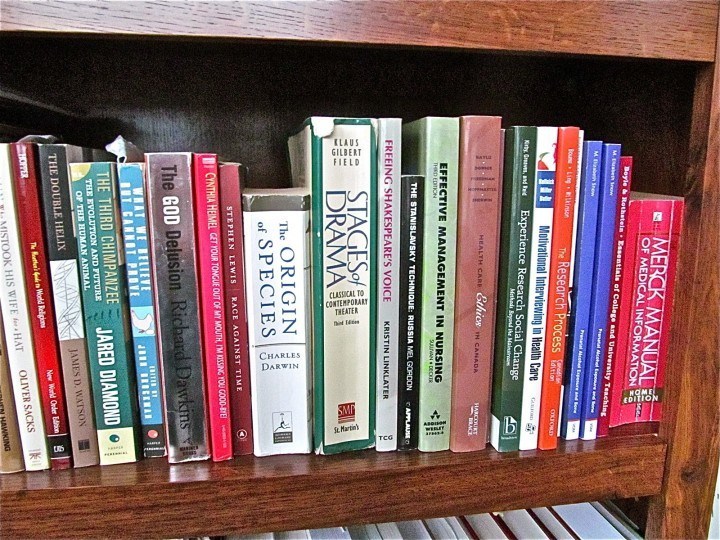
The basic problem Siddiqui wished to solve through The Readers Club was the lack of access to books and reading material faced by most Pakistanis. Public libraries are few and far between, and almost all are mired in decrepit conditions. New books are prohibitively expensive and therefore only in the reach of the upper-middle class. Rather than launching a store, the idea is that The Readers Club is a kind of online library.
“From day one we’ve wanted to make access to books easier. Money is important, but a by-product,” he explains.
Trust issues
Siddiqui knew that the only way his idea would succeed was if it managed to attract a large amount of users. At the same time, he felt people would have difficulty trusting an unknown peer-to-peer service with their own personal book collections. Along with his co-founder, Yousuf, he took the bold step of pooling in all his own books so people would start trading and trusting the service. It worked. Users started signing up and requesting books, eventually listing their own collections as well for others to read.
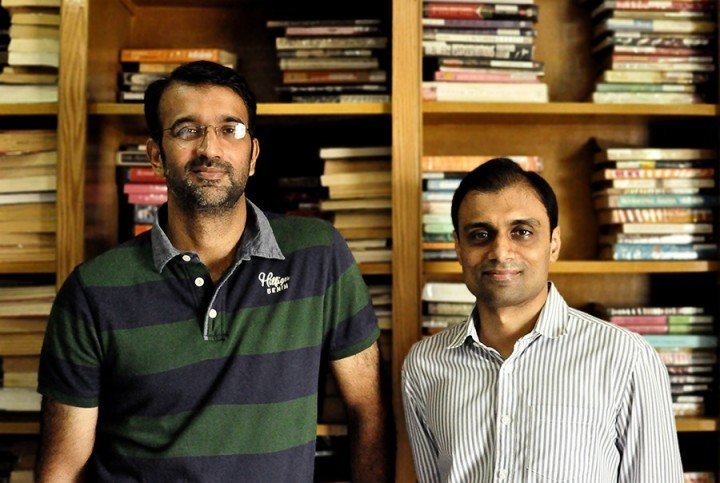
Founders Yousuf (left) and Siddiqui (right)
Today, the site has over 5,500 books available to borrow, and Siddiqui regularly organizes book club meetings to keep literary traditions alive. “Many philanthropists have donated their collection, and we count influential journalists, doctors, and lawyers as part of our community,” he adds.
Despite having been in operation for several years now, the startup hasn’t spent any money on advertising or marketing. They’ve relied on word-of-mouth and some media coverage to spread the message. However, the goodwill enjoyed by The Readers Club allowed Siddiqui and team to branch out in their second venture, Kitabain.
Lots of members started asking us whether they could purchase books as well. We weren’t a bookstore, more of a rental service. But when we saw there was sufficient need, that got us thinking.
Turning a page
Siddiqui wanted the new venture to function on the basis of a marketplace as well. He leveraged his existing relationships with retailers to convince them to start selling online through the store. To make the process easier, he allowed sellers to automatically upload their inventory, including product descriptions and images. “We wanted to make it hassle-free and encourage users to take ownership of the site,” he explains.
Tuning into audiobooks





Stay updated on the go with our mobile app.
Get latest insights with smoother, more personalized experience through TIA mobile app.