- Insights This article was written by a TIA community member. Insights pieces undergo the same rigorous editorial process that newsroom-produced articles have.
 Daniel Song · · 5 min read
A word on how Southeast Asian startups should build a Singapore entity
This article is from an episode on Asia VC Cast, a podcast hosted by Daniel Song. This is heavily revised from the original show transcript. For the full interview, go here.
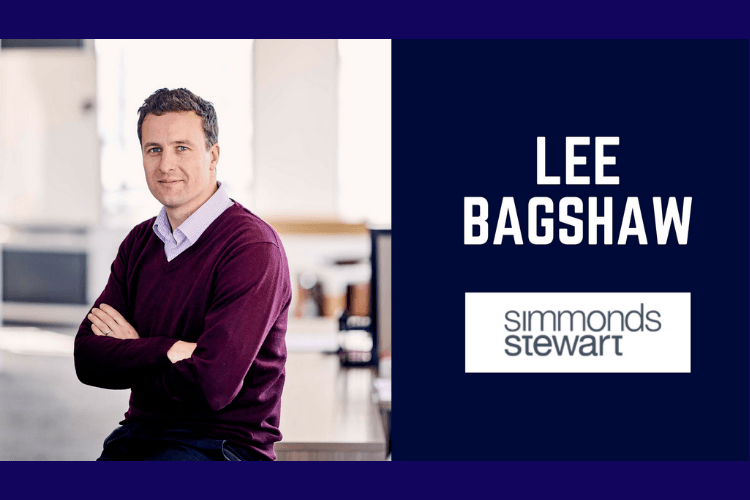
Lee Bagshaw is a partner at Simmonds Stewart, a boutique law firm providing corporate and commercial advice to tech companies and investors in New Zealand, Australia, and across Southeast Asia. He has advised on over 300 financing and M&A transactions in Southeast Asia in the last few years.
Bagshaw has considerable expertise on seed investments, series A, series B, and larger funding rounds, as well as great insights on regional trends when negotiating equity investment documents, convertible notes, or venture debt financing. Last year, he released a video series on how to negotiate a series A term sheet in Southeast Asia.
Here’s our conversation.
Could you tell us about your background and how you became part of Simmonds Stewart?
I’ve been a lawyer for around 15 years, spending the first half of my career as a corporate lawyer in London, mainly advising on M&As, initial public offerings, and investment transactions. A lot of those deals involved tech businesses.
In 2011, the firm tied up with a Singapore company, so I moved over to the city-state, where I met venture capital firms and a bunch of startups. In 2015, I moved from Singapore to New Zealand, where I joined Simmonds Stewart. But my clients from Southeast Asia still wanted to work with me, so we did the full circle and opened up a branch in Singapore.
What should founders look out for in a VC term sheet?
Signing the term sheet without taking any advice at all is one of the common mistakes. Term sheets are non-binding, but most VCs don’t really want to wind back on the position that they’ve already agreed in the term sheet. So sometimes, founders have a perception that they can perhaps sort it all out when they get to the long-form documents, but actually most of the real discussion happens in the initial stage.
In terms of what to look at, we always encourage founders to focus on the key economic terms: What are the liquidation preferences and anti-dilution mechanism? Is there anything non-standard about that? How are the control rights impacted by investors coming on board? What are the veto rights?
I guess one general tip would be that don’t agree on something now that might set a precedence in the future. Most startups raise multiple rounds, and if you agree on something that’s quite onerous, when the next-round investors come in, that can be an issue of them wanting the same or even superior rights. Of course, these can get magnified when you raise larger amounts.
What’s a term that many founders and VCs tend to go back and forth on?
First is vesting, which can be quite sensitive for founders, particularly those who have dedicated quite a bit of time to the business and have been putting in their own money. When they get to a funding round, it can be quite uncomfortable to feel like a large portion of their shares are not unconditionally owned. That’s also one area where lawyers argue about the circumstances of departure and all that kind of thing.





Stay updated on the go with our mobile app.
Get latest insights with smoother, more personalized experience through TIA mobile app.









