 C. Custer · · 2 min read
China to start seriously enforcing real-name mobile registration, government claims
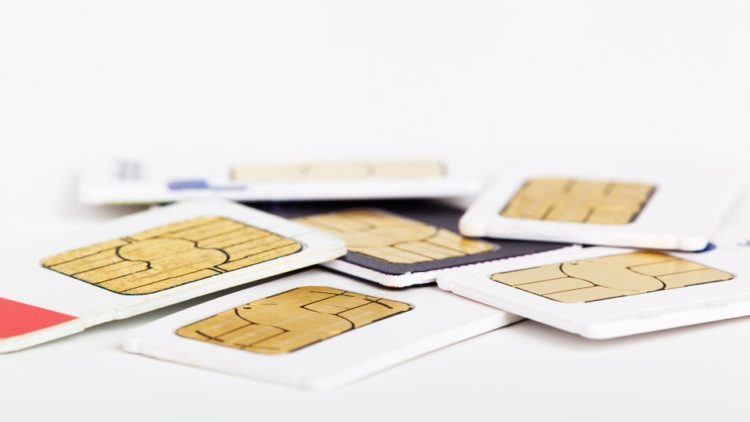
Photo credit: Pixabay.
This time, they’re serious. That’s a claim we’ve heard before, but perhaps the fifth or sixth time will be the charm: China is finally really cracking down on mobile phone real-name registration. By June 30, 2017, China’s Ministry of Industry and Information Technology (MIIT) says, everyone in China will be using a real-name registered SIM card in their mobile phone. And yes, that includes you, foreigners!
This isn’t exactly a new phenomenon. China’s government has been saying that everybody needs to register their phones with their real names since at least 2010. But despite repeated assertions year after year that things were finally getting serious, enforcement has always lagged well behind official rhetoric. At the time of this writing, six years after the real-name rules were first announced, there are still an estimated 100 million people who haven’t tied their SIM cards to their real identities.
The problem, according to the official China News Service story, is old users who got their SIM cards before the rules were put in place and haven’t yet upgraded their service or been forced by their mobile carrier to provide indentity information. Those 100 million users, the government says, will be found and instructed to update their info before next year’s June deadline.
If China actually gets everyone registered, the next question will be how many registrations are accurate.
That may not actually solve the problem, though. Enforcement standards may be higher with some carriers now, but for years after the real-name requirements, all you had to do was provide a Chinese state ID number – any state ID number. When I bought a new SIM card in Beijing sometime around 2011 or 2012, the man who sold it to me said that his system wouldn’t accept foreign passport numbers, so he just typed a random Chinese state ID number (his own, perhaps) into the system.
Even if you were Chinese, stolen or leaked state ID numbers aren’t difficult to find online and small local sellers (like the guys in streetside newsstands) rarely bothered to check IDs or compare faces with ID photos. So once China actually gets everyone registered – if China gets everyone registered – the next question will be how many of those registrations are actually accurate.
That number will likely be lower than Chinese authorities want. As one Sina Tech commenter put it: “I’m real-name registered, but it’s somebody else’s real name.”





Stay updated on the go with our mobile app.
Get latest insights with smoother, more personalized experience through TIA mobile app.











📅 Upcoming Events
22 October 2026
Payoneer x CSPN Summit 2026