- Premium Content It takes our newsroom weeks - if not months - to investigate and produce stories for our premium content. You can’t find them anywhere else.
 Collin Furtado · · 7 min read
Kumu’s struggles: Layoffs, departures slash workforce by almost half
Candice Lee also worked on this story.
Kumu, a livestreaming app headquartered in the Philippines, has seen its headcount reduced by over half after three rounds of layoffs, multiple sources tell Tech in Asia. While two rounds of retrenchment took place last year, a third happened in March.
Before the most recent round of layoffs, Kumu founder and CEO Roland Ros told employees on March 7 that “things could get worse” and asked them if they were “still up for the challenge.”
If not, the leadership’s lines were open to discussing a “soft landing” to help them find a new home. “There is no shame in taking this option,” said Ros. Tech in Asia has reviewed this email.
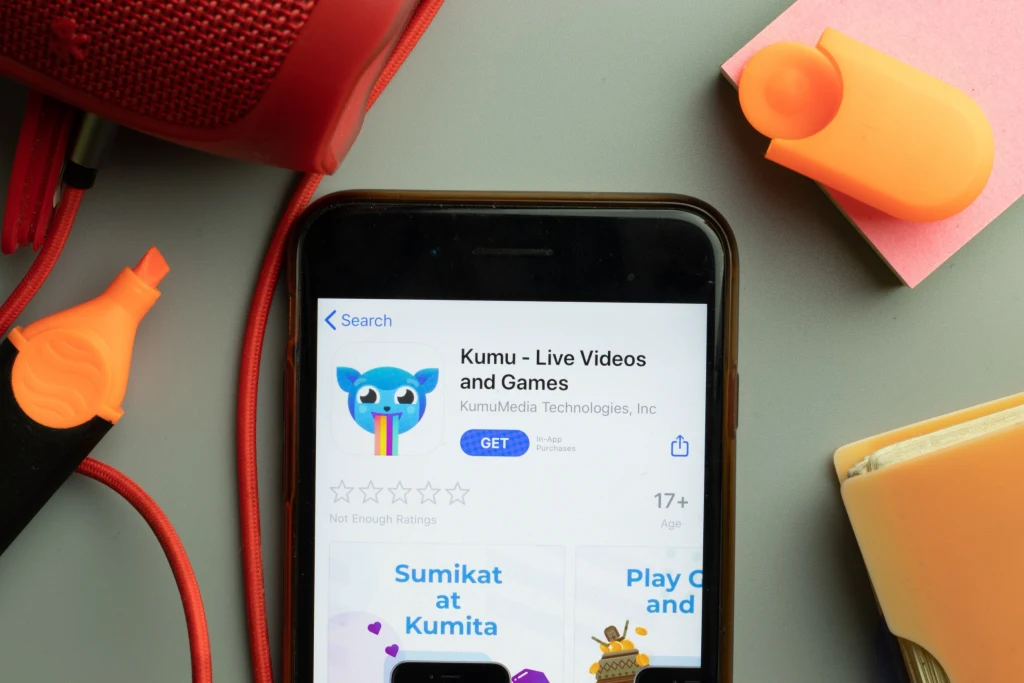
Source: deadburnett / 123RF
The company has confirmed with Tech in Asia that it has reduced its headcount to 280 employees from a little over 500 at the start of 2022. Kumu says this was a result of both layoffs and voluntary resignations.
While it is true that some staff members have resigned, a large number of employees were dismissed as per our sources. The cuts affected departments and offices in China and the Philippines.
Tech in Asia spoke with 10 sources on the condition of anonymity.
Kumu has also restructured its departments following the layoffs and has brought on board “consultant partners” who have worked in the livestreaming industry, according to another email sent by the company to its staff that was reviewed by Tech in Asia.
Many of these consultant partners are from China, where the livestreaming industry is more mature than in the Philippines.
At least seven top executives, including six vice presidents and a chief revenue officer, have exited the company.
So what went wrong at Kumu to merit several rounds of layoffs?
Bets that didn’t pay off
“The company made a lot of big bets that didn’t pan out and left them vulnerable,” says Kaysha (name changed), an ex-employee of Kumu.
In 2020 and 2021, the company spent on content partnerships to create premium intellectual properties such as Pinoy Big Brother: Kumunity, where it tied up with local media firm ABS-CBN. It also paid out huge sums to top livestreaming influencers during this period to acquire users.
Course correction issues
Stay ahead in Asia’s tech landscape
This is premium content. Subscribe to read the full story.
The Philippine livestreaming platform has seen big bets not panning out and ex-employees alleging that frivolous spends costed the firm.
We know this is not ideal. ⌛ Sign up in 20 seconds. Cancel anytime.
Our subscriber community includes professionals from these companies:





Stay updated on the go with our mobile app.
Get latest insights with smoother, more personalized experience through TIA mobile app.