Michael Tegos · · 5 min read
This Singapore startup has grown globally with its image recognition tech
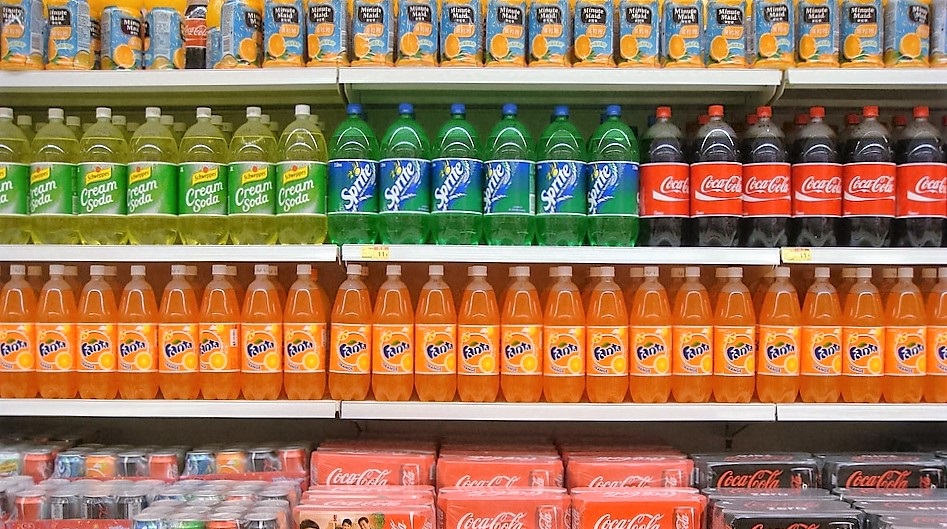
Photo credit: evelynlo.
When talking about technological innovation and the way it tends to rewrite the rules of particular industries, the area of fast-moving consumer goods (FMCGs) – things like drinks and processed foods – is not generally one of the first ones we think about. But as with many tech wonders that have entered our everyday lives, the things that make the most impact are often the ones we didn’t know we wanted – or, in this case, what FMCG companies wanted.
One Singaporean company is bringing this kind of change to some of the world’s largest distributors and retailers of such items. Trax has developed computer vision tech that, among other things, allows FMCG suppliers to keep track of their products on retailer shelves.
Maximum visibility
The problem, Trax CEO Joel Bar-El tells Tech in Asia, is that companies like Coca-Cola and Procter & Gamble expend a lot of resources to ensure shelf space and specific arrangements of their products at retail locations. Within the industry, the arrangement and positioning of products in a store is called a planogram, and it helps achieve maximum visibility and increased sales for what a company is peddling.
The user snaps a picture of the shelf and uploads it through Trax’s mobile app. The online engine analyzes the image.
If you think that doesn’t sound like a big deal, guess again. “FMCG companies today spend about US$70 billion over shelf merchandising standards, buying shelf space and marketing materials, promotions, exhibitions, and so on,” Joel says. “So we help them monitor the market.”
Before this, companies were only able to keep tabs on their in-store products with manual surveying. This meant that a person with pen and paper was visiting stores and standing in front of shelves to check that everything was as expected. “The information [gathering] was inaccurate, lengthy, and costly,” Joel says.
This particular use case for Trax is called planogram compliance. It is achieved through fine-grain recognition, a branch of image recognition that can help computers tell two very similarly shaped products apart (for example, a can of beer from a can of soda).
“While other services can classify products into the same family, this is really to distinguish different members of that family from one another – even if they are very similar or identical [to each other],” Joel says. He adds that the tech can even tell scale, which other computer vision algorithms can’t.
Trax does that with a mobile app, which means even a garden-variety smartphone camera can be used to do the trick. The user simply snaps a picture of the shelf and uploads it through it. A few moments later, the online system has analyzed the image, returned with a digital version of the shelf, and produced a report on what it contains.
“Every large company has between 50,000 and 150,000 sales reps that go into stores day in and day out to ensure specific standards are being met,” Joel says.
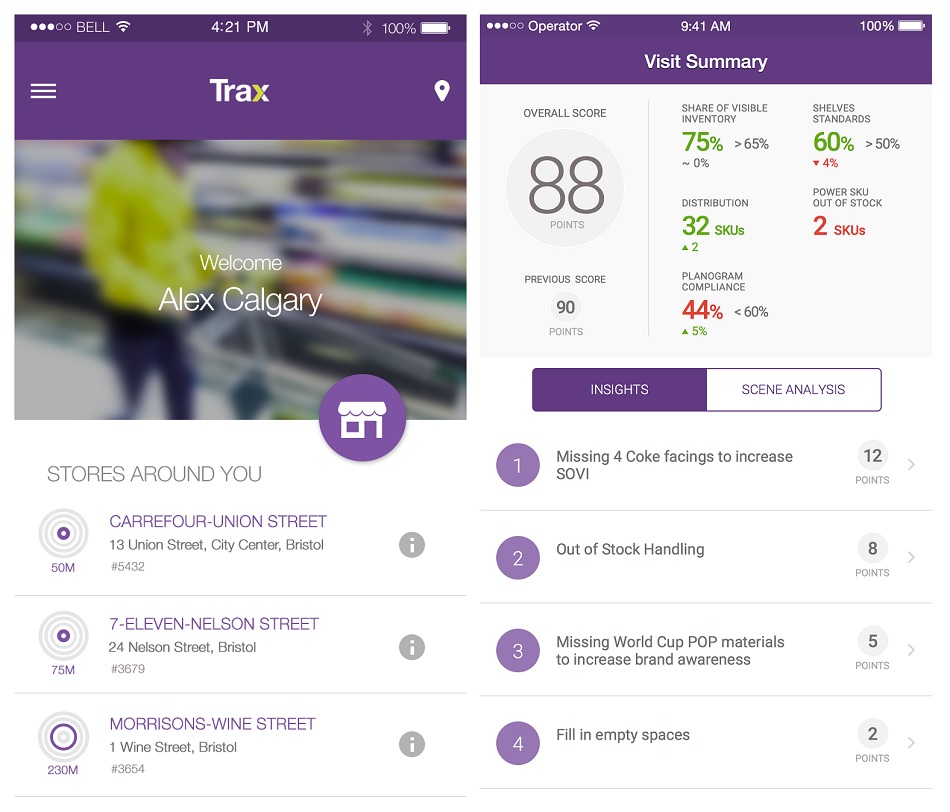
Trax’s mobile app in action.
However, Trax can use the technology for more than that. “We are placing it in the hands of consumers,” Joel explains. “Retailers integrate it in their loyalty apps, and then consumers can look at the shelf digitally and can make smarter choices.”
Global from day one





Stay updated on the go with our mobile app.
Get latest insights with smoother, more personalized experience through TIA mobile app.