 Nadine Freischlad · · 4 min read
Kopernik brings low-cost tech to remote parts of Indonesia, improves livelihoods
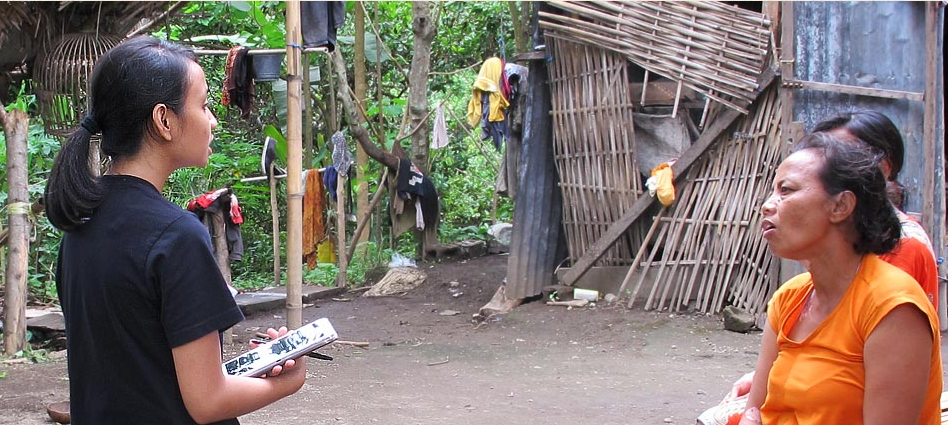
Kopernik is not a startup, but it’s a technology company in the literal sense. It helps distribute simple yet life-changing technologies to communities at very remote parts of the world. Currently the most sought-after items in their portfolio are water filters, solar powered lights, and cooking stoves.
The non-profit is headquartered in Bali and was founded by Toshi Nakamura and Ewa Wojkowska five years ago. Both co-founders have a decade of experience working at the United Nations Development Programme. This is where they first noticed the positive effects technology can have in helping off-grid communities, and they decided to focus their attention entirely on this idea.
“We saw that these great technologies existed, like solar-powered lights or even healthcare technologies,” says Wojkowska. “We wanted to connect technology makers with the people who need them. Our strength lies in mobilizing the money to make that happen.”
Kopernik is set up as a social enterprise. This means it is a non-profit organisation with a profit arm. The for-profit part is a consulting firm working with technology companies in product development. Profits from the consulting business are channeled toward the non-profit operations.
“We need the non-profit model because we want to serve the most difficult places that nobody gets to. It is really expensive to transport goods there. From a market perspective, it doesn’t make sense. As a non-profit, we can continue to focus on this,” explains Wojkowska.
Kopernink also sources funds in the form of donations from companies, foundations, government development programs, and individuals.
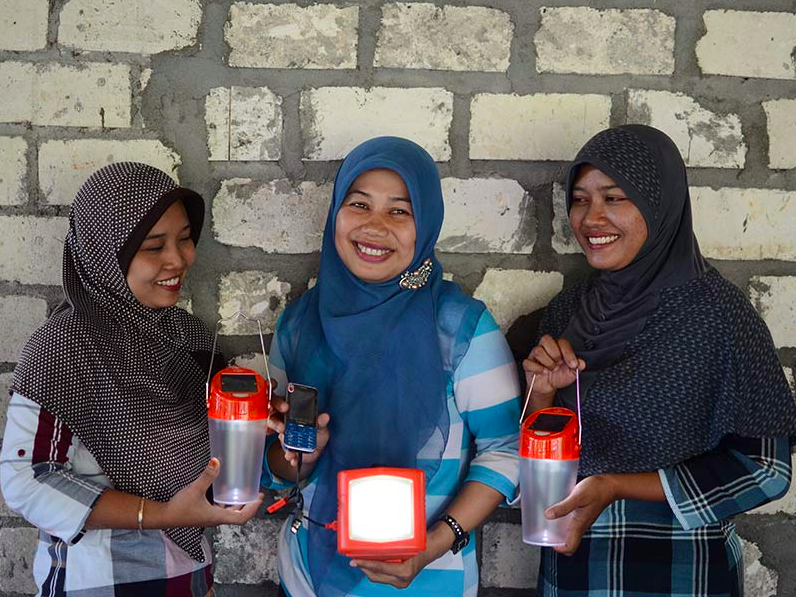
Women from Kopernik’s “wonder women” network
While Kopernik also has some projects in other parts of the world, its main activities are in remote areas of Indonesia, specifically the islands in the east of the archipelago. Wojkowska says there are now some 70 people working for the organization, which includes both the for-profit consultancy and non-profit projects.
Wonder Women to distribute tech at the last mile
But beyond sourcing and distributing technology to communities most in need, they have branched out and developed additional activities. One major program currently run by Kopernik is called “wonder women”. With this program, Kopernik is essentially building a distribution network for its technologies. Rather than distributing the items to the remote communities themselves, Kopernik trains women in rural areas to become sales agents. In little tech kiosks these women sell Kopernik’s useful technology items on commission.
According to Wojkowska, there are now about 300 women in this network, and they have sold a total of 10,000 items to rural communities. The cost of these items, Wojkowska says, ranges from US$15 for a basic solar light or water filter, to about US$25 for a cooking stove, and up to US$120 for a more complex off-grid lighting system.
Digital tools to help NGOs measure impact





Stay updated on the go with our mobile app.
Get latest insights with smoother, more personalized experience through TIA mobile app.











📅 Upcoming Events
22 October 2026
Payoneer x CSPN Summit 2026