This post was previously published by our friends at Ignition. It has been modified from the original.
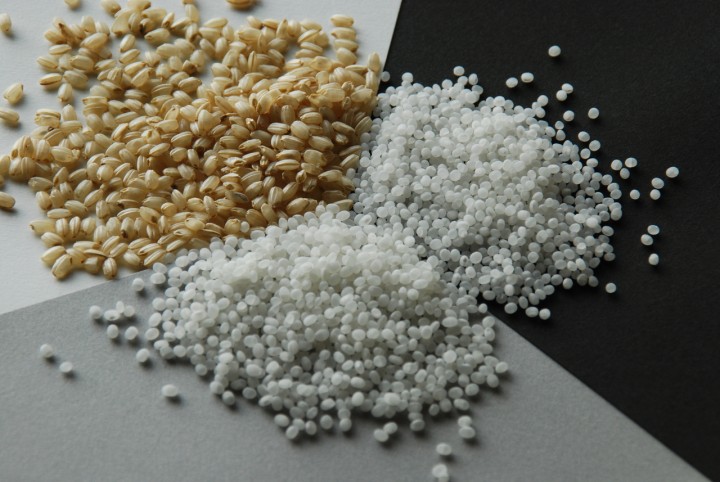
Regular rice (left) and sake rice (right)
In 2013, Japanese cuisine was officially recognized as a world cultural heritage and its fan base continues to grow every year. Riding on the same trend, interest in Japanese alcoholic beverages has also been on the rise with sake (rice wine, pronounced “sah-keh”) being one of the most popular choices. However, for brewers this sudden increased interest presents a rather difficult problem – there isn’t enough sake rice to meet current demand. To solve this dilemma, Dassai Sake maker Asahi Shuzo teamed up with IT and electronics firm Fujitsu to find a solution.
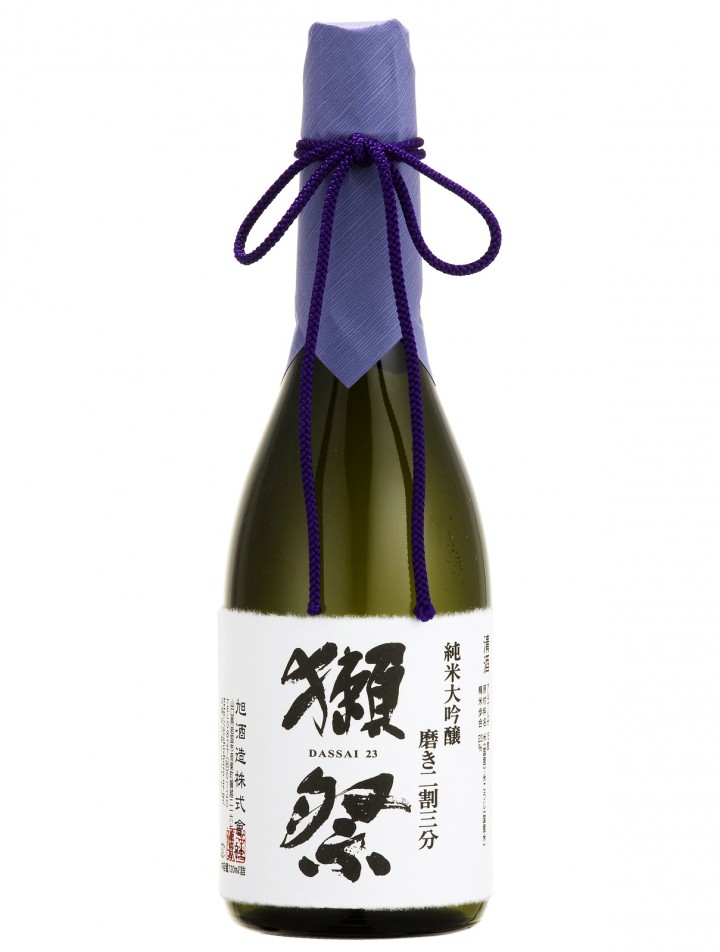
Dassai, is one of Japan’s top sellers
Asahi Shuzo lends a helping hand to sake rice growers
Asahi Shuzo is a brewery based in Yamaguchi Prefecture, Japan. Their Dassai Sake brand is proving to be a hit both domestically and internationally, surpassing sales figures from a decade ago by tenfold. To keep up this momentum, they need plenty of rice.
The rice we eat and the rice used for sake are two completely different kinds. The most widely used variety of sake rice in the industry is Yamada Nishiki. Used and loved by many brewers, including Asahi Shuzo, the grain was developed in 1936 in an agricultural testing center from Hyogo prefecture.
However, growing taller than its edible cousin means it’s also much more easily affected by the continuous barrage of typhoons that hit Japan during autumn, making it comparatively harder to cultivate.
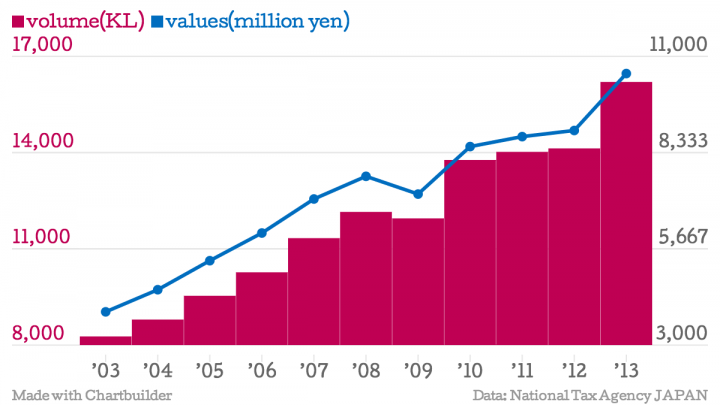
Sake exports are rising but rice supply is not
Asahi Shuzo, looking to meet demand, wanted to increase the number of Yamada Nishiki farmers. As their supply comes from contracted farmers, increasing the number of contracts would result in an increased supply of sake rice. Although simple in principle, agricultural workers are aging and dwindling so most existing farmers are reluctant to take on the challenge of growing a new crop.
Faced with this problem, Asahi Shuzo teamed up with Fujitsu to launch Akisai in 2012. The service acts as a form of information crowdsourcing. It collates useful information regarding farmland and farming techniques which can be applied to various aspects of any given farming business. Its versatility notwithstanding, Asahi Shuzo has plans to utilize the service specifically to increase Yamada Nishiki rice.
Kouji Watanabe, who works on Akisai, gave us his thoughts on the service. “Professor Sakurai [Asahi Shuzo CEO], is really enthusiastic about the service. He’s proud of his Dassai Sake but at the same time, doesn’t want it to turn into a ‘mythical sake’ that nobody can get their hands on. I would say he’s a pioneering individual in that he uses data in producing the sake rather than appointing a traditional master brewer.”





Stay updated on the go with our mobile app.
Get latest insights with smoother, more personalized experience through TIA mobile app.













📅 Upcoming Events
22 October 2026
Payoneer x CSPN Summit 2026