Tintin Dela Cruz · · 3 min read
How Indonesia’s digital economy is responding to infrastructure woes
Indonesia’s young, social, and increasingly wealthy population creates high growth potential for the country’s digital economy.
Players in the startup ecosystem are rolling up their sleeves to address hurdles that are keeping Indonesia’s digital economy from becoming a predicted US$130 billion behemoth.
Logistics and expensive oranges
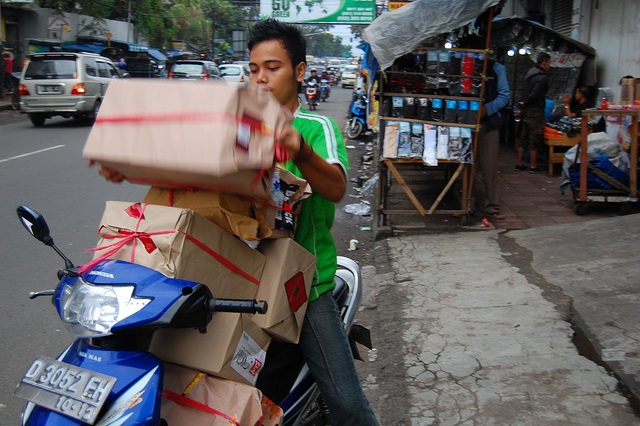
Photo credit: Ikhlasul Ama.
Domestic delivery in Indonesia is more expensive than international shipping into the country.
According to a World Bank report last year, it is cheaper to ship a container of mandarin oranges from Shanghai to Jakarta than to send a similar freight from Jakarta to Padang in West Sumatra, which is only one-sixth the distance away.
Unsurprisingly, unreliable logistics has caused the nation’s ecommerce growth to fall behind expectations. However, with a US$400 million funding from the World Bank, Indonesia’s logistics networks is expected to improve.
Meanwhile, logistics startups continue to offer immediate solutions to consumers. Homegrown motorbike-hailing app Go-Jek has evolved into a logistics service that can traverse through congested roads in 25 cities in Indonesia. Policymakers have recognized the startup’s impact in helping businesses reach more customers and boost revenues.
Homegrown and international logistics startups such as Ninjavan, Lalamove, Anterin, Deliveree also continue to expand.
The recent entry of Chinese tech giants Alibaba and JD.com in Indonesia’s ecommerce market is expected to push established logistics companies to stay on their toes. Alibaba, through China Smart Logistics, has already partnered with Singpost and Indo Post to halve the delivery time for shipping goods from China to Indonesia.
Indonesians need to collaborate on electronic payments

Photo credit: Adam Cohn.
85 percent of the population still use cash transactions. A majority of the population remains unbanked (PDF).
Telcos, banks, and fintech startups have created their own payment platforms to make financial services more accessible.
Different lending startups are also furthering financial inclusivity in the country. Despite the booming startup ecosystem in Indonesia, there are nearly 49 million unbanked SMEs in the country that cannot provide collateral. P2P lending startups such as Amartha, Julo, and Investree aim to serve this sector.
Want to learn more about Indonesia’s digital economy?





Stay updated on the go with our mobile app.
Get latest insights with smoother, more personalized experience through TIA mobile app.