- Premium Content It takes our newsroom weeks - if not months - to investigate and produce stories for our premium content. You can’t find them anywhere else.
 Steven Millward · · 4 min read
Here’s why Alibaba acquired a fast-growing new shopping app
One of the hottest shopping sites on the Chinese web right now has a cute koala mascot and is named Kaola (no, this isn’t a typo). It has become a popular app for buying things from overseas – and that’s a big deal since China’s cross-border ecommerce niche was last year worth nearly US$20 billion, making it a tasty slice of the nation’s total US$1.5 trillion online shopping pie.
Online sales from overseas grew 24% in the past year, outpacing slowing growth in China’s broader ecommerce market.
That’s part of why Alibaba last night said it has acquired Kaola in a US$2 billion deal.
Photo credit: Kevin Grieve / Unsplash
Alibaba is buying up the only app to beat its own cross-border retail feature, Tmall Global. Data from iMedia Research Group shows Kaola held 27.5% of that niche at the last count, while Tmall Global nabbed 25%.
Kaola and its rivals are tapping into growing Chinese demand for foreign brands while at the same time, they’re buying more everyday items like groceries and cosmetics online.
Fast mover
The buyout means Alibaba has to get to grips with something very different from its usual marketplace-full-of-vendors approach to online shopping. That’s because Kaola purchases and imports items directly from overseas brands.
More Kaola facts and stats:
- Imports more than 9,000 brands from 100 countries
- Launched in 2015
- Its shoppers spent an estimated US$4.3 billion in 2018
- Focuses mainly on groceries and other necessities, but also has clothing (including luxury brands) and electronics
- Has warehouses across the US, Europe, Japan, Thailand, and Australia – plus China, of course – for its imports
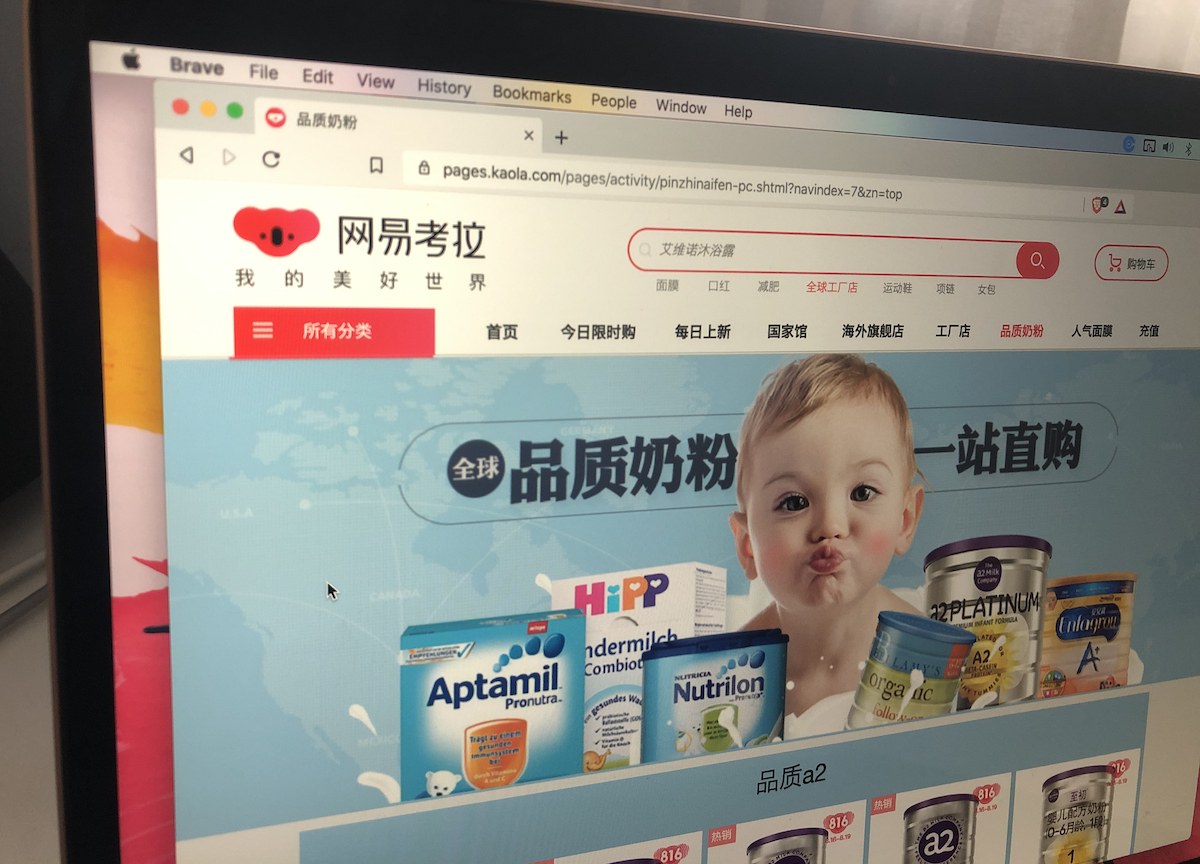
Kaola’s store / Photo credit: Tech in Asia
Direct sales
Kaola’s benefits for consumers:
- Direct sourcing and lack of merchants in theory means no fears about counterfeit products
- Often offers lower prices than marketplace apps due to the lack of middlemen distributors
- No need to input ID number because customs clearance isn’t needed
- Shorter delivery times as the products are already stored in mainland China warehouses
Its record on counterfeits, however, might not be perfect. Earlier this year, a Chinese blogger launched a lawsuit against Kaola over an allegedly fake bottle of cleansing oil.
From gaming to groceries
Stay ahead in Asia’s tech landscape
This is premium content. Subscribe to read the full story.
Kaola has rapidly made a big impact on a US$20 billion ecommerce niche.
We know this is not ideal. ⌛ Sign up in 20 seconds. Cancel anytime.
Our subscriber community includes professionals from these companies:





Stay updated on the go with our mobile app.
Get latest insights with smoother, more personalized experience through TIA mobile app.