- Premium Content It takes our newsroom weeks - if not months - to investigate and produce stories for our premium content. You can’t find them anywhere else.
 Nikki Natividad · · 7 min read
Chatbots have finally arrived in Southeast Asia
It seems like there’s a chatbot for everything.
Need to know if tomorrow will be sunny or rainy? Hit up SG Weather Bot. Want to book a bus to your location? Strike a conversation with Bus Uncle.
The emergence of chatbots is changing customer service in Southeast Asia, promising consumers instant answers instead of being put on hold for hours on the phone or waiting ages for an email.
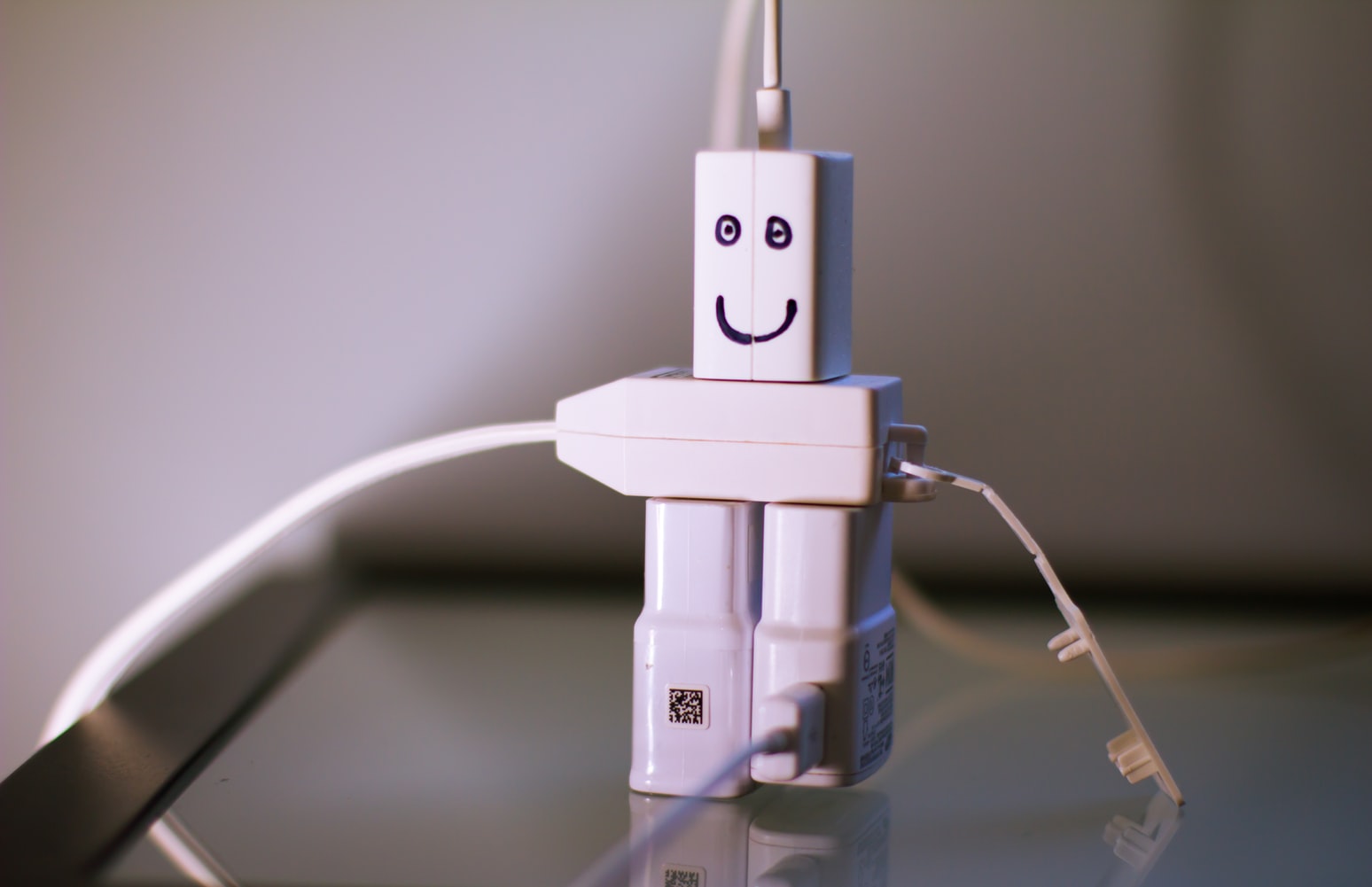
Photo credit: Unsplash
While today’s chatbots have clear limitations and aren’t that smart yet, they’re starting to see widespread adoption across industries.
Their value proposition is obvious. Unlike humans, chatbots don’t need to eat, sleep, or get paid overtime. They’re available 24/7, can respond to queries instantly and are easily accessible through a mobile phone. And to top it all off, they’re relatively cheap and easy to produce.
Chatbots have been around since the 1950s, but they only became a common enterprise tool in recent years. The rise of mobile messaging and machine learning (ML) development tools have made chatbots easier to create and more accessible, even to the average person.
A brief history of chatbots in China
While much of early chatbot experimentation and development happened in the West, China wasn’t too far behind.
In 2013, US-based tech titans were competing against each other with their own iterations of voice-based personal assistants like Apple’s Siri, Amazon’s Alexa, and Microsoft’s Cortana.
But China saw a different opportunity. Around the same time, Tencent’s popular messaging app, WeChat launched a tool for developers to create text-based bots on its platform.
As it turned out, WeChat’s move was instrumental in introducing the concept of customer service chatbots as an organic part of the shopping experience. Then in 2015, Alibaba launched AliMe, an intelligent shopping assistant that merchants could use as a virtual shopkeeper.
All of this happened before social media giant Facebook launched chatbots on its platform.
Today, around 600,000 merchants use AliMe. During Alibaba’s 11.11 Global Shopping Festival in 2017, AliMe shop assistants had 100 million conversations with customers, 15% of which led to sales.
The same technology is spreading across Southeast Asia. Alibaba-owned ecommerce company Lazada launched an AI-powered chatbot called CLEO (Customer Lazada Engagement Officer) in June 2018. According to the company, 75% of its customer care interactions are handled by CLEO today.
Southeast Asia races to follow suit
Stay ahead in Asia’s tech landscape
This is premium content. Subscribe to read the full story.
The emergence of chatbots is changing customer service in the region.
We know this is not ideal. ⌛ Sign up in 20 seconds. Cancel anytime.
Our subscriber community includes professionals from these companies:





Stay updated on the go with our mobile app.
Get latest insights with smoother, more personalized experience through TIA mobile app.











📅 Upcoming Events
22 October 2026
Payoneer x CSPN Summit 2026