Wency Chen · · 2 min read
JD.com launches a Pinduoduo rival with a little help from WeChat
Beijing-based JD.com has launched its online group-buying service Thursday in a move to catch up with China’s social ecommerce tide, which gave rise to the country’s ecommerce challengers like Pinduoduo.
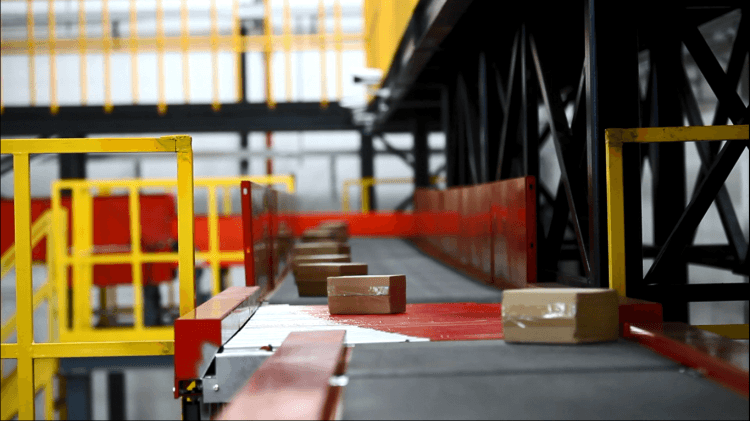
JD.com’s automated sorting center in Kunshan / Photo credit: JD.com
The new service comes in the form of a dedicated app, dubbed Jingxi, as well as a mini app that resides in WeChat. Additionally, Jingxi users will be able to access the service through WeChat’s Discover tab around the beginning of October. WeChat is believed to be instrumental in helping Pinduoduo in its growth during its early days.
The move also marks the Chinese ecommerce heavyweight’s most recent effort to expand its presence into China’s lower-tier cities and even rural areas to seek additional growth, as online shopping market growth has plateaued in the Middle Kingdom’s higher-tier cities and towns.
Jingxi is an upgrade from its predecessor named JD.com Pinguo, which mostly targets Chinese female consumers and small-city shoppers with ultra low-priced items.
Jingxi took many leaves from Pinduoduo’s book. It also offers flash sale deals and items at a bargain price. Shoppers could enjoy steep discounts either when they share an item with their friends or by simply joining an ongoing group-buying deal on the app.
However, what could help set Jingxi apart is its factory-to-consumer model, which was adopted in a bid to provide affordable yet quality items.
Pinduoduo’s rampant and near miracle growth has already sent chills to the Chinese ecommerce duo Alibaba and JD.com, which are under pressure from a slowing Chinese economy and a saturated ecommerce market in the country’s cosmopolitan cities.
Both Alibaba and JD.com have now launched their own initiatives through Juhuasuan and Jingxi, respectively, to reach the untapped consumers in China’s hinterlands.
Earlier this month, Alibaba held a Super Bargain Day sale, which mainly featured low-priced items and then generated a gross merchandise volume of roughly US$8.3 billion within two days.
JD.com also saw better growth from lower-tier cities compared to higher ones. Now about half of its users come from lower-tier Chinese cities, according to stats based on its customers’ addresses.
At the same time, there is a startling contrast when Pinduoduo started its efforts to lure urban consumers by selling high-end products such as the new iPhone 11, among other things, that its typical customers from the hinterlands won’t be able to afford.
This report was first published on KrAsia.
Editing by Charmaine de Lazo





Stay updated on the go with our mobile app.
Get latest insights with smoother, more personalized experience through TIA mobile app.