- Insights This article was written by a TIA community member. Insights pieces undergo the same rigorous editorial process that newsroom-produced articles have.
 Anthony Joh · · 5 min read
How this founder created a product that solves women’s toilet problems in India
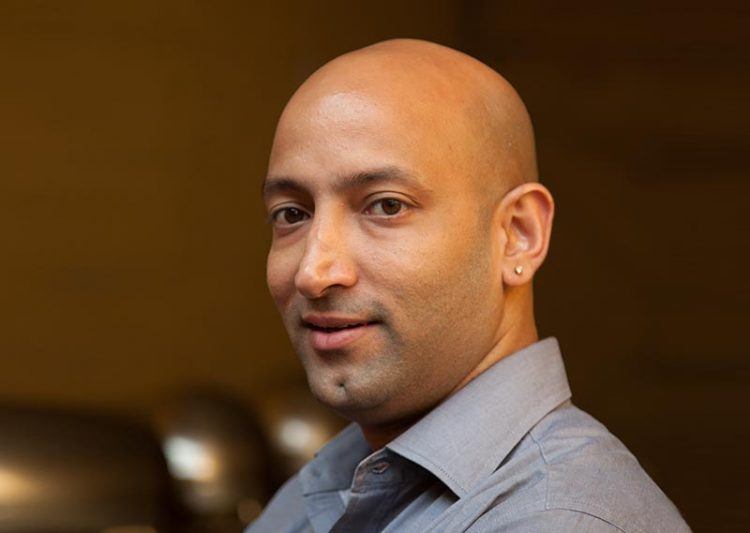
A photo of Deep Bajaj.
This article is part of Tech in Asia’s partnership with Speak Up Asia where we publish the revised transcripts from the show’s podcast interviews with Asian entrepreneurs. This is heavily revised from the original transcripts. For the full interview, go here.
Deep Bajaj is the founder of PeeBuddy, a startup that revolutionizes the way women use the washroom. It is essentially a cardboard funnel that women can use to pee standing up.
See: PeeBuddy solves an all-too-common problem for Indian women
That sounds kind of funny but take note of this: Did you know that in New Delhi there are 3,000 toilets for men but only 300 for women? It is crazy. Anywhere in the world, the line for women’s toilets can be 10 times longer than men’s. And most of the 300 toilets in New Delhi are not really the kind you would want to use.
This actually causes a lot of problems for women. For one, using an unsanitary toilet may cause health problems. And not everyone can hover over the seat, especially if you’re elderly, pregnant, or physically challenged.
I spoke with Bajaj to learn more about his product.
How did you get the idea?
We were on a road trip—four couples traveling together. And this was Delhi. All of us men were happy drinking beer, but the women weren’t drinking anything. The logic was that if they drank something, they would have to go to the restroom. And unfortunately, the toilets we found were generally not clean.
The men were joking that we are so blessed that we can stand and pee anywhere (not that we are proud of it but it certainly is a privilege), and how girls can do whatever but will never be able to stand and pee.
And that’s when a friend’s wife said that she had once seen somebody in Europe use a makeshift plastic bottle, using a tray, to stand and pee. And I think that somehow stayed with me. I was anyway planning to do something different.
I started doing research, came up with a few shapes, experimented, applied for a design protection, and got it in 2015.
But while this whole process was going on, we found out that we were not the only Einsteins who’ve thought of it. There were other people who’ve given it a shot. Some of them have done it with plastic devices. But for India, I thought I would do a disposable one. So, PeeBuddy became India’s first female urination device, and now we are looking at the world to sell it to.
What was about the idea that caught your attention?
I think the fact that I could relate to the product.
I had seen my wife struggle during her pregnancy. The issue was physical inability to stand and sit.
What was the initial response toward the product?
What was the design process like?





Stay updated on the go with our mobile app.
Get latest insights with smoother, more personalized experience through TIA mobile app.










📅 Upcoming Events
22 October 2026
Payoneer x CSPN Summit 2026