 Michael Tegos · · 6 min read
Japan and India have a lot to gain from working together, investors say
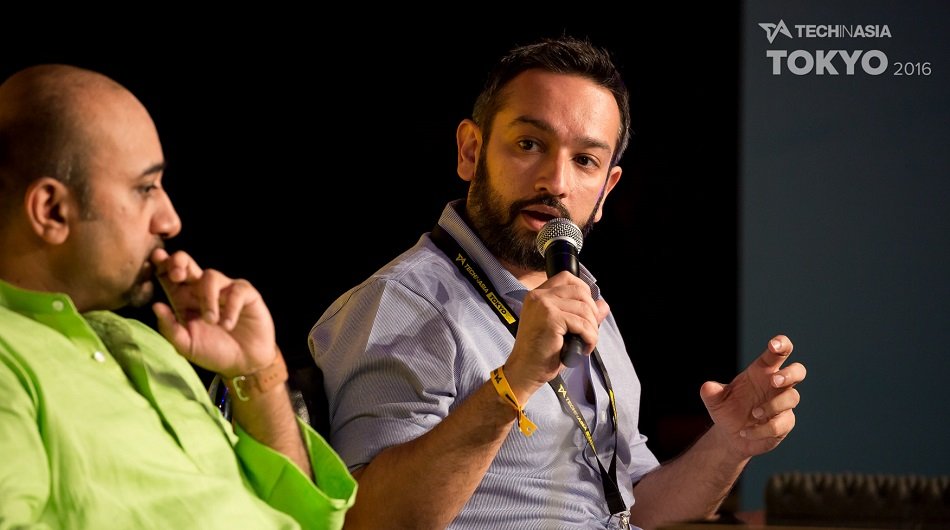
Pankaj Jain (l), partner at 500 Startups, and Sid Talwar, partner at Lightbox, on stage at Tech in Asia Tokyo 2016. Photo credit: Tech in Asia / Michael Holmes.
It was a tale of two countries during the session appropriately titled “India Tech in Asia Tokyo 2016. Pankaj Jain, partner at 500 Startups, and Sid Talwar, partner at Mumbai-based VC Lightbox, talked about the relationship the two markets have in terms of entrepreneurship and investment.
The ties between the two countries actually stretch way back – Pankaj reminded the audience there’s a long history of trade and cultural exchange between them.
Naturally, India’s VCs want that historical throughline to extend to the technology space as well. 500 Startups would love for more Japanese startups to take a look at the Indian market.
The SoftBank effect
Japanese investment has been flowing into India for the past few years, courtesy of large corporations like SoftBank. The uptick in investment was noticed around middle to end of 2014, Pankaj said, but Sid thought the signs were there earlier, around 2011.
“We were series A and B investors in InMobi, a large ad network, and SoftBank came and put in a large sum of money into the company, which was unheard of in our industry at that time,” Sid recalled.
That tipped off the market that eyes from the East were looking in its direction, even if it was just SoftBank that showed interest. “And they didn’t make their next investment for a few years,” Sid added.
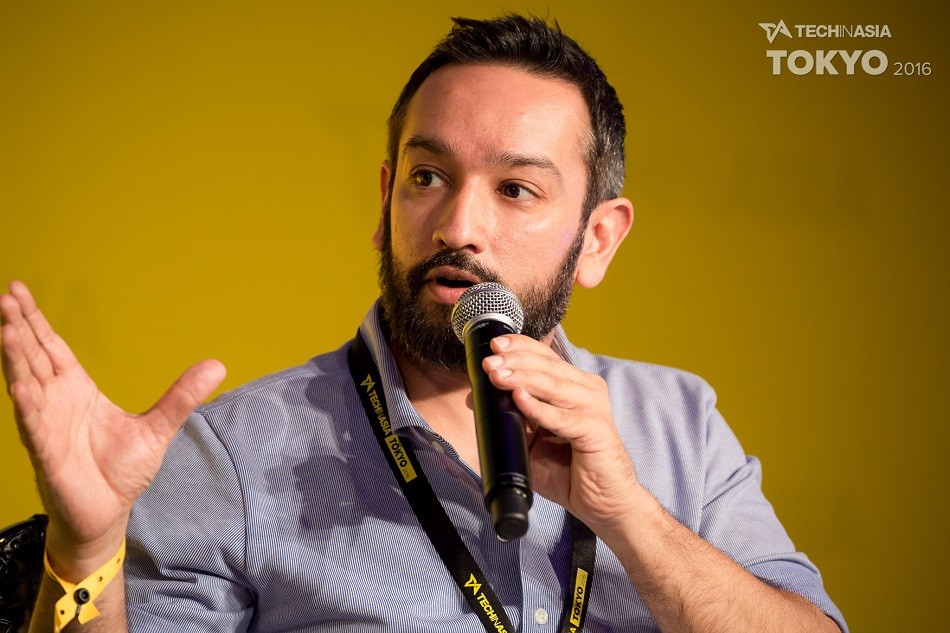
Lightbox partner Sid Talwar. Photo credit: Tech in Asia / Michael Holmes.
Things are different now, of course. Not only has there been more investment coming into India, a lot of it has been coming from Japan. Fashion rental startup Flyrobe’s US$5.3 million series A was Gree Ventures’ first investment in an Indian company.
“These are really young companies getting tremendous amount of attention from Japanese investors and it’s really exciting to see that happen and figure out how to get mid-level investments,” Sid pointed out.
Both investors credited SoftBank’s CEO Masayoshi Son with creating new inroads of collaboration between the Japanese and Indian ecosystems after his meeting with prime minister Narendra Modi, during which he pointed out the impact of Alibaba on the Chinese economy.
“The opportunities for growth are what India offers Japan, specifically in technology areas like ecommerce, hotel booking, travel, AI, robotics,” Pankaj said. “Manufacturing will probably scale at some point because of a push on manufacturing capabilities in India. Japan can take advantage of those opportunities better than other countries can.”
Collaboration spaces
Fintech in particular is an area where there’ll be deeper collaboration between the two countries. As largely cash-based markets, both Japan and India can explore spaces like payments and ecommerce. Challenges like getting over strict regulations in both markets highlight the benefits of working together.
Cultural exchange
Different strokes
Better together





Stay updated on the go with our mobile app.
Get latest insights with smoother, more personalized experience through TIA mobile app.








📅 Upcoming Events
22 October 2026
Payoneer x CSPN Summit 2026