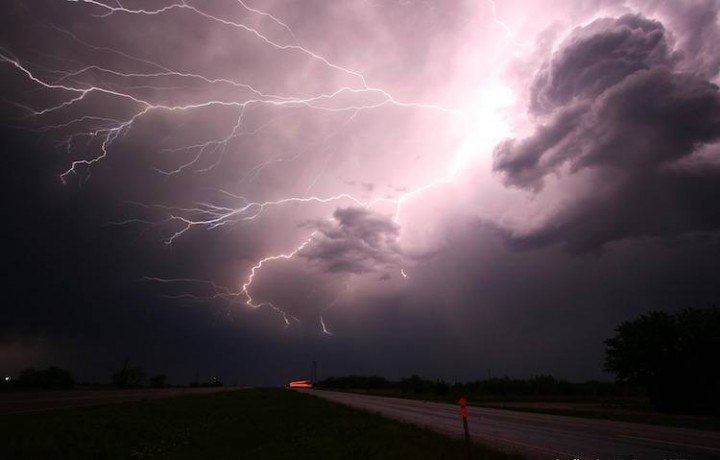
Photo credit: Pixabay.
The top salesmen in Japan tend to become legends in their own corporate armies. The best of the best even get an executive promotion to cap their careers. Hidetoyo Nakajima was on that path at electronics manufacturer Keyence, Inc.. But he decided to break from the standard trajectory and instead apply his sales knowledge as a consultant, and then as the small business owner of Gugenka in Osaka. Nakajima has been bootstrapping the company domestically for six years, but his latest sales pitch might be the one that takes him overseas and into meetings with investors. Nakajima, in a partnership with manufacturer Otowa Denki, is selling lightning sensors.
The odds of being struck by lightning are 300,000 to one. That probability is pretty good, but like the BBC says, “there are lots of people on the planet.”
The unpredictability of lightning is what gives Nakajima and his company their opening. Organizations that need extra peace of mind – schools, tourism bureaus, outdoor event producers – have all used the lightning sensors that Nakajima promotes. The sensors are different from garden variety sensors that hikers might carry in their pockets.
Nakajima’s sensors can be set up in 15 minutes but, as seen below, are sizeable pieces of equipment. With a radial range of 10 kilometers, they will send out an email alert to up to 100 people if chance of a lightning strike is high. The number is capped so, when there is a need to evacuate a large group of people, only organizers will get the notification so as to avoid a panic.

The device is sold as a rental – about US$570 per month, with a discount for schools to about US$300. The price tag might seem steep but in a safety-conscious country like Japan, there are buyers. Nakajima has already secured deals with Osaka area public facilities, tourist spots like Takeda Castle, and Osaka’s premier music festival.
Nakajima admits that accelerating growth overseas will require outside funding. Though he has built his business from the zero, and has shown a knack for getting strong contracts in his home region, the lightning sensor business could be limited to particularly cautious clients. It’s true growth potential seems to depend on how many businesses feel that common sense and their own evacuation procedures are insufficient safeguards.
In that respect, Nakajima benefits from a culture of protectiveness. Lightning strikes anywhere, at anytime, but his real test overseas will be convincing people they want – and need – more information to keep themselves safe.
Editing by Leighton Cosseboom
(And yes, we’re serious about ethics and transparency. More information here.)





Stay updated on the go with our mobile app.
Get latest insights with smoother, more personalized experience through TIA mobile app.










📅 Upcoming Events
22 October 2026
Payoneer x CSPN Summit 2026