Eva Xiao · · 7 min read
Steel, petrochemicals, and – blockchain? Asia’s old money billionaires turn to startups.

Photo credit: 401(K) 2012.
A few decades ago, Asia’s billionaires made their fortunes through industries like petrochemicals, steel, and tobacco. Now some of those tycoons are eyeing startups for investment opportunities.
Asia-Pacific now has the most billionaires of any region, surpassing the US in 2015 thanks to the swelling concentration of wealth in India and China. Some of these wealthy individuals are beneficiaries of empires built by their parents, but quite a few are billionaires in their own right. For example, Zhou Qunfei, whose successful smartphone screen business has earned her the moniker “Touchscreen Queen,” began as a poor factory worker in Shenzhen. Today, she’s one of the wealthiest women in the world.
As startups become more lucrative, Asia’s billionaires are starting to pay attention – and throw in a fair bit of cash of their own. Here are ten billionaires in Asia that are investing in startups:
Li Ka-Shing
Valued at US$31.8 billion by Forbes, Li Ka-Shing is one of the wealthiest people in Asia.
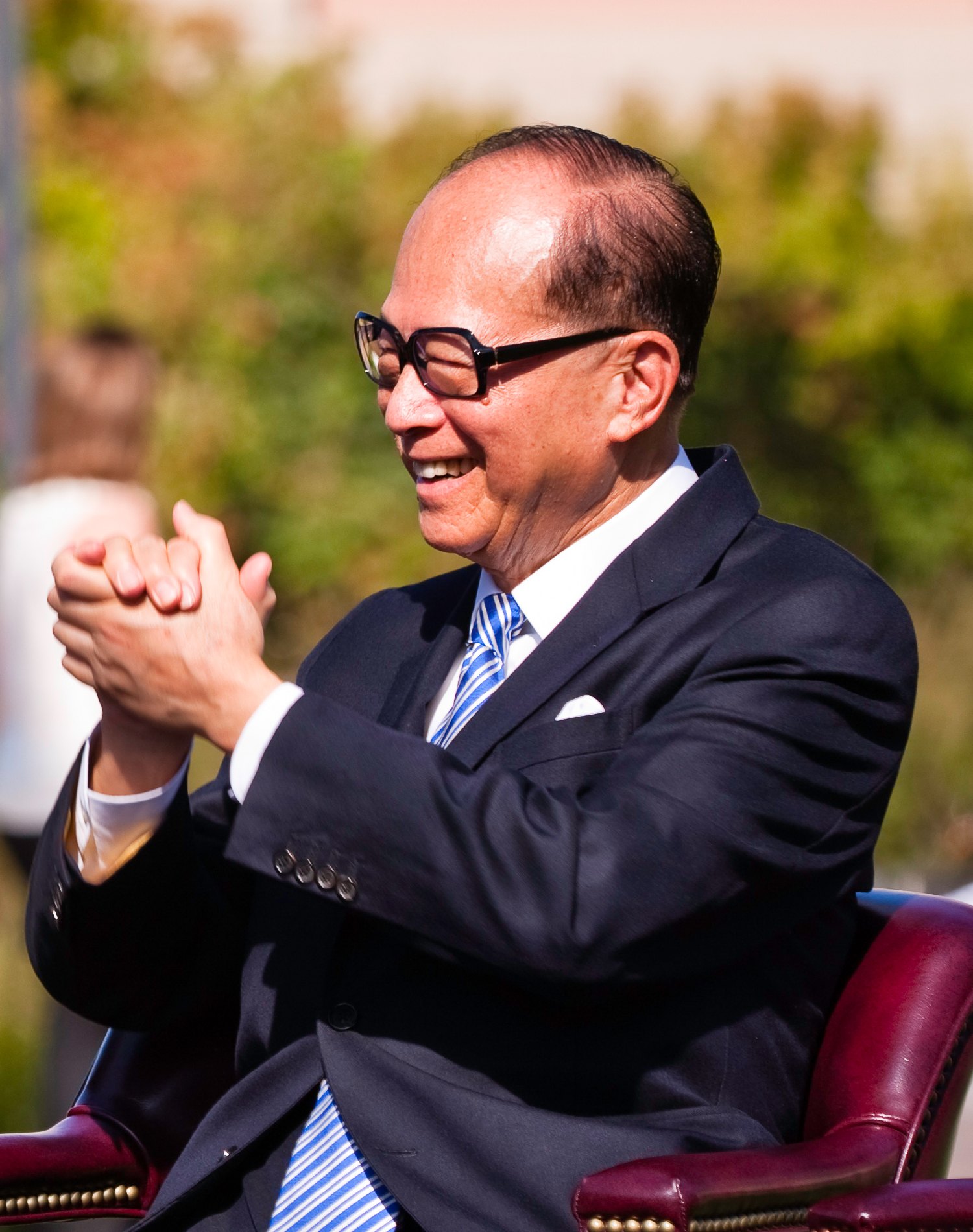
Photo Credit: EdTech Stanford University School of Medicine.
His story is a classic tale of rags-to-riches. At 16, Li dropped out of college and started working at a factory after his father died of tuberculosis. When he was 22, he started his first factory, Cheung Kong Industries, which manufactured plastic flowers. That was the beginning of the Hong Kong billionaire’s fortune, which is now distributed across real estate, utilities, retail, and other sectors.
In 2007, Li invested US$60 million in Facebook, one of his earliest investments in a tech startup. Since then, the 88-year old has invested in more than 25 startups through Horizons Ventures, a venture capital fund for technology startups. The fund is run by Li’s companion, Solina Chau, who also heads the Li Ka-Shing Foundation.
To date, Horizons Ventures has invested in over 75 startups, including Deep Mind, Waze, Spotify, Slack, and Siri.
Lu Guanqiu
Once called “China’s Elon Musk” for buying out an American hybrid-electric car company, Lu Guanqiu is the founder of Wanxiang Group, one of China’s largest automotive parts manufacturers. The conglomerate also has business in other traditional industries like real estate, finance, and electric power.
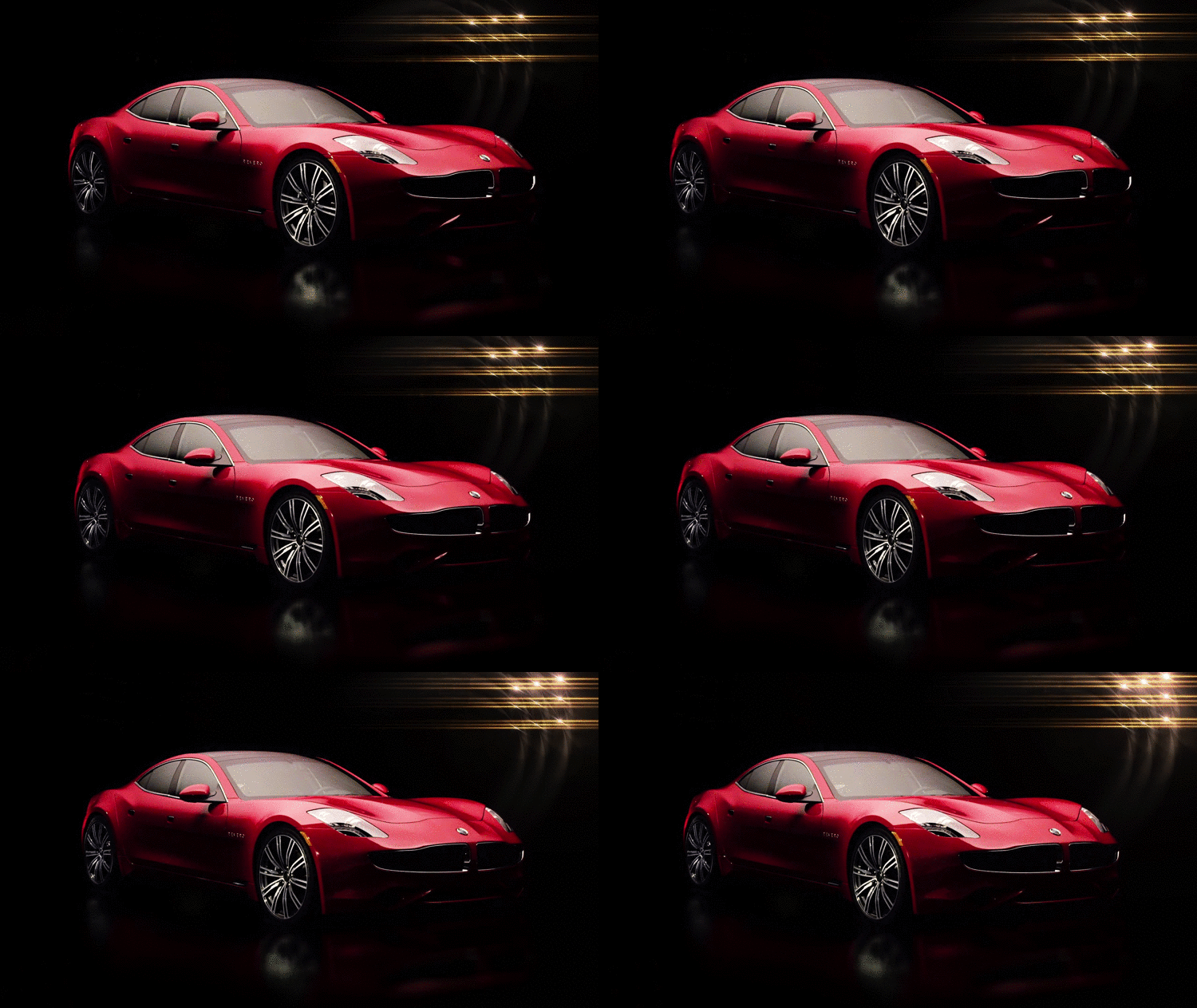
Lu Guanqiu acquired failed US auto startup Fisker in early 2014. Now it’s renamed Karma. This first model, the Karma Revero, will hit North America in September. GIF by Tech in Asia; from promo video by Karma.
Recently, however, the 71-year-old and his company have started investing in blockchain, the technology that first emerged as the database and verification system behind Bitcoin. In 2015, Wanxiang created a non-profit called Blockchain Labs dedicated to the research and application of blockchain technology. Shortly after, Wanxiang backed a US$50 million venture capital fund called Fenbushi Capital for blockchain applications as the sole limited partner.
Guo Guangchang
Adi Godrej
Kumar Birla
Sajjan Jindal
Rakesh Jhunjhunwala
Martin Hartono
Mochtar Riady
Eka Tjipta Widjaja





Stay updated on the go with our mobile app.
Get latest insights with smoother, more personalized experience through TIA mobile app.