Suparna Goswami Bhattacharya · · 5 min read
Is there life after startups? Here’s what these founders did next
The entrepreneur overcoming all hurdles to emerge as an icon for millions – that’s the typical positive story startup media is abuzz with. Such narratives are often considered the only way to attain startup goals. In the clamor, we can forget that each startup journey is unique: before tasting success, even successful entrepreneurs have faced failure.
The startup narrative can be one-sided, observes Sharad Sharma, co-founder of Indian tech industry think-tank iSPIRT. “So many startups fail, but there’s no focus on those entrepreneurs. Then there are small companies which do not enjoy high valuation[…] Their learnings can make a big impact in the startup ecosystem.”
Rude awakening
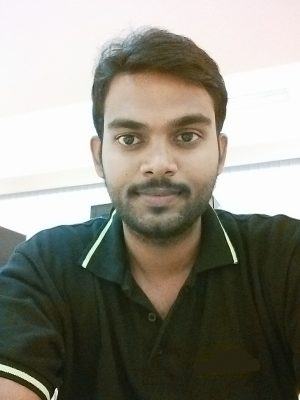
Zippon founder Shakir Basha. Photo credit: Shakir Basha.
True. Not all entrepreneurs have to be the next Sachin Bansal or Mark Zuckerberg. And this should be fine, as long as they are fulfilling their dreams. Shakir Basha couldn’t agree more. He’s the founder of Zippon, a packing and moving service, which eventually had to shut shop. “I believe in setting up a profitable business on a small scale and gradually taking it to higher levels, especially when you lack business skills and you are a first-timer. But many in today’s generation want to aim for the sky, forget to keep their roots intact and hence fail at what they do. I have personally faced that,” he says.
Little wonder then that Aishwarya Raman, who started auto-rickshaw app AutoRaja, found peace working as a zonal head for Ola Auto. “My main motive of starting AutoRaja was to make the auto-rickshaw drivers a part of the organized sector. Here at Ola Auto, I’m working with the same motive – of course, on a much bigger scale,” says Aishwarya. In September 2015, AutoRaja shut down mainly because of lack of funds. After lying low for a few months, Aishwarya decided to give her dream another shot.

Aishwarya Raman founded rickshaw aggregator AutoRaja and then found peace working at Ola. Photo credit: Aishwarya Raman.
This time, the approach was different. “I didn’t want to start another company immediately. Though my parents encouraged me not to give up on my dream, I thought I should gain experience by working in a similar industry but with a different setup.” She approached Ola and they were more than happy to hire her, given her relevant startup experience.
It’s common to battle a funding crunch after your startup closes: that’s when working a regular job provides a much-required cushion. Case in point: Akash Sharma, who founded Delivree King, a tech-enabled logistic startup, and Fitfood, a healthy food delivery company. He now works for MobieFit, a fitness app. “To say that I am disappointed as my previous ventures did not work will be an understatement. But I’m happy to be part of the food and fitness industry, which I’ve always wanted. What life has to offer in terms of opportunities is not known yet, but for now I am happy working and gaining experience,” says Akash.
Not all entrepreneurs have to be the next Sachin Bansal or Mark Zuckerberg.
It’s all about timing
2015 saw many startups shutting shop. For Akash, Delivree King and Fitfood were victims of market corrections. Delivree King specialized in four-hour delivery and guaranteed same- and next-day delivery, besides offering promotional services for its clients. It had to be shut down for want of funds. For Fitfood, the timing, unfortunately, was not right.
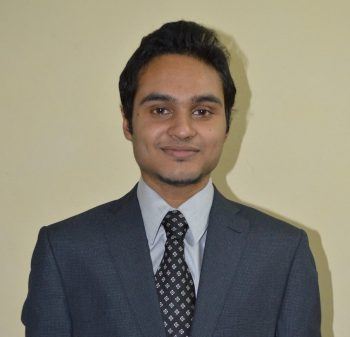
Akash Sharma founded FitFood and Delivree King. Photo credit: Akash Sharma.
“I started Fitfood when food-tech companies were growing. However, by the time it reached a stage where we needed funds, none of the venture capitalists we approached were ready to even look at the company. The timing was bad,” rues Akash.
Knocking at the wrong door
Pressure-cooker scene?





Stay updated on the go with our mobile app.
Get latest insights with smoother, more personalized experience through TIA mobile app.