Bernard Leong · · 4 min read
Interview with Leonard Lin, Tyler Projects and BattleStations 2 Years Later
 Tyler Projects makes half a million a year from BattleStations alone, and now new CEO, Leonard Lin’s “first order of business is to cut revenue”. “What?”, you say. Read on.
Two years ago, we interviewed Leonard Lin, co-founder of Tyler Projects about his start-up. Over the last two years, SGE has been busy featuring the most interesting products from his company, particularly BattleStations . Two years later, Tyler is making big steps (with the IDA award and recent mention in ST:Digital) and have recently moved into their new office in Toa Payoh. So, we thought it is now time to catch with Leonard and ask him how things have been going for BattleStations from Facebook to Friendster and (now MySpace).
Hi Leonard, it has been a year since your last interview on Tyler Projects with SGE. During that period of time, you launched BattleStations, which is a now prominent FB game featured in Inside Facebook, so what has happened since you launch it back then?
A few things have happened since then: Our user base has tripled and we started selling virtual goods which has brought in a steady revenue stream which has really helped the company to expand. The team has more than double since our last interview with the new hires all coming in within the last 6 months.
What are the demographics of the users in BattleStations?
Here are some official statistics:
- Age: 30% – 12 – 17 years, 52% – 18- 34 years
- Sex: 54% Male (this is from Quantcast, although our in game numbers seem to suggest a much higher % of males, closer to 90%.) Players who didn’t list their sex in FB are automatically assigned a male character. We didn’t log down how many users didn’t have their sex specified in their FB profile.
- Location: 51.8% of players from Asia (Top 5 countries (largest to smallest): Hong Kong 17.5%, Singapore 12.2%, Malaysia 6.6%, Indonesia 6%, Australia 3.4%), 21.0% from US and 7.3% Canada
You can viewed the detailed data here.
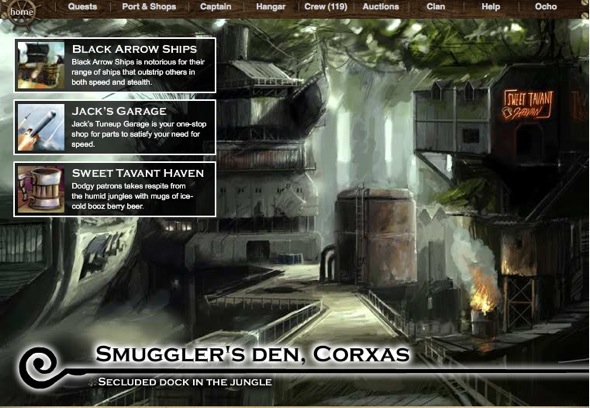
What are the current monetization strategies with FB apps you have come up with since the last Facebook Developer Garage?
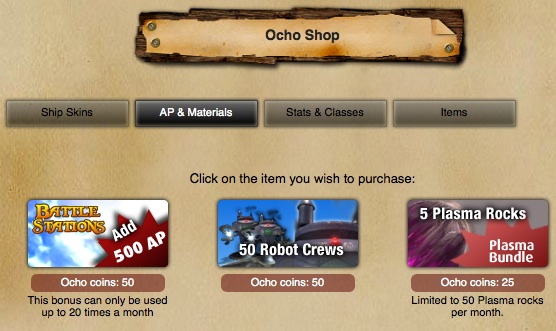
We’re focusing on increasing revenues through virtual goods sales right now but more specifically we’re trying to move away from our current situation where we have a small proportion of our players contributing to most of revenue. We’re working on encouraging more casual users to support Battle Stations by buying just $5 of game credit. Cheaper game items, smaller minimum purchases of game credit, and more integrated selling of virtual goods with the game play are some of the measures we will be taking to try and boost our buyer rate (% of users paying).
In the short run this will probably result in lower revenue from our “high-net worth” players as we try to balance the rewards for paying users but in the long run it will lower risk since we’ll have a larger paying customer base.
One of the major obstacles to building a virtual goods model in Social networks is the user mentality that if it’s on a social network it should be free. One of the reasons our players have supported us so far is that they know we’re investing the money to make the game even better and provide high quality customer service.
Given that Facebook is slowly rejecting apps, what are the challenges that FB developers like yourself particularly in the game industry face?
I wasn’t aware Facebook was rejecting apps but I think there’s been a large number of new entrants to the social gaming scene and a lot of copycats. So the challenge is for us to keep innovating and come up with better quality games than the imitators so we stay ahead of the curve.





Stay updated on the go with our mobile app.
Get latest insights with smoother, more personalized experience through TIA mobile app.