
Photo credit: wutwhan / 123RF.
2016 was the year fintech became legit in Asia. Startups and entrepreneurs have fought in the financial technology trenches long before 2016. But this was the year everyone from big banks to governments started paying attention.
Asia surpassed the US and Europe on fintech investment in Q3 2016.
Venture capital investment may have dropped year-on-year in Asia both in terms of value and number of deals, according to KPMG and CB Insights’ The Pulse of Fintech report for Q3 2016. But even so, Asia ended up surpassing the US and Europe on that front, with investment in the year’s third quarter reaching US$1.2 billion versus US$900 million in the US and US$200 million in Europe.
The other two territories recorded a higher number of deals, which points to a higher average value for deals in Asia. It’s an interesting reversal from the overall funding situation in Asia in 2016, where there were more deals of smaller value. Asia was also the only territory to mark a quarter-on-quarter increase, up from US$800 million in Q2 2016.
KPMG’s impression is that market uncertainties caused by world events including Brexit and the controversial US elections dampened investors’ interest in fintech – expecting, however, things to stabilize by the time Q4 numbers are in.
Here are some key trends that drove fintech growth in Asia this year:
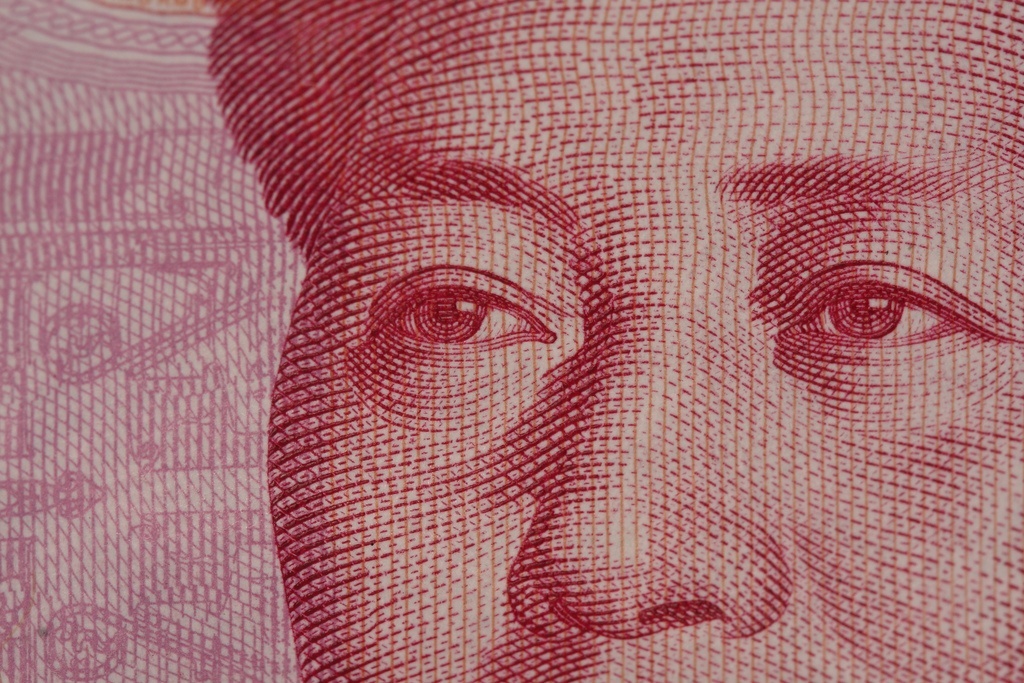
Photo credit: David Dennis.
China led fintech investment despite P2P lending brouhaha
There’s no hiding from China’s massive gravitational field that pulled the vast majority of investment toward its companies this year. In fact, Chinese companies comprised the top 10 fintech investments in our database for 2016.
And they don’t come more massive than Ant Financial’s US$4.5 billion series B round back in April. Alibaba’s payment subsidiary scored the largest funding round ever recorded for a consumer tech company.
Other notable investments included Ant Financial rival JD Finance’s US$1 billion series A round and payment-by-installment services Qufenqi and Fenqile, which raised a series F round worth US$448 million and a series D round worth US$235 million, respectively.
But nothing rocked China’s fintech world like the shipwreck of its peer-to-peer lending industry, triggered by the revelation that P2P startup Ezubao was engaged in fraud – US$7.6 billion was cheated out of 900,000 investors’ pockets, according to police.
This resulted in the Chinese government taking steps to regulate the market and sent public P2P lending company Yirendai’s stock price reeling.
Singapore government opened the door to fintech, inspiring other countries to follow
Payments and services for the unbanked continued blossoming in Southeast Asia
The fintech opportunities for 2017





Stay updated on the go with our mobile app.
Get latest insights with smoother, more personalized experience through TIA mobile app.