- Premium Content It takes our newsroom weeks - if not months - to investigate and produce stories for our premium content. You can’t find them anywhere else.
 Scott Shuey · · 5 min read
Inflation and rising interest rates – not US default – will drive Asia to adopt crypto
A funny thing happened on the way to the US debt default last week.
Crypto didn’t become a safe haven for investors looking to avoid a financial collapse.
In fact, in the weeks leading up to the compromise between Democrats and Republicans over the ability of the US to pay its bills, crypto – Bitcoin, in particular – did … nothing. The token’s price remained relatively flat, ranging between US$26,000 and US$27,500.
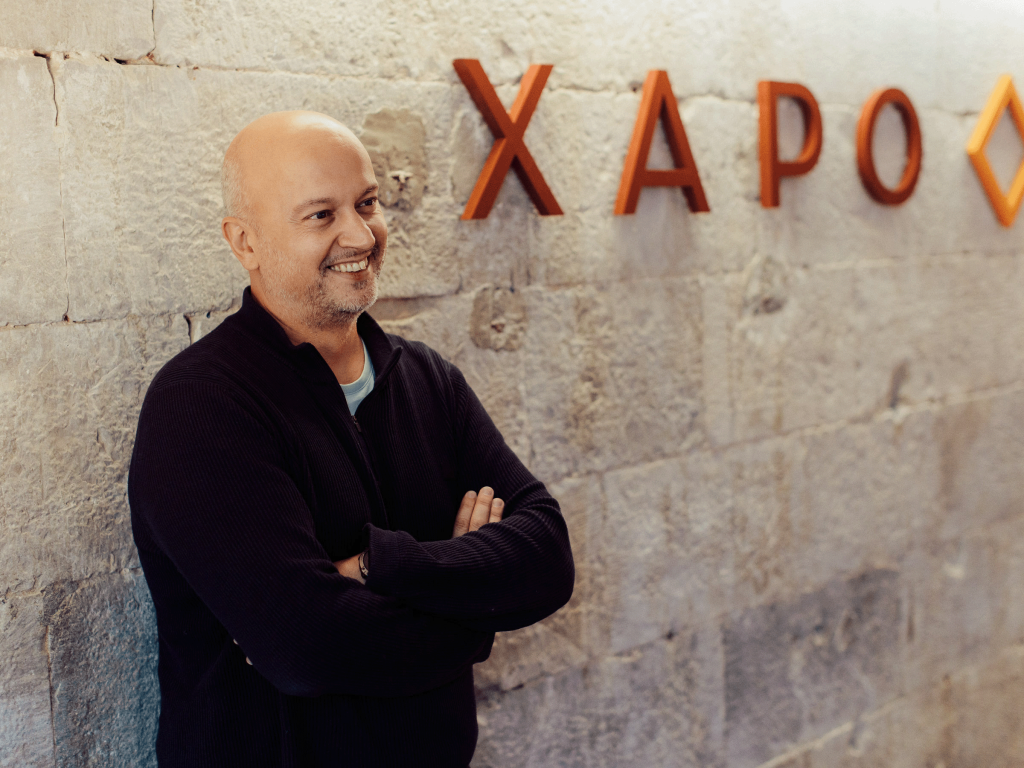
Seamus Rocca, CEO of Xapo Bank / Photo credit: Xapo Bank
It reached almost US$28,000 after a deal was announced on May 27, but has since returned to where it started. By May 31, Bitcoin was floating above US$26,000.
That went against the narrative that many online were pushing: A US default would prompt a crypto rush. But most of them did note this would only happen after the dust had settled, while some even added that the threat of default would bring in new adopters.
Not everyone, however, was surprised that a crypto rush didn’t happen. Seamus Rocca, chief executive officer of Xapo Bank and former head of liquidity and funding risk at Standard Chartered, said Bitcoin is still not a reliable alternative, even in the face of a financial crisis. Xapo Bank is a Gibraltar-based crypto bank that deals primarily in US dollar and Bitcoin.
As he puts it, “You’re potentially losing your savings – are you going to put them into an asset class that has been known to be highly volatile?”
Rocca says his clients – retail investors who are already invested in Bitcoin and see it as a good way to hold value – weren’t worried about a possible US debt default.
To be fair, the likelihood of a default on US debt was seen as incredibly unlikely, he adds. This was also the fourth debt-ceiling “crisis” since 1995, all of which have been viewed more as political grandstanding than an actual financial crisis.
That said, a default would have been a great opportunity for those clients to say, “Hey, I told you so.”
But new clients didn’t show up either, Rocca tells Tech in Asia. Not only do investors still think Bitcoin is too volatile, but those who have been in the market for a few years are also wary of getting back in.
Burned by Bitcoin
“A lot of people got burned when it went from 65,000 down,” he says. “The people who bought early are in for life. The people who bought it two years ago and got burned probably are not going to buy anymore.” Bitcoin peaked at US$67,617 in November 2021.
Rocca also noted that the US banking crisis, which shut down most of the crypto-friendly banks including Silicon Valley Bank, Silvergate, and Signature, have made it harder to get Bitcoin.
Inflation touched triple digits in Argentina
Asia, the epicenter of crypto
Stay ahead in Asia’s tech landscape
This is premium content. Subscribe to read the full story.
Xapo Bank CEO Seamus Rocca tells Tech in Asia that the US debt crisis was never going to drive crypto adoption. But US-spawned hyperinflation might.
We know this is not ideal. ⌛ Sign up in 20 seconds. Cancel anytime.
Our subscriber community includes professionals from these companies:





Stay updated on the go with our mobile app.
Get latest insights with smoother, more personalized experience through TIA mobile app.