- Premium Content It takes our newsroom weeks - if not months - to investigate and produce stories for our premium content. You can’t find them anywhere else.
 Joe Gan · · 5 min read
Indonesia’s e-logistics startups deliver profit and growth amid chaos
Covid-19 has ripped holes into Indonesia’s logistics sector, an underperformer in Asia due to problems with legacy infrastructure and practices like handling transactions via telephone and paper tracking.
Image credit: 123rf.com
The pandemic has resulted in thousands of wasted truck kilometers and exorbitant shipping costs, more than double compared to Indonesia’s peers in the Organisation for Economic Co-operation and Development: Brazil, China, India, and South Africa.
While 2020’s social mobility restrictions have trampled on Indonesia’s retail sector, the rapid growth of ecommerce is compelling logistics companies to get more efficient and reduce costs.
A new wave of e-logistics startups promises to do just that. Not to be confused with ecommerce logistics, e-logistics is all about digitizing or automating logistics, akin to what ecommerce did for commerce.
E-logistics companies can orchestrate product warehousing and transportation – 90% of which is handled by trucks – to optimize scheduling and space usage. In addition, these startups aren’t just growing rapidly atop a fertile ecommerce soil. Their asset-light business model means that some of them have already become profitable.
Already in the black
Waresix, Ritase, Janio, and Kargo are the top players in Indonesia’s burgeoning e-logistics scene.
Waresix, which connects shippers with warehouses and transporters across the country, became profitable before the pandemic and remains so even now. The Jakarta-based operator also recently raised money, valuing it at US$225 million, according to VentureCap Insights.
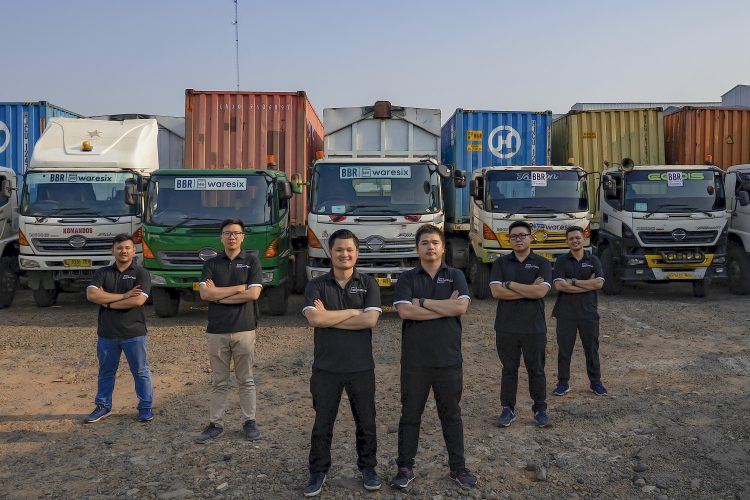
Photo credit: Waresix
“We as a team always believed that we have to scale the business to new heights but in the right manner and maintain the right balance between scale and the balance sheet,” CEO Andree Susanto tells Tech in Asia.
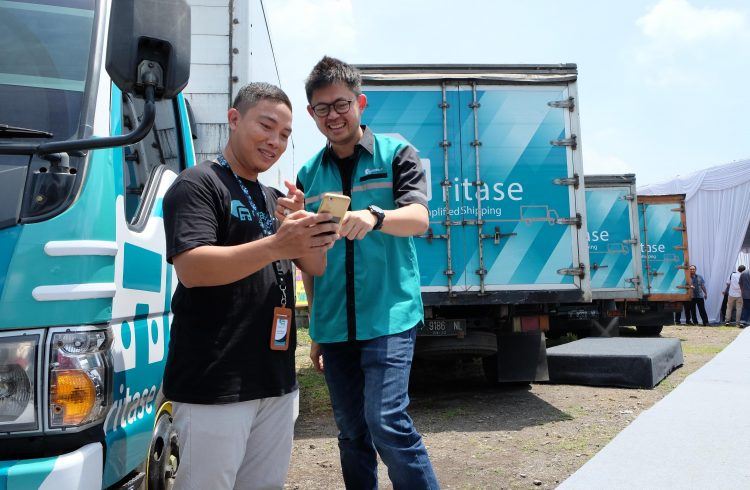
Ritase credits its software-as-a-service product and transport sourcing service for contributing double-digit margins that more than compensate for lower margins from its other services.
CEO Iman Kusnadi explains that Ritase helps its customers “fully outsource their needs, from vendor sourcing and manpower to invoice financing.” He claims that Ritase clients could reduce their logistics expenses by up to 15%.
Penetrating an opaque industry
Stay ahead in Asia’s tech landscape
This is premium content. Subscribe to read the full story.
Indonesia’s fragmented logistics scene is like a jigsaw puzzle that needs piecing together. Can a new wave of promising startups make this happen?
We know this is not ideal. ⌛ Sign up in 20 seconds. Cancel anytime.
Our subscriber community includes professionals from these companies:





Stay updated on the go with our mobile app.
Get latest insights with smoother, more personalized experience through TIA mobile app.










📅 Upcoming Events
22 October 2026
Payoneer x CSPN Summit 2026