Iris Deng · · 3 min read
In China, a gadget recycling startup sees huge potential in 5G adoption
Li Xiaoya has made a business out of the throw-away society with one of China’s biggest online trading platforms for secondhand mobile phones.
Called Huishoubao, which means recycling treasures in Chinese, the Shenzhen-based startup is now betting that the transition from 4G to the superfast 5G telecommunication networks would bring about a new wave of gadget upgrades as consumers go for the shiny new gear.
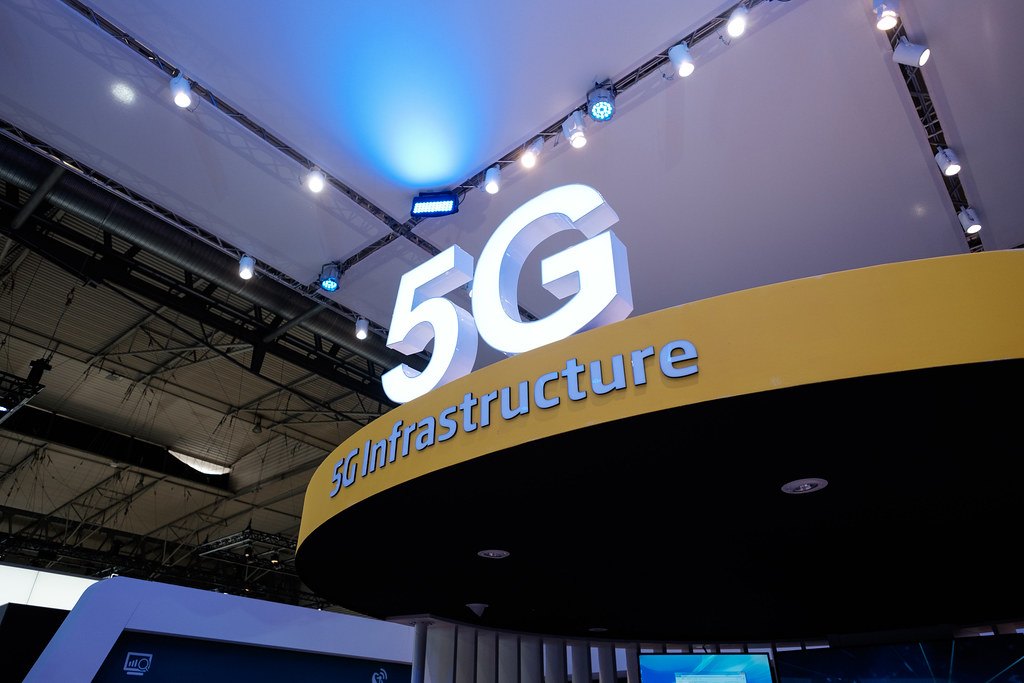
Photo credit: Kārlis Dambrāns
“The arrival of 5G will push for further upgrade in hardware, and make room for innovations in new applications,” Li, in her 30s and a former product manager at Tencent Holdings before she started Huishoubao, said in an interview in Hong Kong earlier this month.
“When big players in the smartphone industry are gearing up for 5G, it naturally becomes a growth engine for supplementary industries like ours.”
Huishoubao raised a series C round of funding last September from Alibaba, which owns the Post. The startup did not disclose the funding size or its valuation.
The fortunes of the secondhand trading market are tied closely to firsthand sales. And China’s smartphone makers are undergoing a sluggish phase as consumers postpone their upgrades to wait for new 5G-enabled phones to hit the market. Smartphone shipments for China fell 14% to about 396 million units last year, according to Canalys, an industry research company.
Major Android smartphone vendors, including Huawei and Samsung, have all tested and some have even released 5G-enabled devices. Shipments of 5G smartphones are expected to expand 255% by 2021, to reach almost 110 million units, according to a research note from Counterpoint in April. The researcher expects growth to be slow during the initial commercialization phase in 2019, but sees an uptick in sales once countries have the necessary 5G infrastructure in place.
Smartphone manufacturers have run into a bottleneck in recent years in terms of rolling out major innovations and improvements in performance.
The coming era of 5G echoes the opportunities back in 2014, when Li and co-founder He Fan, a serial tech entrepreneur, started the company. Back then, the two saw an opportunity in the smartphone becoming a necessity with the transition from 3G to 4G. They also saw how continuous improvements were rendering devices obsolete much faster than before.
Around 10% to 15% of the used phones Huishoubao received are of top condition and ready for reselling, and only 5% would be discarded and recycled, according to Li. The rest of the handsets would be stripped of their parts by Huishoubao’s partners to be used for repairs.
The platform has recycled millions of smartphones with the transaction value in the billions of yuan, Li said, declining to be more specific.
To make better use of the used phones that are still in a good condition, Huishoubao last year established its own site, Cola Goods, to sell secondhand handsets.
While Li described users who trade-in their smartphones as mature, more affluent users from China’s major cities, customers of the Cola Goods tend to be younger users in their early 20s in the less developed cities across China. Apple’s iPhone is the most popular brand and accounts for about half of the platform’s sales.





Stay updated on the go with our mobile app.
Get latest insights with smoother, more personalized experience through TIA mobile app.